Gwendolen Harleth
A proud, clever, beautiful girl of twenty, the spoiled eldest daughter of a widow, who marries for money when her family is ruined.
At first she wants to be admired and to do as she likes. After her marriage she wants only to escape Grandcourt without becoming wicked.
The book
Daniel Deronda
George Eliot
Who they are in the book
Spoiler-freeGwendolen is used to being admired and getting her way. She also has secret fits of dread, and feeling alone in a wide landscape can make her tremble. When her family loses its money she makes the choice that seems to save them, and it traps her. Deronda becomes her conscience.
How Gwendolen Harleth Is Portrayed
- The roulette tableIn Chapter I she is winning and then losing at Leubronn, and feels a stranger's eyes on her the whole time.
- The necklaceIn Chapter II she pawns a turquoise necklace with stones from a chain that once belonged to her father. The necklace comes back to her the same morning, wrapped in a handkerchief.
- The Whispering StonesIn Chapter XIV Lydia Glasher meets her by two tall stones and tells her about Grandcourt's children. Gwendolen promises to keep the secret.
- Klesmer's verdictIn Chapter XXIII she asks the pianist Klesmer if she could earn a living on the stage. He tells her it would mean arduous, unceasing work, with praise and bread that might hardly come at all.
- The diamondsIn Chapter XXXI, on her wedding night, she opens the case of diamonds and finds Lydia's letter inside. She screams again and again.
- The ropeIn Chapter LVI she tells Deronda how Grandcourt fell from the boat and called for the rope, and how she held it and did not throw it.
Gwendolen Harleth quotes
Was she beautiful or not beautiful? and what was the secret of form or expression which gave the dynamic quality to her glance?
I only know that I saw my wish outside me.
It is better—it shall be better with me because I have known you.
After Grandcourt drowns, Deronda tells her he is marrying Mirah and leaving England. On his wedding day she writes that she will try to be one of the best of women, and that it shall be better with her because she has known him.
If you like Daniel Deronda


If you like George Eliot
Explore authors with a similar voice, perspective, and influence.
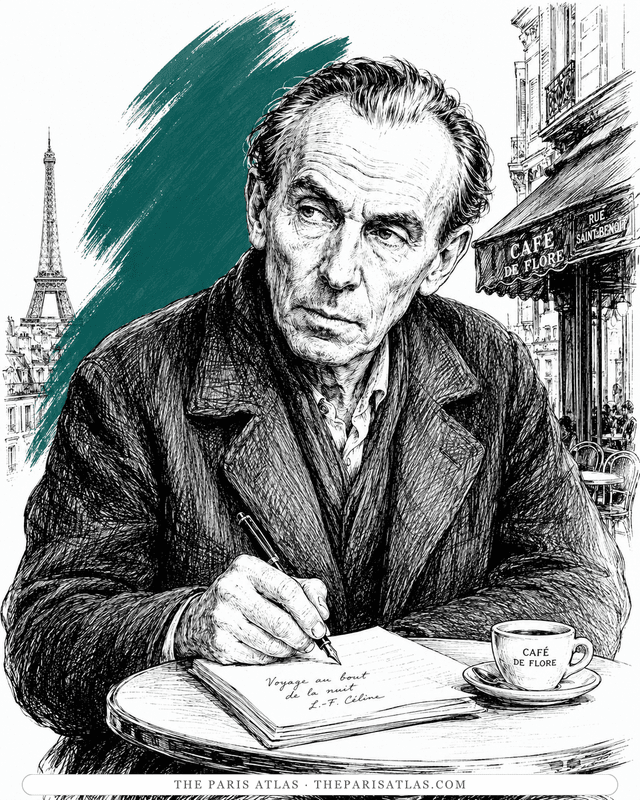
Louis-Ferdinand Céline
The doctor of the Paris slums who wrote the century's blackest, funniest novel — and changed the sound of French prose.
View author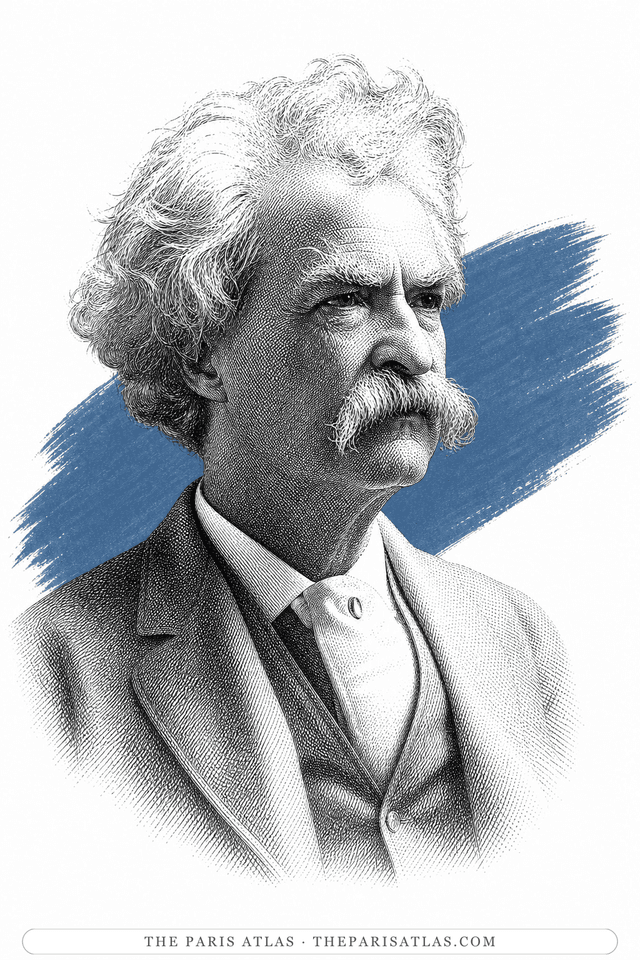
Mark Twain
The Missouri newspaperman who became America's most famous writer, and whose first book made its reputation partly out of Paris: in 1867 he arrived with a shipload of American tourists, renamed his guide Ferguson, watched the high-kicking can-can through his fingers and wrote it all down. He kept coming back — and was living in Paris in the mid-1890s, broke, while finishing the novel he considered his best, Personal Recollections of Joan of Arc.
View author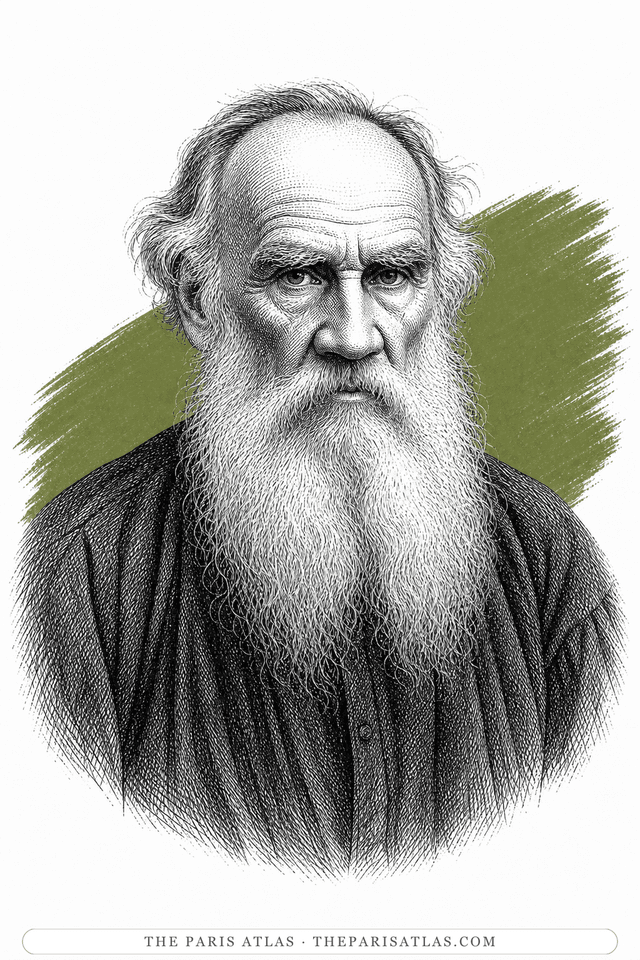
Leo Tolstoy
Russian novelist who wrote War and Peace and Anna Karenina, then renounced the life that produced them. He spent six weeks in Paris in 1857, and on one April morning went to watch a man beheaded in the street — an hour he said destroyed his belief in progress and in the state, and which he was still writing about twenty-two years later.
View author