

Face to Face with Henry Miller
The earlier Belmont conversations, published under several national titles.
Read our take
by Henry Miller
At Pacific Palisades, Christian de Bartillat prompts an aging Miller to move backward through Paris, America, friendships, work, and survival.
Flash Back: Entretiens à Pacific Palisades avec Christian de Bartillat is a French-language retrospective built around encounters with Miller at his California home. Stock and Chêne published it in 1976. De Bartillat combines conversation with an editorial presentation of Miller and passages from his writing. The book is distinct from Georges Belmont’s earlier Paris conversations; a 1990 French reissue belongs to its own publication history.
The California setting places an older Miller before an interviewer interested in the life already represented by his books. The published portrait includes de Bartillat’s framing as well as the author’s words.
A 1976 review criticized the interviewer’s prominence and use of previously published passages. Whether or not readers agree with that judgment, it is important to distinguish the book’s editorial construction from a verbatim transcript of spontaneous conversation.
Flash Back presents Christian de Bartillat’s encounters with Miller at Pacific Palisades. The writer is looking backward from his California home, but the published object is not simply an unedited transcript. De Bartillat’s framing and the use of passages from Miller’s work help construct the retrospective portrait.
A contemporary review in Rouge, published on November 10, 1976, objected that the interviewer occupied too much space and relied heavily on quotations from existing books. That is one critic’s judgment, not a neutral description of the work’s quality, but it identifies a useful question about its form.
The Rouge review dramatizes that question by contrasting “vous dites” (you say) with “j’ai écrit” (I wrote). Its example of Miller complimenting his interviewer becomes, in the critic’s ironic rewriting, a compliment to his own earlier prose. A spoken exchange can therefore sound new while returning the author to words already in print. The joke depends on who appears to own the sentence: the person speaking it now or the person who wrote it before. This is the reviewer’s construction, not evidence of a second reply by Miller; it offers a specific way to notice how quotation changes the roles in an interview.
De Bartillat was also a publisher at Stock. A surviving letter from February 1976 records discussion of possible titles, including Flash-back. The book’s title and framing were thus part of an editorial process as well as a reflection of the conversation’s backward-looking subject.
Stock and Chêne published the volume in 1976. A French reissue appeared under C. de Bartillat in 1990, with different pagination. These are editions within one publication history, not evidence of a new conversation held after Miller’s death.
The interest of this kind of book lies partly in the relation between the aging speaker and the already familiar literary figure. Earlier writing can be quoted back into a present conversation, allowing the author to endorse, modify, or inhabit an established image of himself.
That also calls for caution: material quoted from a novel remains a literary passage, even when it appears within a book of interviews. Flash Back should be read beside, not merged into, Georges Belmont’s earlier conversations. The different interlocutors make different portraits possible.
The California setting keeps memory connected to Miller’s present body, home, and routines.
De Bartillat’s sequence produces a different retrospective emphasis from the Belmont conversations.
The mixture of conversation and excerpts invites readers to consider how an interview book constructs an author’s public image.
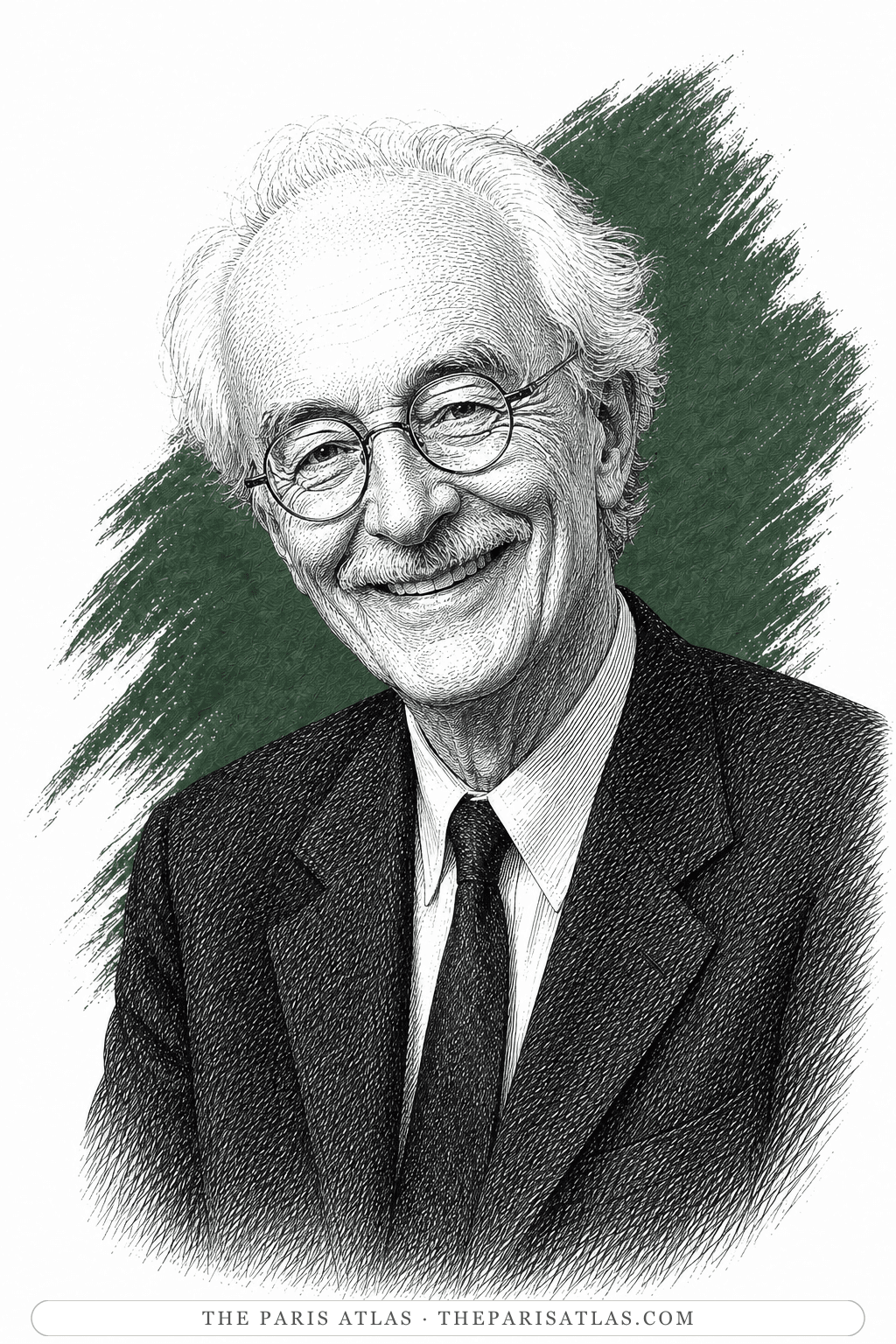
French publisher and interviewer who records Miller’s late recollections at Pacific Palisades.
1976
Stock / Chêne publishes the Paris edition of the Pacific Palisades conversations.
February 1976
Miller and de Bartillat discuss possible titles in correspondence, including Flash-back.
1990
C. de Bartillat publishes a French reissue with different pagination.

The earlier Belmont conversations, published under several national titles.
Read our take
A late prose collection confronting age from Miller’s own writing desk.
Read our take
It was published in French.
At Miller’s home in Pacific Palisades, California.
No. Flash Back is a later conversation book with Christian de Bartillat.
Christian de Bartillat, who was also a publisher, conducted the encounters represented in the book.
No. Its presentation includes editorial framing and passages from Miller’s writing as well as conversation.
Explore authors with a similar voice, perspective, and influence.
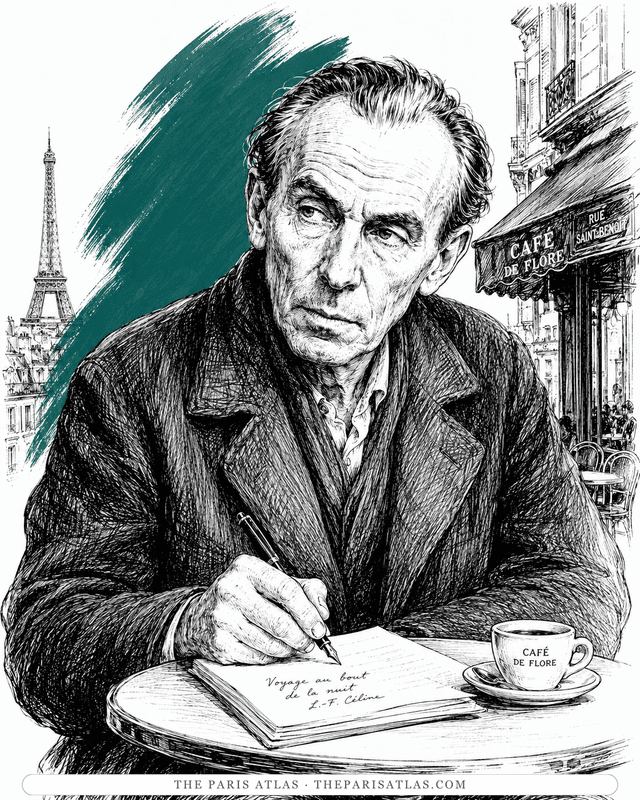
Miller's acknowledged master at making literature out of the gutter. Journey gave him permission; Cancer is what he did with it.
View author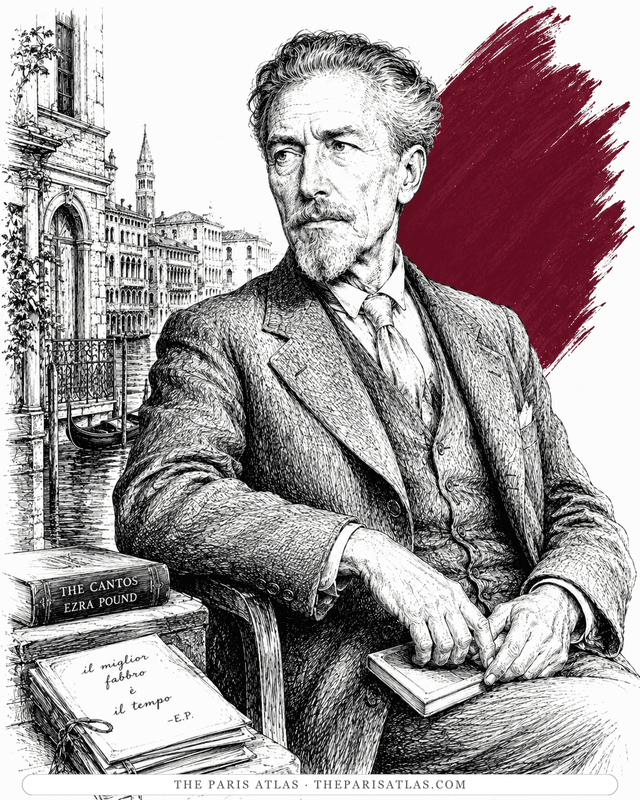
Pound read Cancer and sent Miller a famously backhanded postcard. Both believed literature's job was to wake the reader by any means necessary.
View author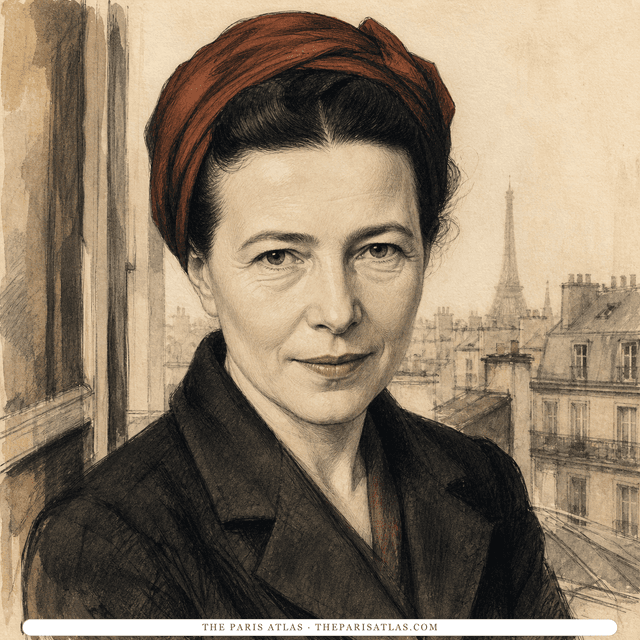
French writer and philosopher whose novels, memoirs, and social analysis examined freedom, gender, responsibility, aging, and the material conditions that shape a life.
View authorThe sources below include the primary text, editions, scholarship, archival materials, and other records that informed this page. They document Flash Back, its publication, and its place in literary history.


The primary text represented by this page, used for descriptions of the work’s contents and for any quoted passages shown here.
Web source consulted for documented facts and historical context presented on the Flash Back page.
Web source consulted for documented facts and historical context presented on the Flash Back page.

Official record used to verify names, dates, institutional details, or other factual information on this page.
Biographical evidence used to verify chronology, relationships, and historical context connected to Flash Back.
Biographical evidence used to verify chronology, relationships, and historical context connected to Flash Back.
Archival evidence used to document the historical record connected to Flash Back.
The primary text is the baseline reference for every book page. Additional references document publication history, interpretation, and historical context where that evidence is available.
 Explore more resources