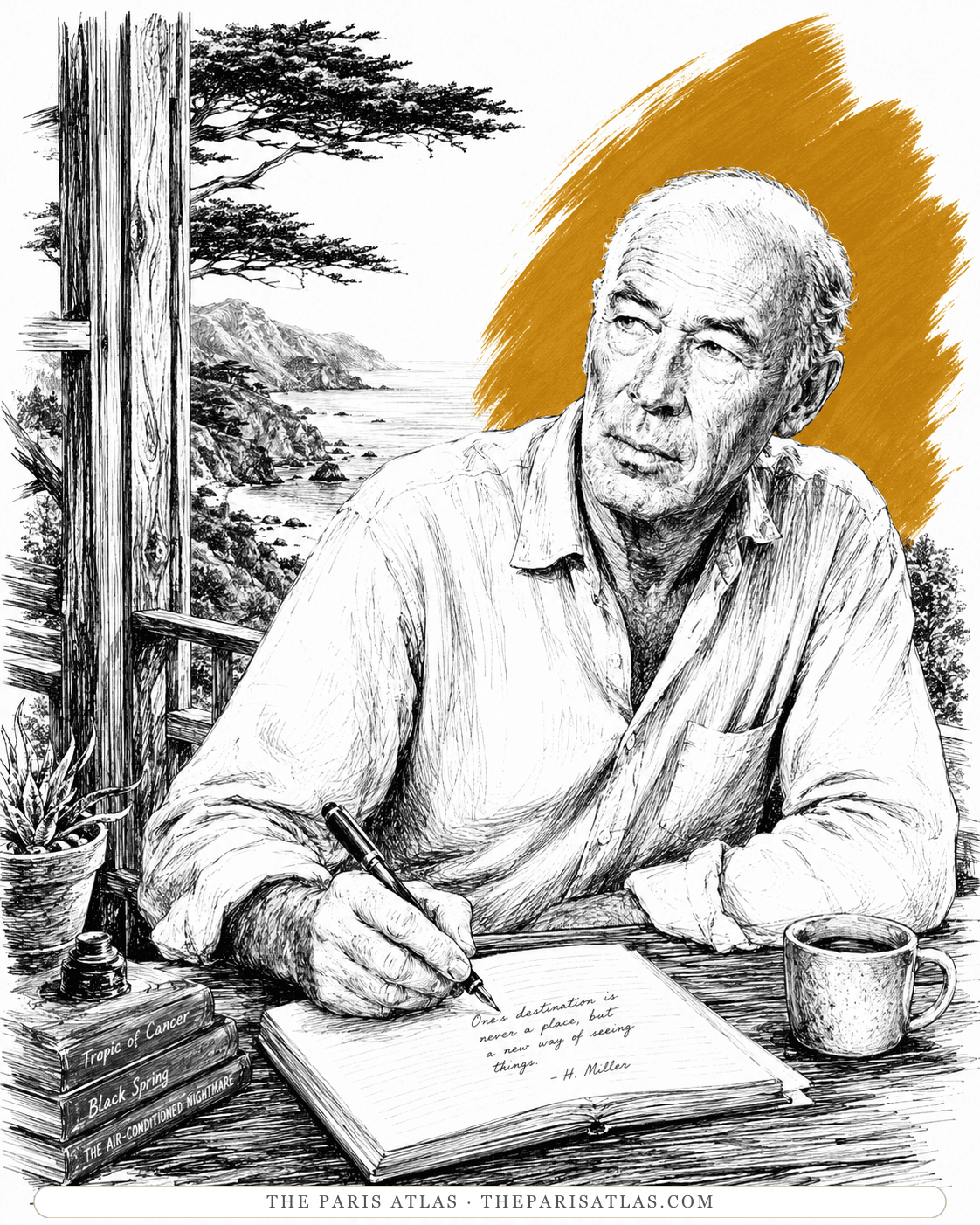

Mother, China, and the World Beyond
A companion late Capra meditation on mortality and reconciliation.
Read our take
by Henry Miller
Miller at eighty: gratitude, bodily comedy, and a refusal to treat old age as the end of imaginative appetite.
On Turning Eighty is Henry Miller’s compact report from the threshold of his ninth decade. The title essay measures age less by decline than by attention, appetite, friendship, and gratitude for the life still available. Capra Press launched its Yes! Capra Chapbook series with the thirty-four-page volume in 1972, pairing the title piece with Journey to an Antique Land and Miller’s foreword to The Angel Is My Watermark. Those companion texts also have their own publication histories, while the 1972 volume remains their shared container.
Miller neither denies physical aging nor grants it final authority. The comedy of the body sits beside a serious inventory of what remains possible: curiosity, pleasure, work, and the capacity to be surprised. The result is not a program for longevity but a characteristically personal argument that a meaningful life cannot be reduced to youth or productivity.
Capra Press founder Noel Young used Miller’s volume to begin a chapbook series devoted to short literary works. The companion pieces concern Bob Nash’s art and Miller’s own painting, bringing his visual interests alongside the title essay’s reflections on age.
Miller’s inventory begins with ordinary capacities: walking, eating, sleeping, and taking pleasure in the natural world. He replaces public measures of success with the ability to remain curious and receptive. The essay is personal testimony from old age, not a claim that everyone ages under equally fortunate conditions.
His voice retains its impatience and irreverence. Gratitude does not turn him into a decorous elder, and age has not made every person agreeable to him. That mixture of appreciation and irritation keeps the piece from becoming an uncomplicated inspirational message.
Miller describes being more cheerful than he was when young and less interested in making other people adopt his views. Wonder survives the loss of earlier illusions. He also questions the moral self-confidence with which people commit violence in the name of elevated causes.
The tension is productive: he recommends freedom from rigid principles in an essay full of strong judgments. Readers can distinguish his defense of enjoyment from his sweeping dismissals of schooling and medical caution. Those dismissals describe Miller’s outlook; they are not health advice or universal rules for a good life.
The 1972 Capra volume also contains Journey to an Antique Land and the foreword to The Angel Is My Watermark. The first concerns Bob Nash’s art; the second returns to Miller’s own visual practice. Neither should be mistaken for a new chapter in a continuous memoir of turning eighty.
The combination makes a small portrait of Miller as an older writer still engaged with making and looking. The title essay subsequently entered Sextet, where it can be read beside his dream of reconciliation in Mother, China, and the World Beyond. The overlap is textual, not a reason to treat the two books as identical.
Miller makes old age bodily, funny, and alert instead of turning eighty into a ceremonial abstraction.
The book begins the press series that became the defining physical form of Miller’s late essays.
The companion pieces about painting place Miller’s reflections on aging beside his continuing interest in making and looking at art.
1962
Journey to an Antique Land appears separately, a decade before its inclusion in the birthday volume.
1971
Miller turns eighty on 26 December.
1972
Capra Press publishes the thirty-four-page volume as its first Yes! Capra Chapbook.

A companion late Capra meditation on mortality and reconciliation.
Read our take
The 1972 book includes Miller’s foreword to this essay about his watercolor practice.
Read our take
The title essay, Journey to an Antique Land, and Miller’s foreword to The Angel Is My Watermark.
Capra Press published it in 1972 as the first title in the Yes! Capra Chapbook series.
It is best understood as a small late essay collection with a strongly autobiographical title piece.
He turned eighty on 26 December 1971; the Capra volume appeared the following year.
No. It also contains Journey to an Antique Land and the foreword to The Angel Is My Watermark.
Explore authors with a similar voice, perspective, and influence.
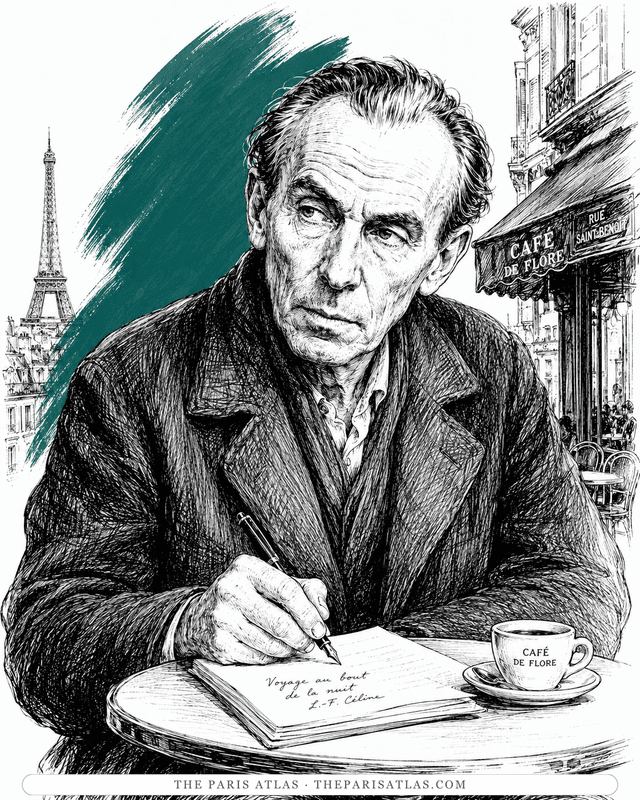
Miller's acknowledged master at making literature out of the gutter. Journey gave him permission; Cancer is what he did with it.
View author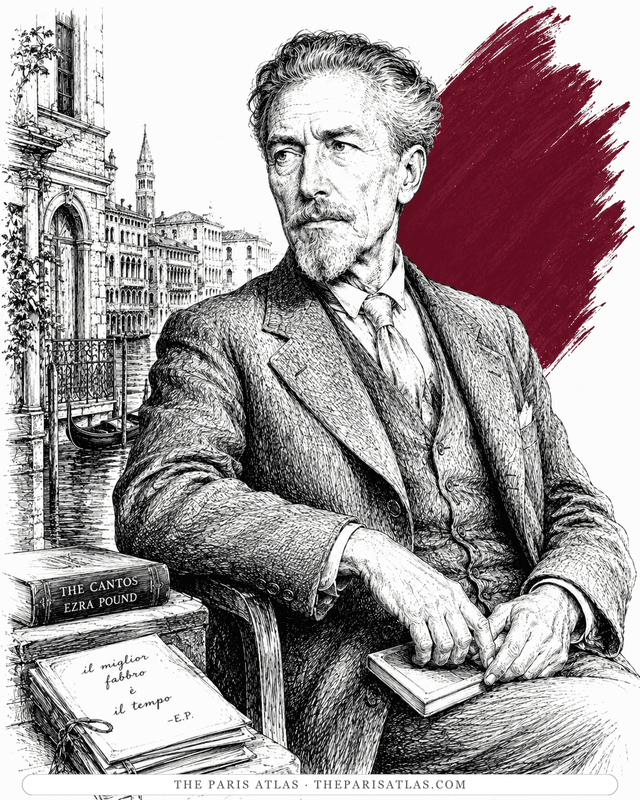
Pound read Cancer and sent Miller a famously backhanded postcard. Both believed literature's job was to wake the reader by any means necessary.
View author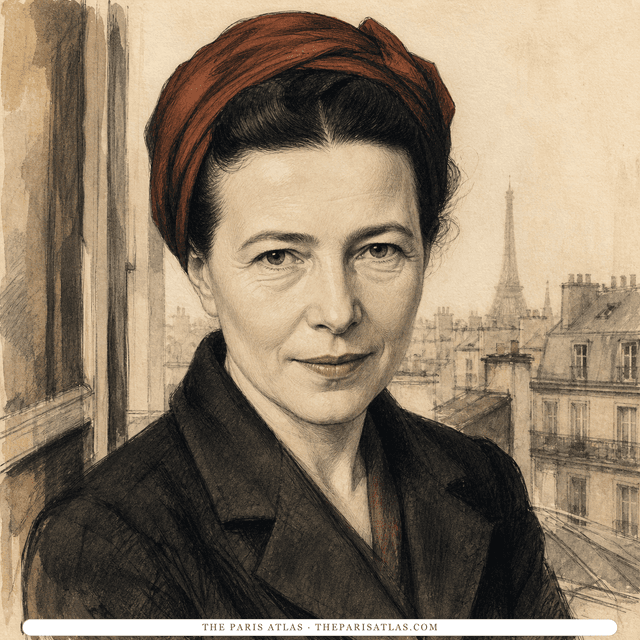
French writer and philosopher whose novels, memoirs, and social analysis examined freedom, gender, responsibility, aging, and the material conditions that shape a life.
View authorThe sources below include the primary text, editions, scholarship, archival materials, and other records that informed this page. They document On Turning Eighty, its publication, and its place in literary history.


The primary text represented by this page, used for descriptions of the work’s contents and for any quoted passages shown here.

Web source consulted for documented facts and historical context presented on the On Turning Eighty page.
Official record used to verify names, dates, institutional details, or other factual information on this page.
Web source consulted for documented facts and historical context presented on the On Turning Eighty page.
Biographical evidence used to verify chronology, relationships, and historical context connected to On Turning Eighty.
Biographical evidence used to verify chronology, relationships, and historical context connected to On Turning Eighty.
The primary text is the baseline reference for every book page. Additional references document publication history, interpretation, and historical context where that evidence is available.
 Explore more resources