The creature
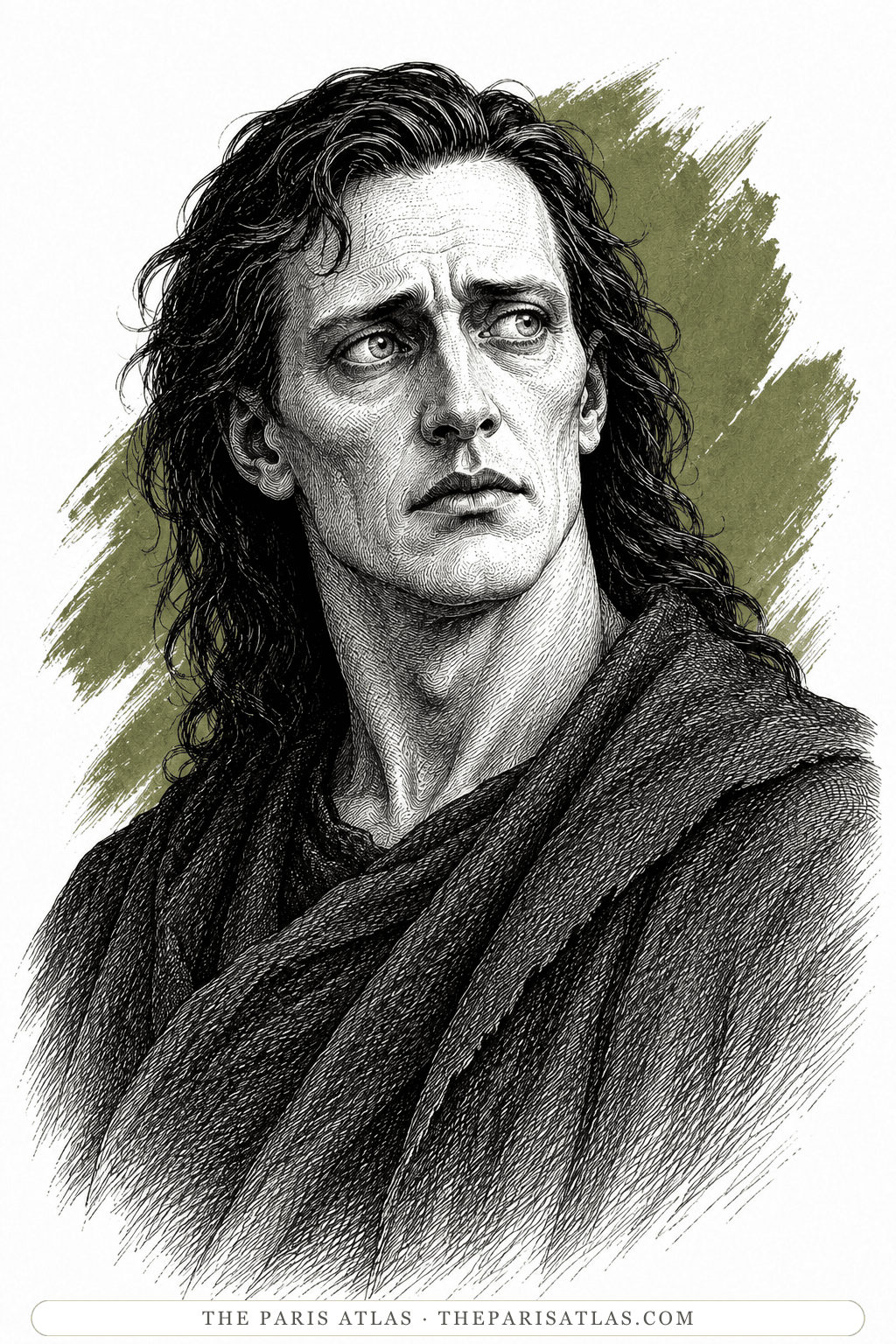
The unnamed being Victor brings to life, who learns to speak and recounts its own history.
It wants recognition, affection and a companion who will share its life.
The book

Who they are in the book
Spoiler-freeThe creature describes its wish for companionship alongside the violence it later commits. Its explanation of rejection deserves attention without turning its victims into justified sacrifices.
How The creature Is Portrayed
- Recognizing the cottagers’ hungerIn Volume II, Chapter IV, the creature realizes that taking the family’s food causes them pain. It stops stealing their provisions and gathers wood for them at night. Its sympathy becomes a change in conduct before they even know it exists.
- Reading itself into booksIn Volume II, Chapter VII, the creature studies Paradise Lost, Plutarch’s Lives and The Sorrows of Werter. It compares its situation with Adam’s and Satan’s, then reads Victor’s notes on its creation. Learning offers new ways to describe its isolation.
- Asking the blind father to listenIn Volume II, Chapter VII, it approaches De Lacey while the younger people are away. The old man responds kindly to its speech, but Felix attacks when he returns. The encounter separates a hearing based on words from a judgment prompted by appearance.
- Turning rejection into violenceIn Volume II, Chapter VIII, the creature admits killing William after learning his family name, then placing the portrait to incriminate a young woman. Its account makes the desire for revenge explicit. Earlier mistreatment does not erase its deliberate choices.
- Demanding a companionIn Volume II, Chapter IX, the creature argues that affection would make a harmless life possible and promises exile in South America. It also threatens Victor. It appeals to Victor’s duties as a creator while using threats to secure his agreement.
- Speaking after Victor’s deathIn the final Walton continuation, the creature mourns its creator and condemns its own murders while protesting the injustice done to it. It announces an intention to end its life, then disappears on an ice raft. Its death remains outside the witnessed ending.
If you like Frankenstein


If you like Mary Shelley
Explore authors with a similar voice, perspective, and influence.
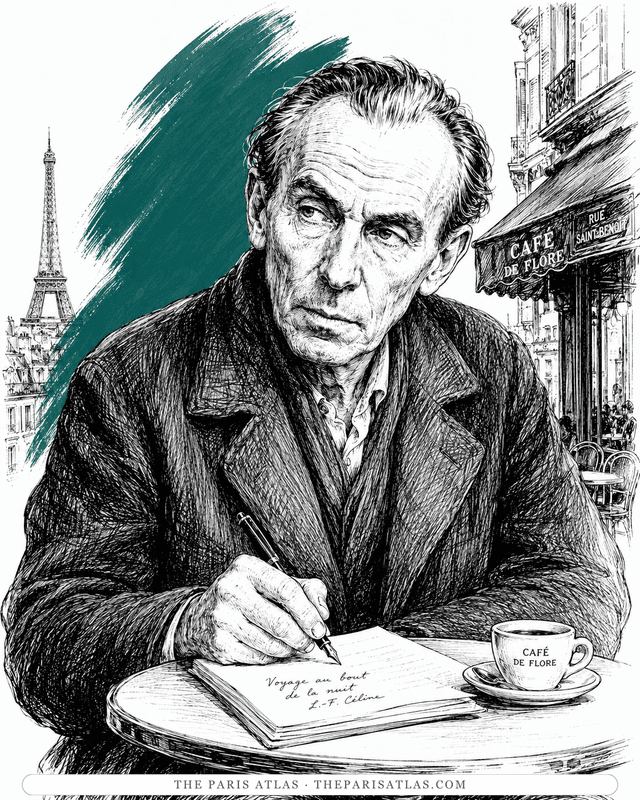
Louis-Ferdinand Céline
The doctor of the Paris slums who wrote the century's blackest, funniest novel — and changed the sound of French prose.
View author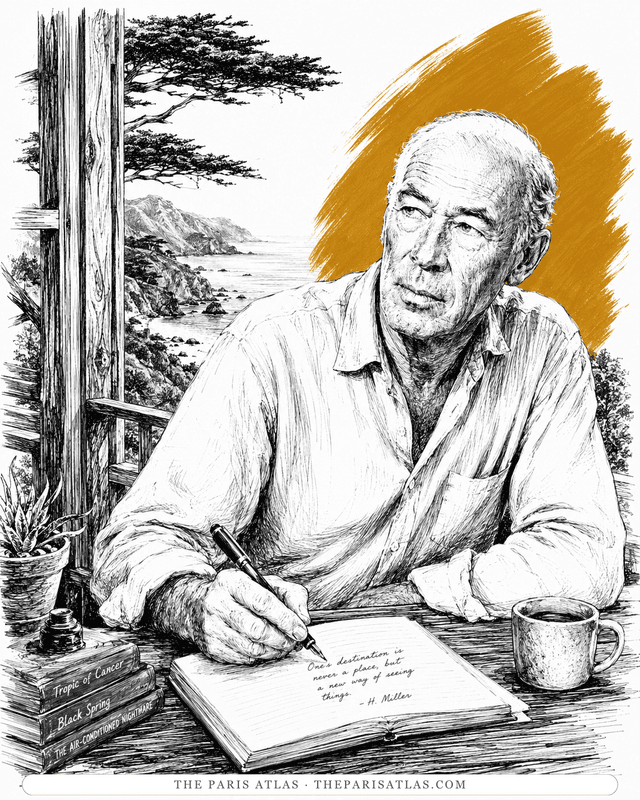
Henry Miller
The Brooklyn dropout who arrived in Paris broke at thirty-eight and wrote the exuberant, banned books that ended American censorship.
View author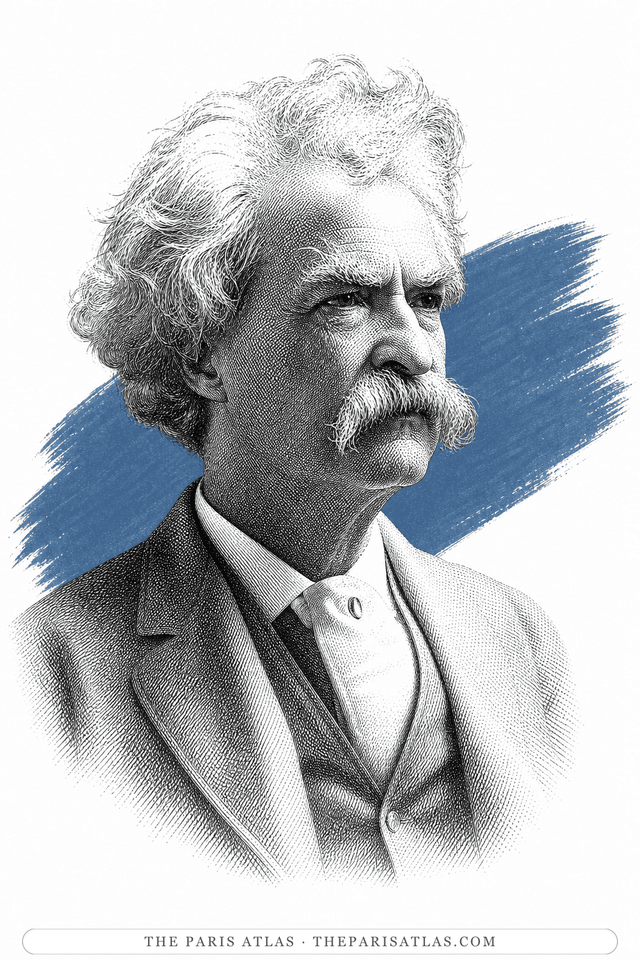
Mark Twain
The Missouri newspaperman who became America's most famous writer, and whose first book made its reputation partly out of Paris: in 1867 he arrived with a shipload of American tourists, renamed his guide Ferguson, watched the high-kicking can-can through his fingers and wrote it all down. He kept coming back — and was living in Paris in the mid-1890s, broke, while finishing the novel he considered his best, Personal Recollections of Joan of Arc.
View author