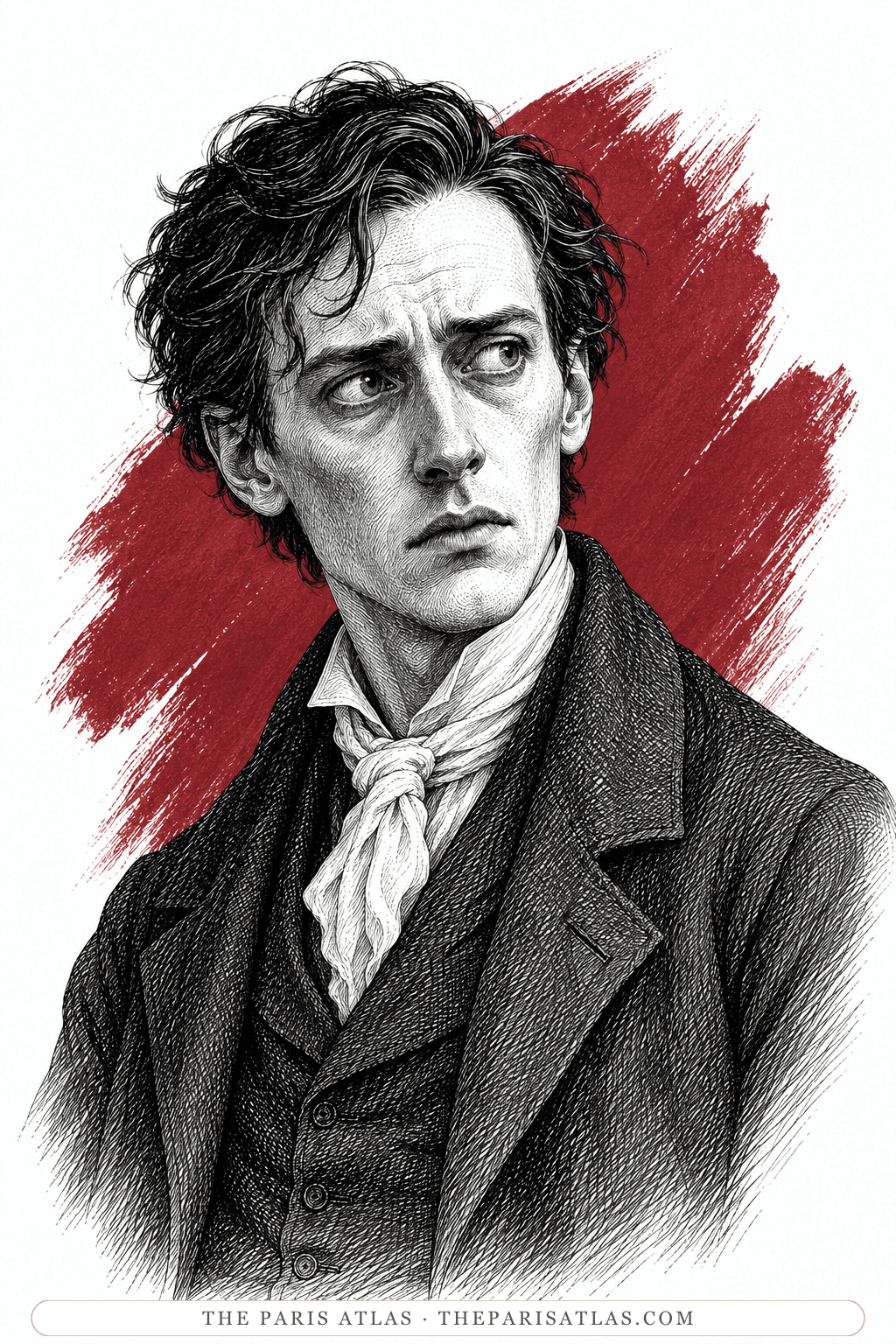
Victor Frankenstein
The Genevan student who creates a living being and narrates his history to Walton.
He first seeks the power to create life, then tries to escape, contain and finally destroy the being he has made.
The book

Who they are in the book
Spoiler-freeVictor alternates between confessing responsibility and defending his decisions. His own suffering often fills the account even when other people bear the consequences.
How Victor Frankenstein Is Portrayed
- Allowing research to consume his lifeIn Volume I, Chapter III, Victor imagines a new species blessing him as its creator. At the same time, he neglects his family’s letters and loses his health. He imagines the gratitude of beings he has not yet created while neglecting the people already close to him.
- Fleeing after the experiment succeedsIn Volume I, Chapter IV, the creature opens its eyes and Victor runs from the room. Clerval later nurses him for months. Victor receives the sustained care that he has not given his own creation.
- Keeping silent during Justine’s trialIn Volume I, Chapter VII, Victor believes Justine is innocent but says that revealing his story would seem mad. He describes his anguish as worse than hers. That comparison directs attention toward his remorse while her life remains at stake.
- Listening on the glacierIn Volume II, Chapter II, Victor initially tries to attack the creature. Its demand to be heard makes him consider a creator’s duties, and he follows it into a hut. For the moment, he is willing to hear the creature’s request instead of fighting it.
- Destroying the unfinished companionIn Volume III, Chapter III, Victor imagines the female refusing the promised exile or producing children. He destroys her before bringing her to life. He presents this broken promise as protection for humanity, although the fears remain his predictions.
- Drawing Walton into the pursuitIn Volume III, Chapter VII, Victor asks Walton to destroy the creature if it appears. He also urges the frightened sailors onward, then advises Walton against ambition near his death. Those conflicting appeals complicate his claim to have learned from disaster.
If you like Frankenstein


If you like Mary Shelley
Explore authors with a similar voice, perspective, and influence.
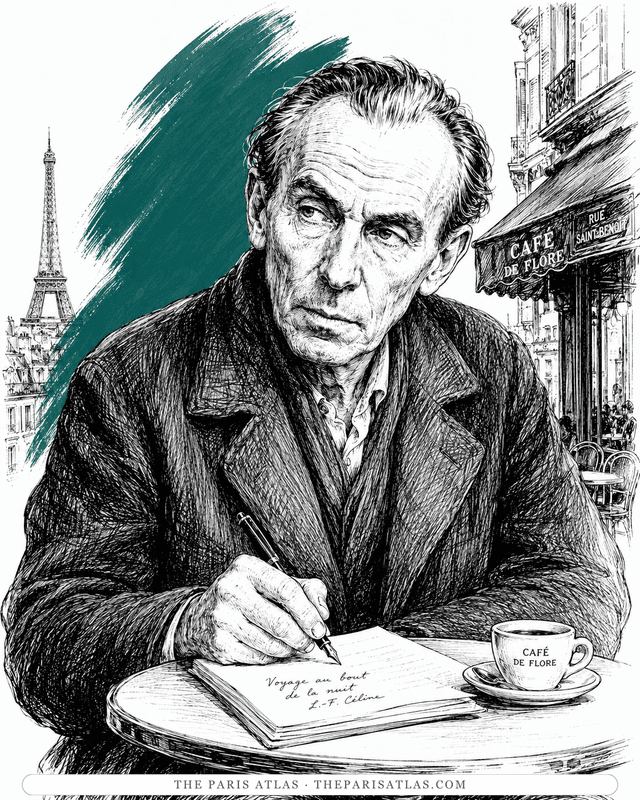
Louis-Ferdinand Céline
The doctor of the Paris slums who wrote the century's blackest, funniest novel — and changed the sound of French prose.
View author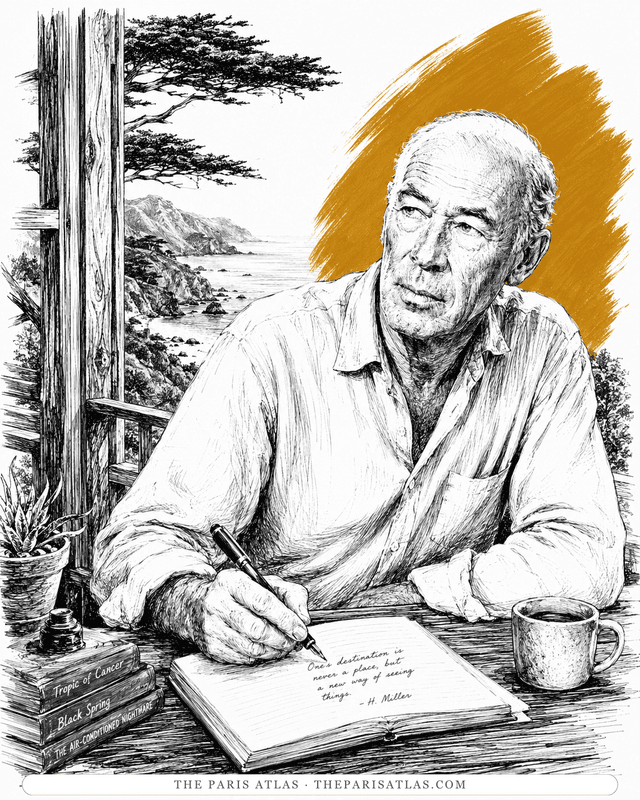
Henry Miller
The Brooklyn dropout who arrived in Paris broke at thirty-eight and wrote the exuberant, banned books that ended American censorship.
View author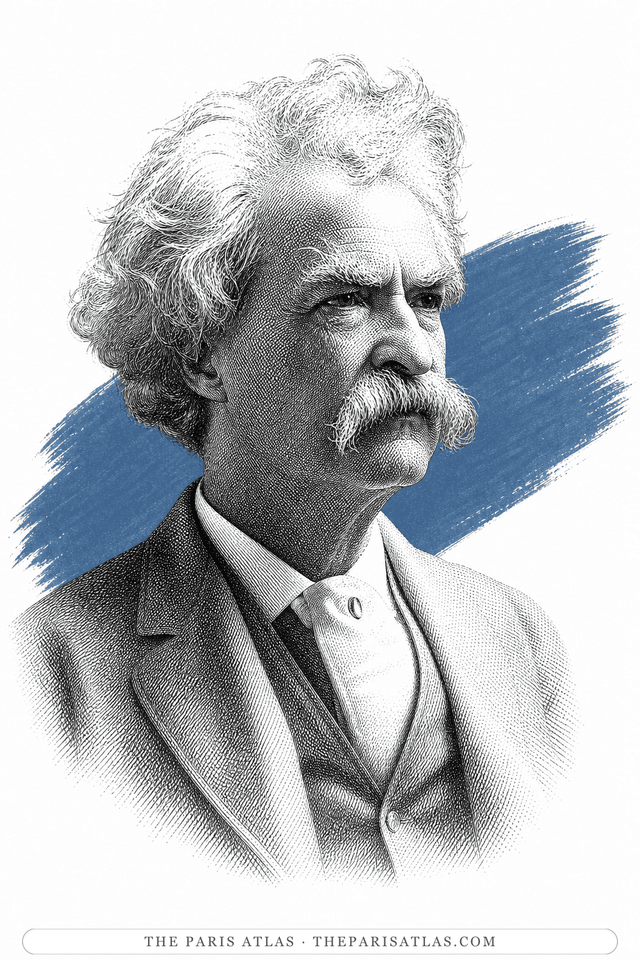
Mark Twain
The Missouri newspaperman who became America's most famous writer, and whose first book made its reputation partly out of Paris: in 1867 he arrived with a shipload of American tourists, renamed his guide Ferguson, watched the high-kicking can-can through his fingers and wrote it all down. He kept coming back — and was living in Paris in the mid-1890s, broke, while finishing the novel he considered his best, Personal Recollections of Joan of Arc.
View author