

Crucifix in a Deathhand
The second Loujon book, made two years later by the same husband-and-wife press.
Read our take
Bukowski's first full-length poetry collection: 777 copies hand-printed in a New Orleans apartment by Jon and Louise Webb.
It Catches My Heart in Its Hands, published in 1963, was Charles Bukowski's first full-length collection of poems. It gathers work from 1955 to 1963, the years he spent sending poems to little magazines while working at the Los Angeles post office. The book itself is as famous as the poems: Jon and Louise "Gypsy Lou" Webb of Loujon Press hand-printed and hand-bound 777 copies in their small New Orleans apartment, on an old sheet-fed press, using an assortment of colored papers. It sold new for five dollars and is now one of the most sought-after Bukowski books on the rare-book market. The collection has never been reprinted on its own; the standard way to read its poems today is Burning in Water, Drowning in Flame, the selected volume that draws on it.
The Bukowski of these poems is earlier and more lyrical than the one most readers meet first. The hard, flat anecdotes of the 1970s books are not yet the default; these poems are closer to lament than to barroom story, written by a man in his late thirties and early forties who was almost entirely unknown. The Webbs, who also edited the literary magazine The Outsider, believed in him before nearly anyone else did, and the book was the first in their series named for Louise Webb — the Gypsy Lou series.
In “The House,” construction promises a future household, yet the speaker hears an activity that ought to stop. His wish for withdrawal spreads outward until even the building seems unwilling to be finished. The open frame briefly offers something a completed home would obstruct: a view through it toward the hills. But this apparent agreement between observer and surroundings does not last. When the cats return his gaze, he becomes embarrassed and leaves. The ending makes his position less secure: he can imagine what the house wants, but cannot remain comfortably under another creature’s scrutiny.
The cheering refrain in “Hooray Say the Roses” makes floral beauty disturbingly compatible with violence. The flowers thrive where people have fallen; their color carries an association the cheerful voice does not mourn. The poem repeatedly places natural life beside instruments of destruction, then reduces the scale to a medal and a passing moth. Official honor becomes one small object within a world that continues without explaining the deaths. The final address turns toward the reader’s pleasure in flowers. What seemed an innocent attraction now has to coexist with the history the roses proclaim.
The first full-length Bukowski book — the poems he had built up over eight years of little magazines, printed by the first people who fully believed in him.
The Loujon books are studied and collected as printing, not only as poetry; this one started the press's Gypsy Lou series.
The collection brings together writing produced while Bukowski was still maintaining a day job, before his later literary security.
1955–1963
Bukowski writes the poems while working at the Los Angeles post office, publishing in little magazines.
1963
Jon and Louise Webb hand-print 777 copies at Loujon Press in New Orleans.
1974
A selection of the poems returns to print in Burning in Water, Drowning in Flame.
The second Loujon book, made two years later by the same husband-and-wife press.
Read our take
The in-print selected volume that reprints poems from this collection — the practical way to read it.
Read our take
The collection that followed the Loujon years, from the publisher who kept him for life.
Read our takeCharles Bukowski's first full-length poetry collection, published by Loujon Press in 1963. It gathers new and selected poems from 1955 to 1963, the years he wrote alongside a Los Angeles post-office job.
Loujon Press — Jon and Louise "Gypsy Lou" Webb, who hand-printed and hand-bound the entire edition in their New Orleans apartment. It was the first book of their Gypsy Lou series.
777, each hand-printed on an assortment of colored papers. The original price, printed on the back cover, was five dollars.
Yes. The collection itself has never been reprinted, but Burning in Water, Drowning in Flame — the selected volume covering 1955 to 1973 — draws its opening section from this book and remains in print.
It was the moment he stopped being only a little-magazine poet. A full-length book, beautifully made, put his name in front of editors and readers — Black Sparrow Press began publishing him five years later.
Explore authors with a similar voice, perspective, and influence.
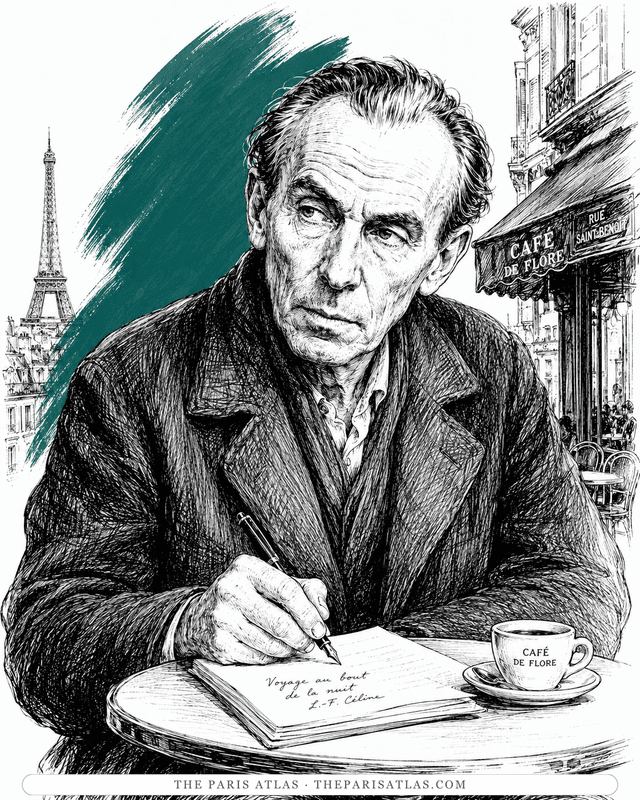
The doctor of the Paris slums who wrote the century's blackest, funniest novel — and changed the sound of French prose.
View author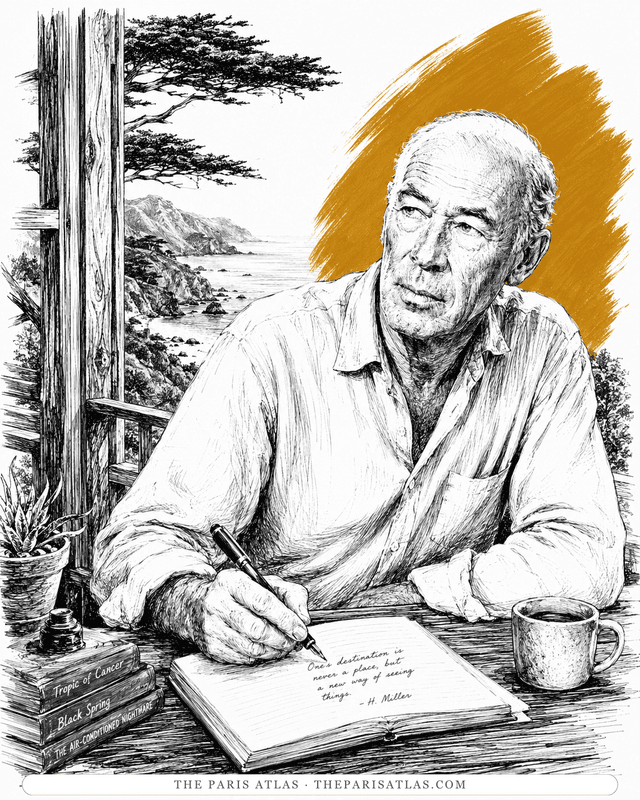
The Brooklyn dropout who arrived in Paris broke at thirty-eight and wrote the exuberant, banned books that ended American censorship.
View author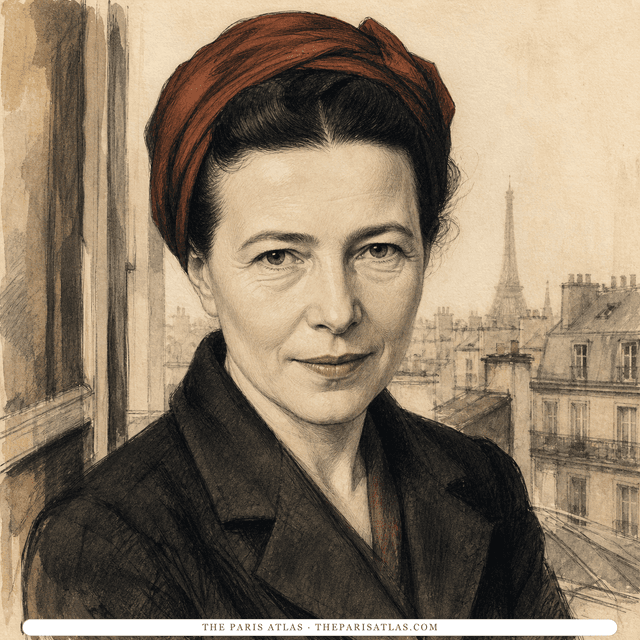
French writer and philosopher whose novels, memoirs, and social analysis examined freedom, gender, responsibility, aging, and the material conditions that shape a life.
View authorThe sources below include the primary text, editions, scholarship, archival materials, and other records that informed this page. They document It Catches My Heart in Its Hands, its publication, and its place in literary history.


The primary text represented by this page, used for descriptions of the work’s contents and for any quoted passages shown here.

Publication year, publisher, edition size, and the book's place in the chronology.
Bibliographic details of the Loujon edition checked against the checklist.
The Webbs, The Outsider, and the New Orleans printing in the career narrative.
Career arc: the little-magazine years and the late start.
Complete The House and Hooray Say the Roses in a third-party transcription of the later Burning in Water, Drowning in Flame collected text (1997 Black Sparrow / 1999 Chadwyck-Healey metadata), pages 35–36 and 27. Supports the two poem readings, not a collation of the 1963 Loujon edition or independently verified biography.
Specialist contents independently confirm The House on page 55 and Hooray Say the Roses on page 42 of It Catches My Heart in Its Hands. Used for collection membership, not the database's approximate composition dates.
The primary text is the baseline reference for every book page. Additional references document publication history, interpretation, and historical context where that evidence is available.
 Explore more resources