

Post Office
The novel of the same years, where Jane appears as Betty — the fictional telling of the life these poems mourn.
Read our take
The collection that carries the elegies for Jane — Bukowski's grief poems for the great love of his rooming-house years.
The Days Run Away Like Wild Horses Over the Hills, published by Black Sparrow Press in 1969, is the collection where Charles Bukowski's grief for Jane Cooney Baker lives. Jane was the older woman he loved through the 1940s and 1950s — the most important relationship of his early life, and the most destructive; her drinking matched or exceeded his own. She died in 1962, and the elegies he wrote for her are gathered here alongside the other poems of the decade. The title is among the most famous he ever wrote, and the book has stayed in print for more than fifty years. Readers who know Jane as Wanda in the film Barfly, or as Betty in the novel Post Office, meet the real grief behind those characters in these poems.
The collection was published the year before John Martin's hundred-dollar-a-month offer freed Bukowski from the post office, and it closes the first long chapter of the life: the rooming houses, the drinking years, and Jane. The Jane poems are unlike anything else in Bukowski — direct, wounded, and without the armor of the later persona. The rest of the collection runs the register of his 1960s work, from flat city anecdote to lament, and the title phrase has escaped the book the way only a few of his titles have.
In “For Jane: With All the Love I Had, Which Was Not Enough,” the dress can still be held, but it cannot restore the person whose movement once gave it life. The repeated act of picking it up makes grief return to the same material evidence. Against that certainty, the speaker piles up appeals to gods and other possible supports, as though multiplying them might overcome a single loss. The closing return to the dress on his arm breaks that hope. Its tangible presence measures the woman’s absence; the poem offers neither a successful bargain nor a consoling explanation.
“Spring Swan” interrupts the promise of seasonal renewal with a death already present in the water. The approach of people carrying picnic bags brings another expectation into the scene: a Sunday should be available for pleasure. Yet the poem never shows those visitors responding to the swan. It is the speaker who feels ashamed and walks away, judging his own departure even as he makes it. His final possessive description of the bird preserves a private attachment after that retreat. The tension lies between his sense of responsibility toward the dead bird and his unwillingness to stay with it.
The most direct and defenseless poems Bukowski wrote, for the person whose loss he never finished writing about.
Published a year before he left the post office to write full time — the last collection of the rooming-house years.
The poems about Jane can be compared with the transformed relationships in the novels and screenplay without treating those characters as exact portraits.
1962
Jane Cooney Baker dies. Bukowski writes about her loss repeatedly in the years that follow.
1969
Black Sparrow Press publishes the collection.
1970
Bukowski leaves the post office on John Martin's monthly stipend and begins Post Office, where Jane becomes Betty.

The novel of the same years, where Jane appears as Betty — the fictional telling of the life these poems mourn.
Read our take
The selected volume covering the same era, for readers who want the early period in one book.
Read our take

The other great Bukowski collection about love — desire and wreckage where this one is grief.
Read our takeLove and grief, more directly than anywhere else in Charles Bukowski's poetry. The 1969 collection gathers his poems of the 1960s, including the elegies for Jane Cooney Baker, the woman he loved through the 1940s and 1950s, who died in 1962.
An older woman Bukowski met in a Los Angeles bar and loved, on and off, for more than a decade — the most important relationship of his early life. Her drinking matched his own, and her death in 1962 marked him permanently. She appears as Betty in Post Office and as Wanda in the film Barfly.
It is one of the two usual doors, with Love Is a Dog from Hell. Start here if you want the grief and tenderness under the persona; start with Love Is a Dog from Hell if you want the desire and wreckage.
Black Sparrow Press published it in 1969, the year before Bukowski left the post office to write full time. Ecco keeps it in print.
It is Bukowski's own line — one of the most famous phrases he wrote, and the reason many readers pick this collection up first.
“For Jane: With All the Love I Had, Which Was Not Enough” — the elegy for Jane Cooney Baker, and one of the few Bukowski poems that circulates whole rather than as a quoted line.
153 pages, with a numbered issue of 250 copies signed on the colophon, bound in green cloth over printed boards.
Explore authors with a similar voice, perspective, and influence.
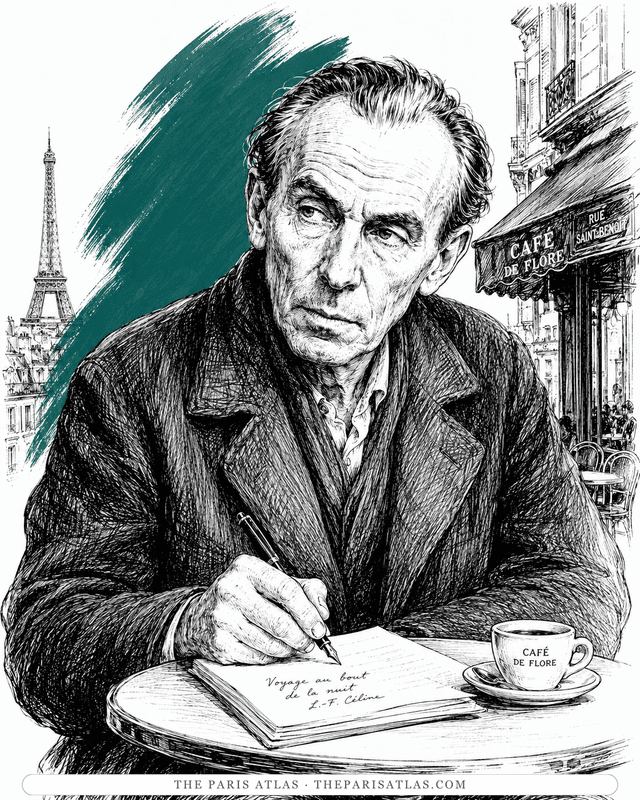
The doctor of the Paris slums who wrote the century's blackest, funniest novel — and changed the sound of French prose.
View author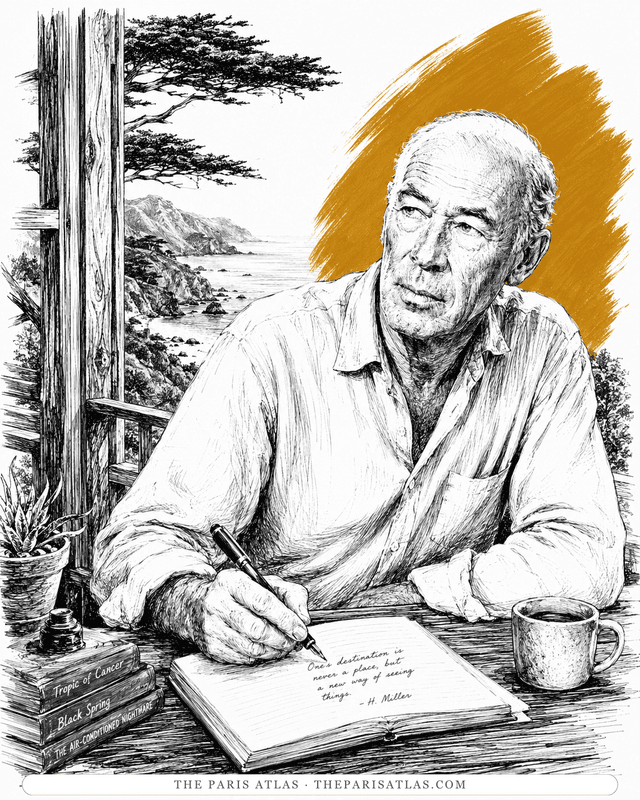
The Brooklyn dropout who arrived in Paris broke at thirty-eight and wrote the exuberant, banned books that ended American censorship.
View author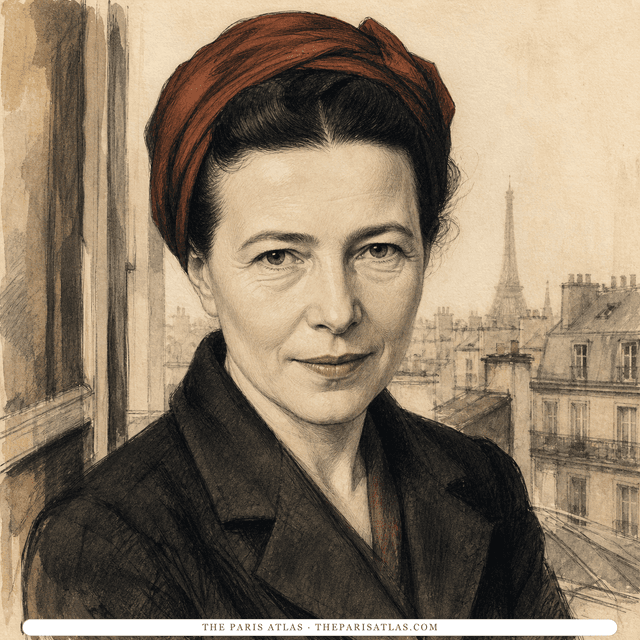
French writer and philosopher whose novels, memoirs, and social analysis examined freedom, gender, responsibility, aging, and the material conditions that shape a life.
View authorThe sources below include the primary text, editions, scholarship, archival materials, and other records that informed this page. They document The Days Run Away Like Wild Horses Over the Hills, its publication, and its place in literary history.


The primary text represented by this page, used for descriptions of the work’s contents and for any quoted passages shown here.

Publication year, publisher, and chronology of the Jane years.
Bibliographic details checked against the checklist.
Jane Cooney Baker's place in the life and the collection's grief poems.

Official record used to verify names, dates, institutional details, or other factual information on this page.
Complete poem transcription; not an original-edition facsimile or independent biographical evidence.
Complete English poem; the site's collection and year tags are not used for bibliography.
Independent membership check: the full-titled Jane poem on page 32 and Spring Swan on page 51.
The primary text is the baseline reference for every book page. Additional references document publication history, interpretation, and historical context where that evidence is available.
 Explore more resources