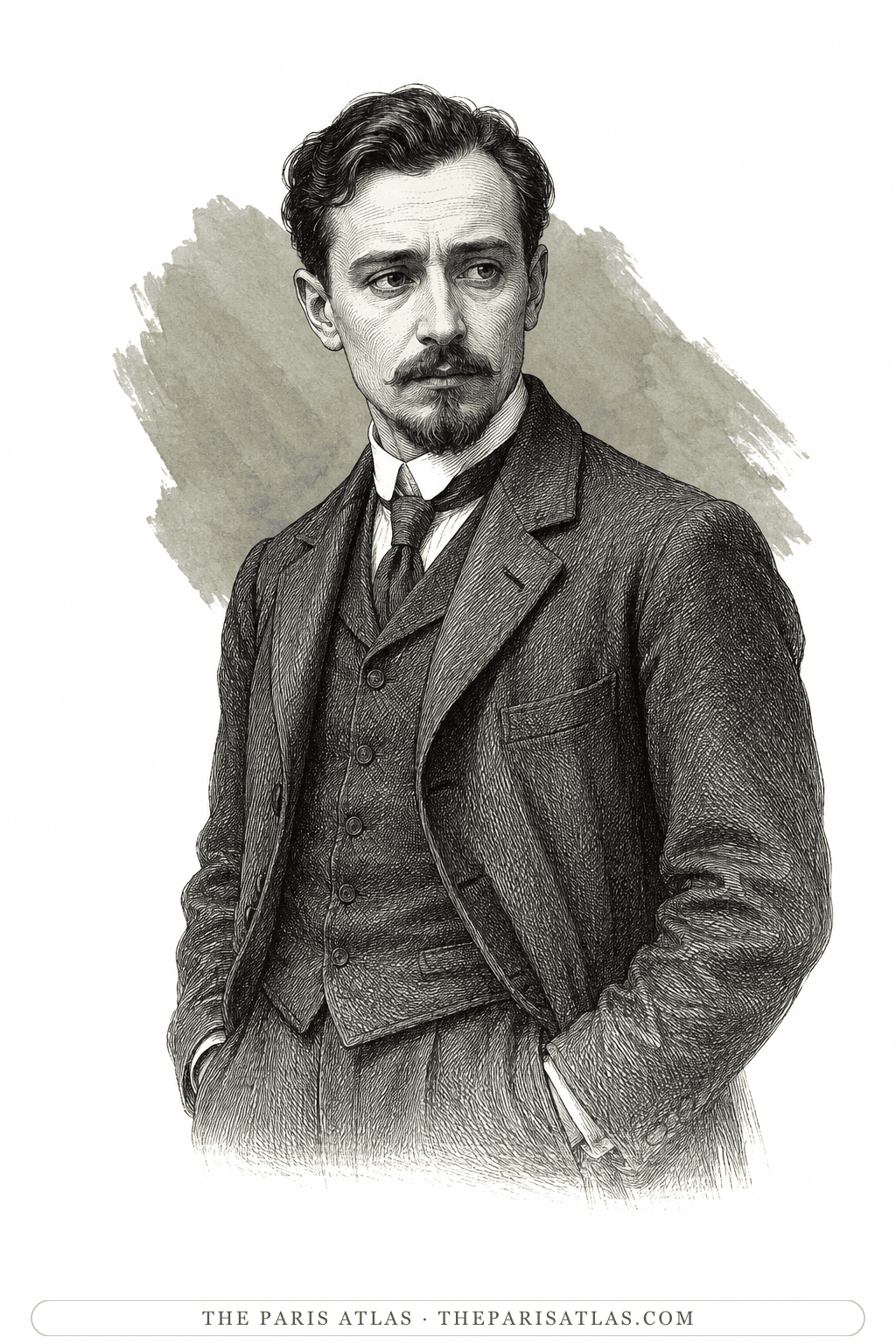
Dr. Bomgard
The fellow physician who receives Polyakov after the shooting and becomes the careful reader of his journal.
To understand what happened to Polyakov and preserve the meaning of the journal he leaves behind.
The book

At a glance
- Physician
- Framing narrator and reader of the journal
- Polyakov’s colleague
Who they are in the book
Spoiler-freeBomgard has recently left a remote posting for a more comfortable medical position when Polyakov’s crisis reaches him. He cannot reverse the shooting, but he can receive what Polyakov has written.
His frame turns private collapse into testimony. He is both colleague and reader, close enough to understand the medical world while distant enough to witness the full pattern.
How Dr. Bomgard Is Portrayed
- Slightly older physicianGreater composure distinguishes him from Polyakov’s deteriorating state.
- Early-Soviet professional dressHis clothing belongs to the same medical world as Polyakov’s.
- Disturbed restraintThe journal affects him without producing melodrama.
- Attentive readerHis role depends on receiving and following another man’s account.
- Collegial concernPolyakov is a fellow doctor rather than an abstract case.
- WitnessHe cannot save Polyakov, but he can keep the testimony from vanishing.
Bomgard receives Polyakov after the self-inflicted shooting and is left with his journal after Polyakov dies.
If you like Morphine


If you like Mikhail Bulgakov
Explore authors with a similar voice, perspective, and influence.
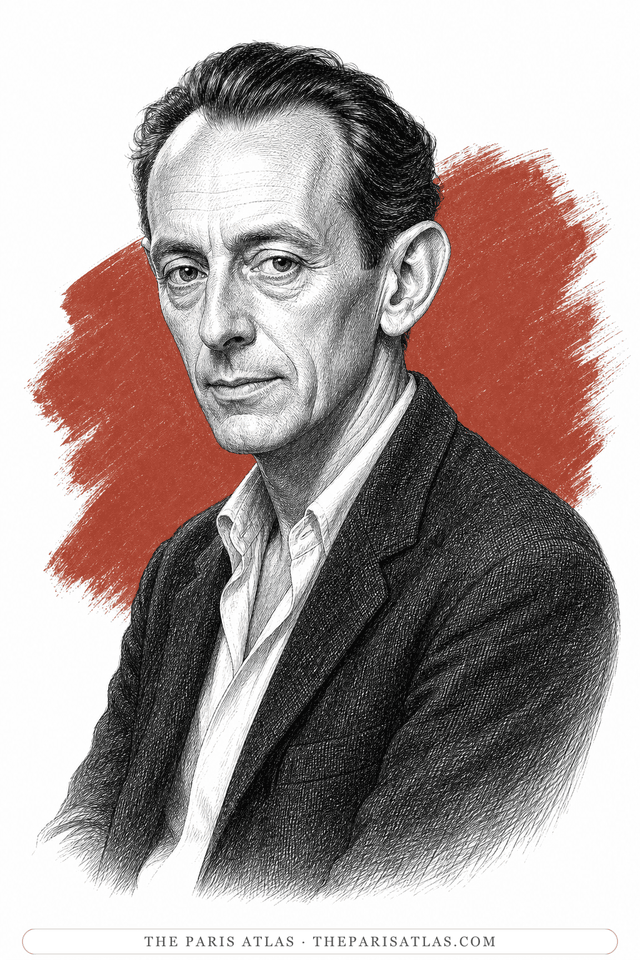
Paul Bowles
American novelist and composer whose expatriate fiction explores dislocation, unstable intimacy, fatalism, and North Africa.
View author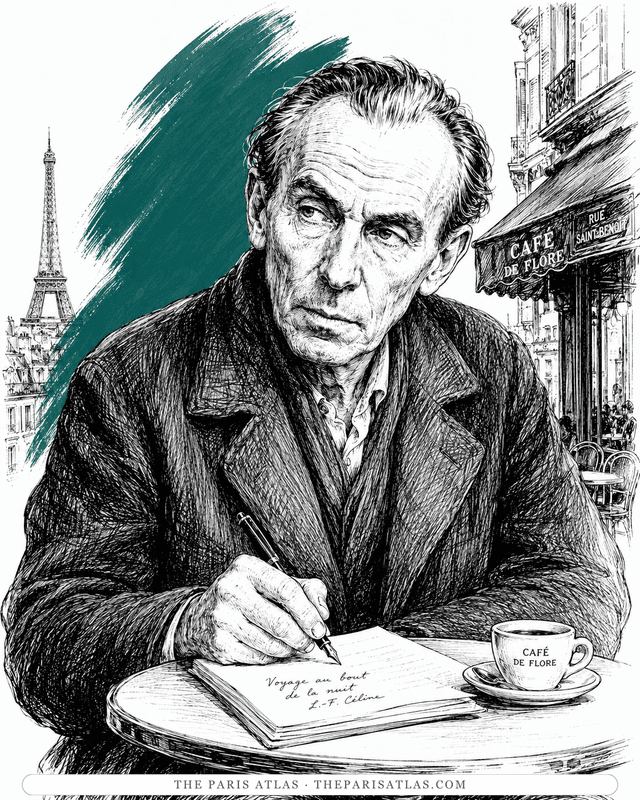
Louis-Ferdinand Céline
The doctor of the Paris slums who wrote the century's blackest, funniest novel — and changed the sound of French prose.
View author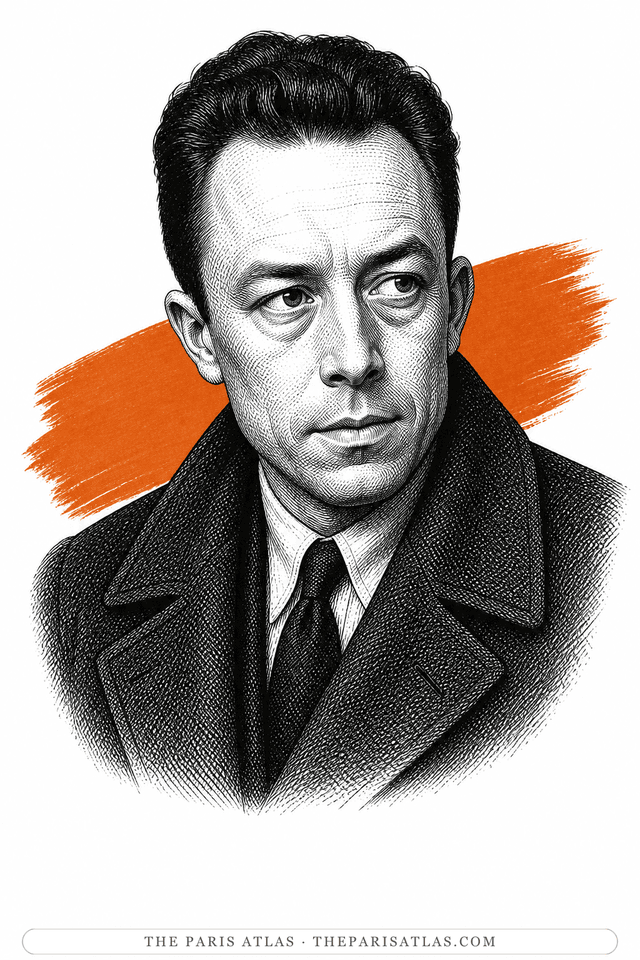
Albert Camus
French Algerian novelist, essayist, journalist and playwright who used the absurd and revolt to ask how people should live without false consolation.
View author