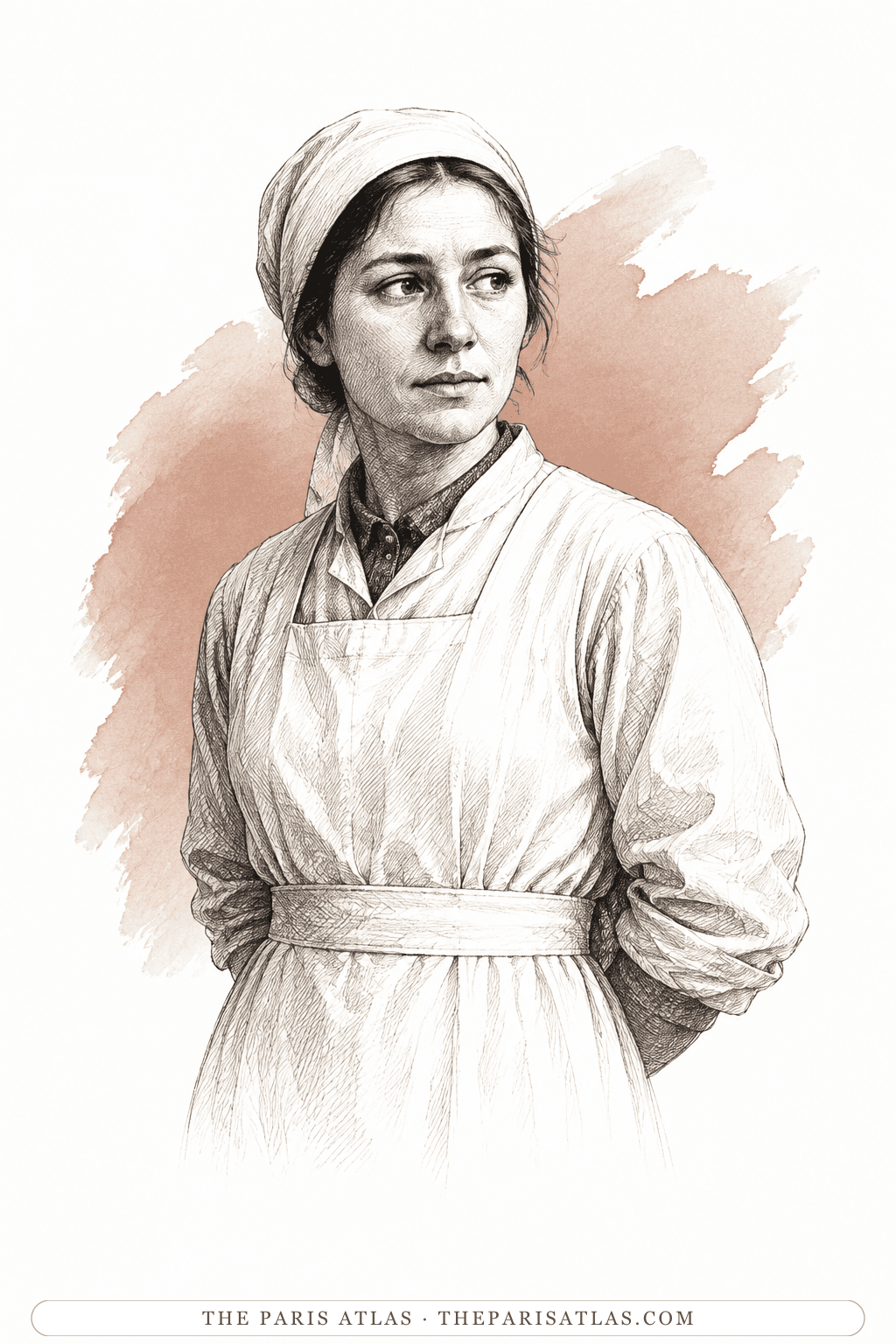
Medical colleagues and attendants
The supporting medical figures whose access, observation, and ordinary routines contrast with Polyakov’s increasingly private crisis.
To carry out medical duties and respond practically to a crisis they can observe only in fragments.
The book

At a glance
- Medical colleagues and attendants
- Access, observation, communication, and emergency response
- Grouped supporting figures
Who they are in the book
Spoiler-freeOther medical workers appear around supply, treatment, communication, and the response to Polyakov’s final injury. Their ordinary professional presence makes his concealment more visible.
The source treats them collectively rather than as a developed cast. One representative profile preserves their function without assigning invented names or biographies.
How Medical colleagues and attendants Is Portrayed
- Period medical clothingA plain early-Soviet clinical appearance suits the rural setting.
- Practical mannerDaily work matters more than dramatic reaction.
- Partial knowledgeThey see effects without possessing Polyakov’s private journal until too late.
- Professional routineOrdinary care contrasts with the hidden addiction.
- Supporting presenceTheir role is functional rather than biographically detailed.
- Representative figureOne portrait stands for the grouped people named in the supplied treatment.
They cannot prevent Polyakov’s death. Their presence helps carry the final crisis into Bomgard’s framing account.
If you like Morphine


If you like Mikhail Bulgakov
Explore authors with a similar voice, perspective, and influence.

Paul Bowles
American novelist and composer whose expatriate fiction explores dislocation, unstable intimacy, fatalism, and North Africa.
View author
Louis-Ferdinand Céline
The doctor of the Paris slums who wrote the century's blackest, funniest novel — and changed the sound of French prose.
View author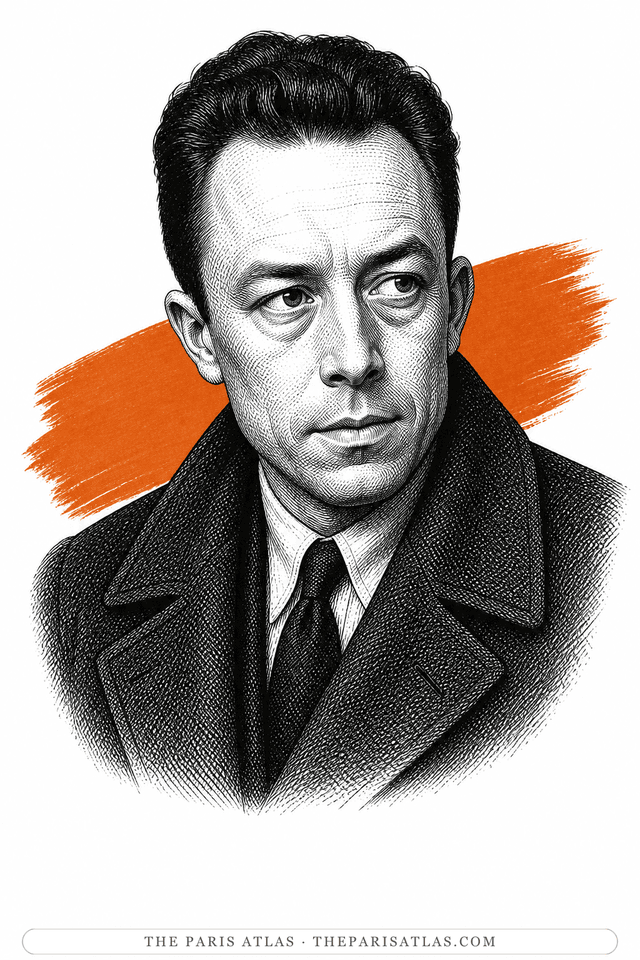
Albert Camus
French Algerian novelist, essayist, journalist and playwright who used the absurd and revolt to ask how people should live without false consolation.
View author