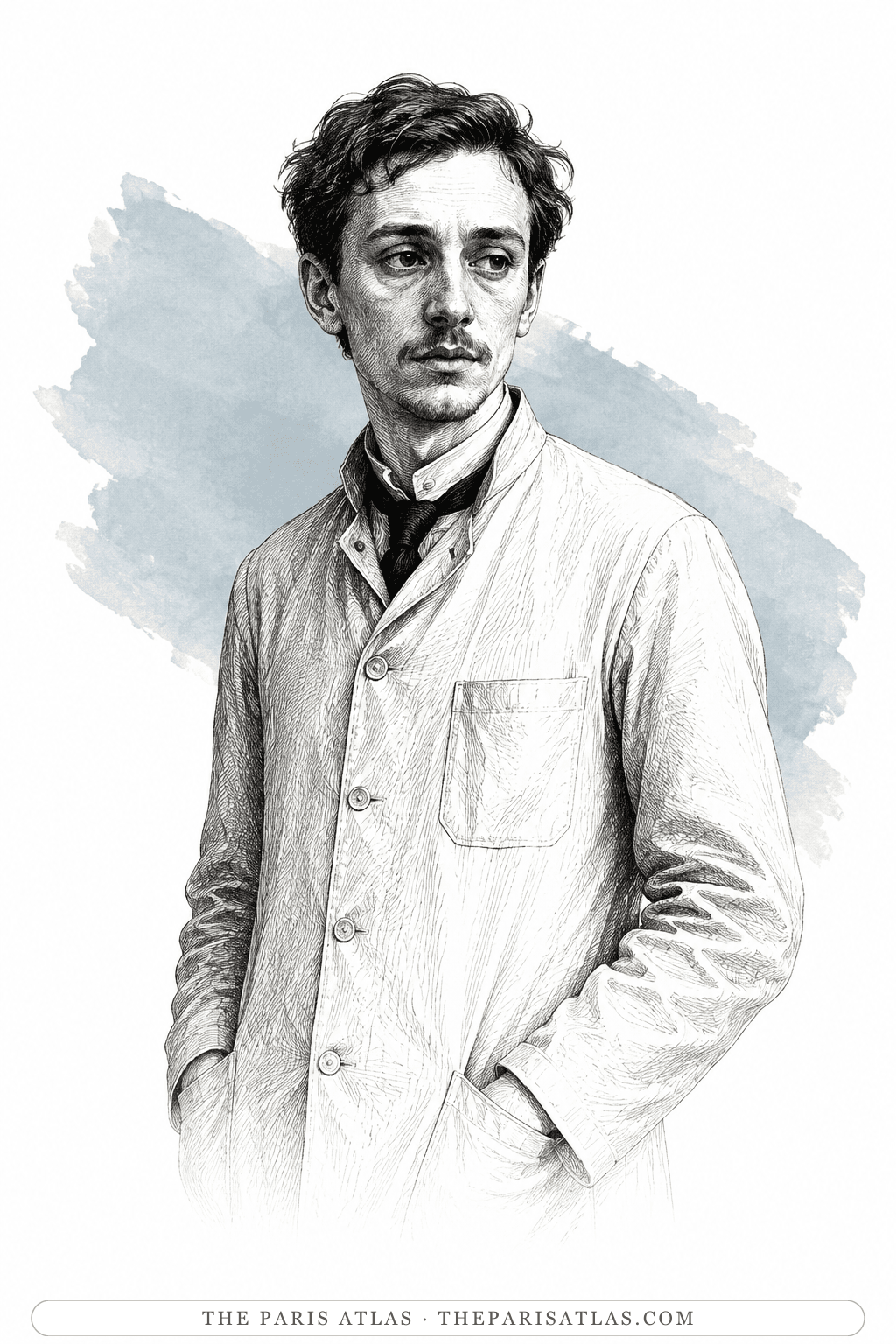
Dr. Sergei Polyakov
A young rural physician who can diagnose his morphine dependence but cannot translate knowledge into control.
To preserve the relief morphine gives him while remaining the competent doctor he increasingly can no longer be.
The book

At a glance
- Rural physician
- Journal inside Bomgard’s framing account
- Medical knowledge against severe morphine dependence
Who they are in the book
Spoiler-freePolyakov begins using morphine for real physical distress, not recreation. Immediate relief convinces him that he can manage repeated doses through medical intelligence and professional access.
As tolerance grows, his careful observations become records of excuse, fear, concealment, and failed withdrawal. His ability to describe the addiction makes his inability to stop especially painful.
How Dr. Sergei Polyakov Is Portrayed
- Young Russian physicianHis early-Soviet medical clothing establishes his profession and period.
- Exhausted eyesInsomnia and dependence become visible without turning him into a caricature.
- Precise handsMedical skill remains real even as self-control deteriorates.
- Rural isolationHis reserved bearing suggests long responsibility without close support.
- Clinical self-observationHe repeatedly tries to turn experience into diagnosis.
- Increasing urgencyComposure gives way as access, dosage, and withdrawal consume attention.
Polyakov’s attempts to stop fail. He shoots himself, dies after being brought to Bomgard, and leaves the journal as the surviving account of his addiction.
If you like Morphine


If you like Mikhail Bulgakov
Explore authors with a similar voice, perspective, and influence.
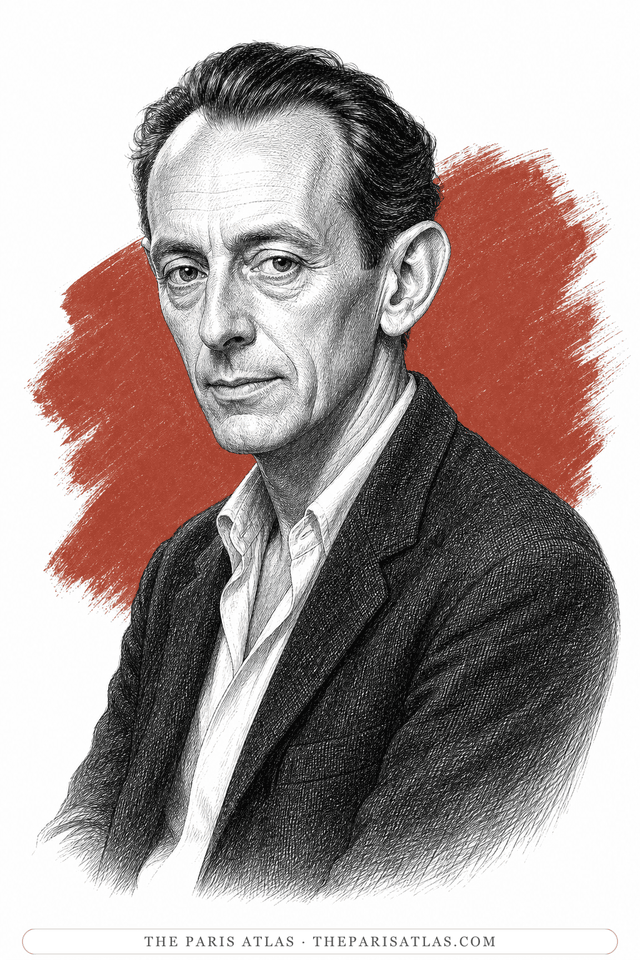
Paul Bowles
American novelist and composer whose expatriate fiction explores dislocation, unstable intimacy, fatalism, and North Africa.
View author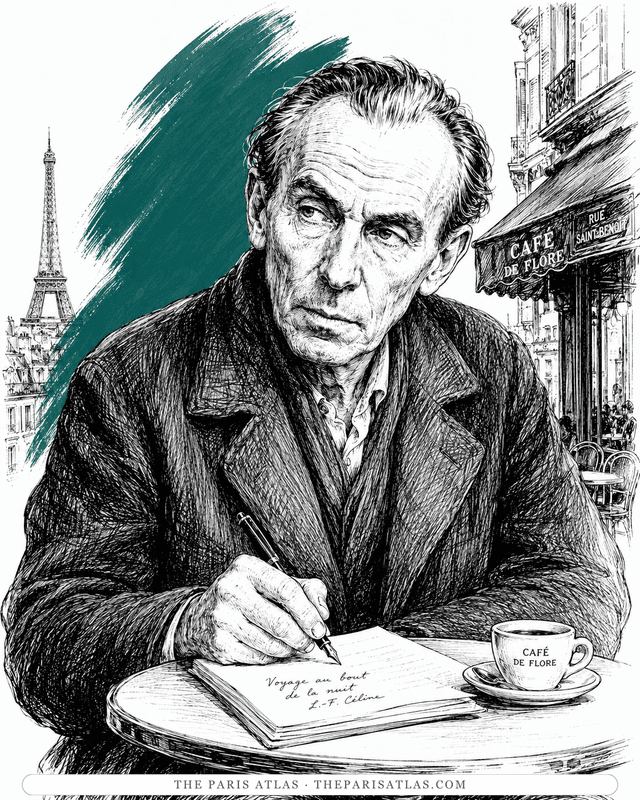
Louis-Ferdinand Céline
The doctor of the Paris slums who wrote the century's blackest, funniest novel — and changed the sound of French prose.
View author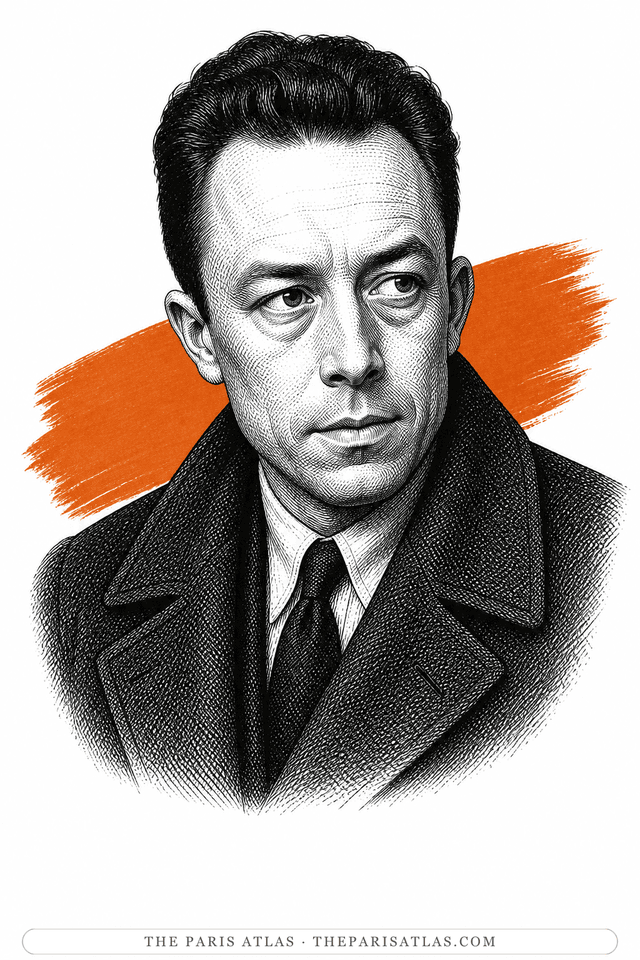
Albert Camus
French Algerian novelist, essayist, journalist and playwright who used the absurd and revolt to ask how people should live without false consolation.
View author