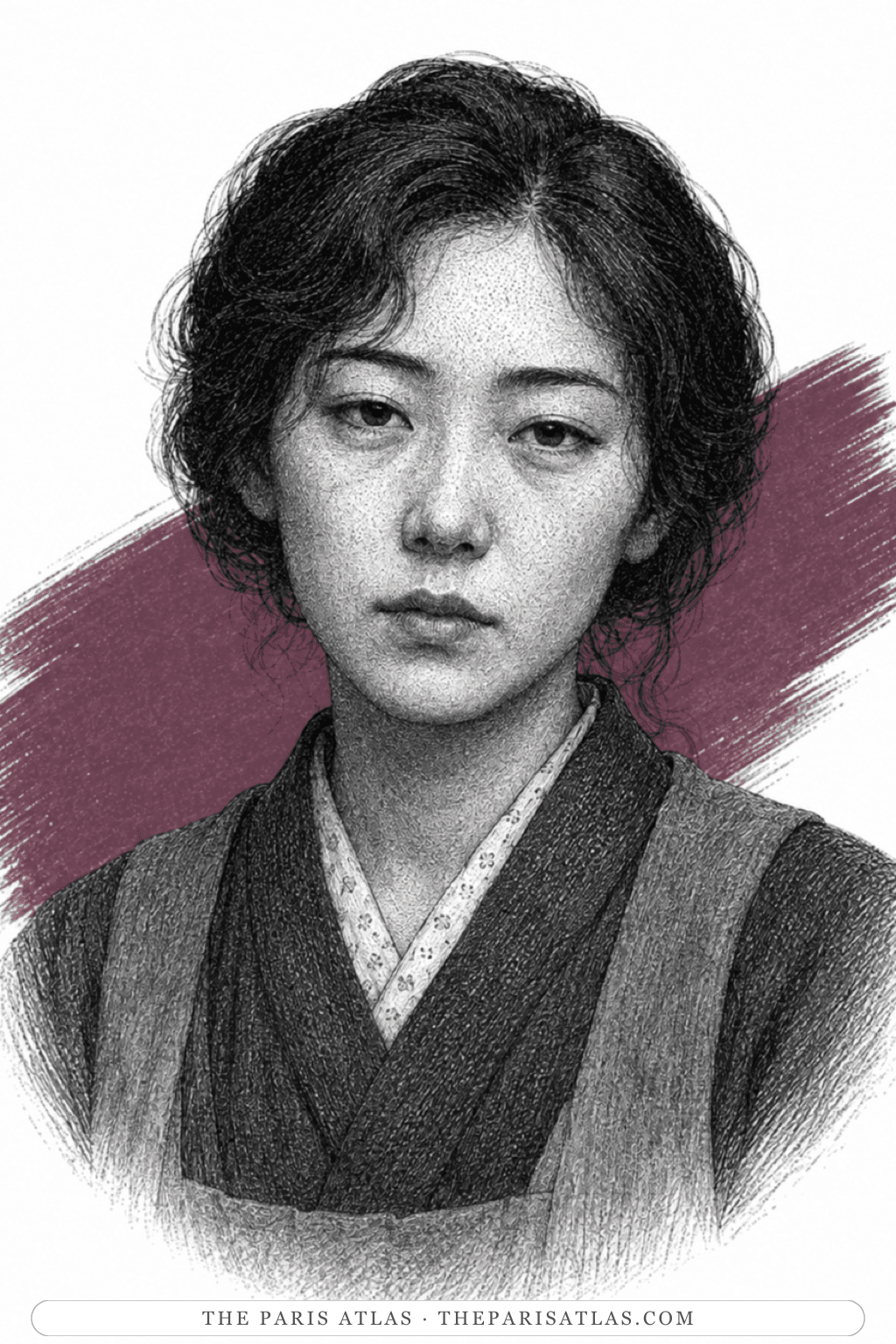
Tsuneko
A café hostess whose brief bond with Yōzō leads to a double-suicide attempt that she does not survive.
To find relief from an exhausted life and a connection with someone who appears to understand her despair.
The book

At a glance
- Café hostess
- A desperate attachment with Yōzō
- The double-suicide attempt
Who they are in the book
Spoiler-freeTsuneko and Yōzō recognize a shared exhaustion in each other. Their attachment is brief, but Yōzō interprets it as one of the few moments in which another person’s unhappiness resembles his own.
Her life cannot be reduced to the event of her death. She is a working woman under financial and emotional strain before she becomes part of Yōzō’s story about his shame.
How Tsuneko Is Portrayed
- Young working womanHer bearing reflects difficult experience.
- Late-1920s urban clothesHer appearance is historically grounded.
- Weary dignityShe is not romanticized as doomed.
- Quiet expressionShared fatigue draws Yōzō toward her.
- Close engraved bustNo water or suicide imagery appears.
- Muted plum accentThe color is somber without becoming theatrical.
Tsuneko dies in the double-suicide attempt while Yōzō survives. Her death becomes central to his shame, although the novel gives her far less narrative space than it gives his response.
If you like No Longer Human


If you like Osamu Dazai
Explore authors with a similar voice, perspective, and influence.
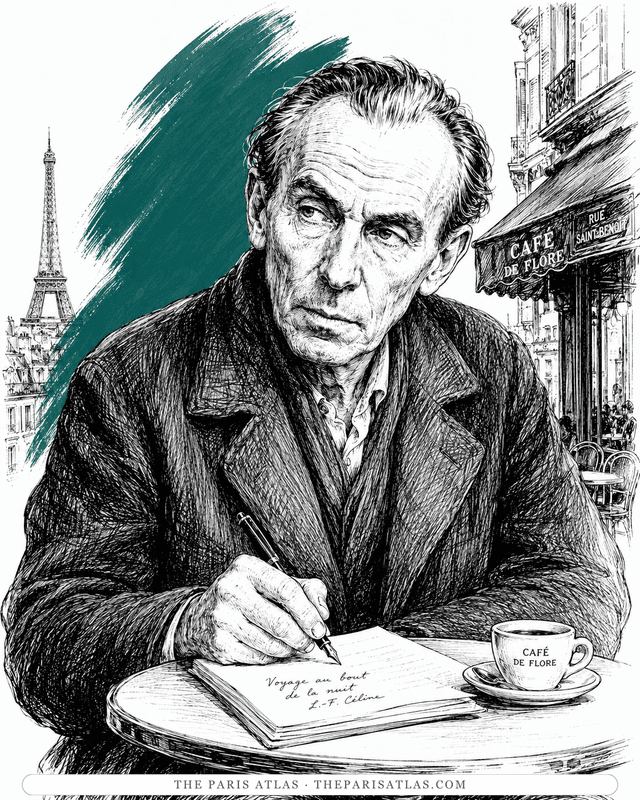
Louis-Ferdinand Céline
The doctor of the Paris slums who wrote the century's blackest, funniest novel — and changed the sound of French prose.
View author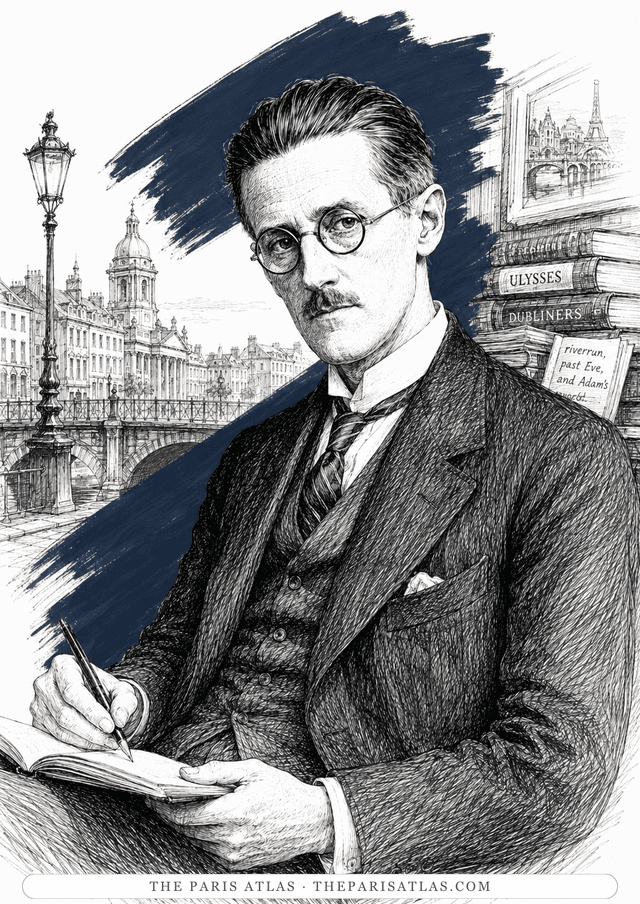
James Joyce
Dublin's great exile — he left Ireland at twenty-two, carried the city with him through Trieste, Zurich, and Paris, and rebuilt it entire in Ulysses.
View author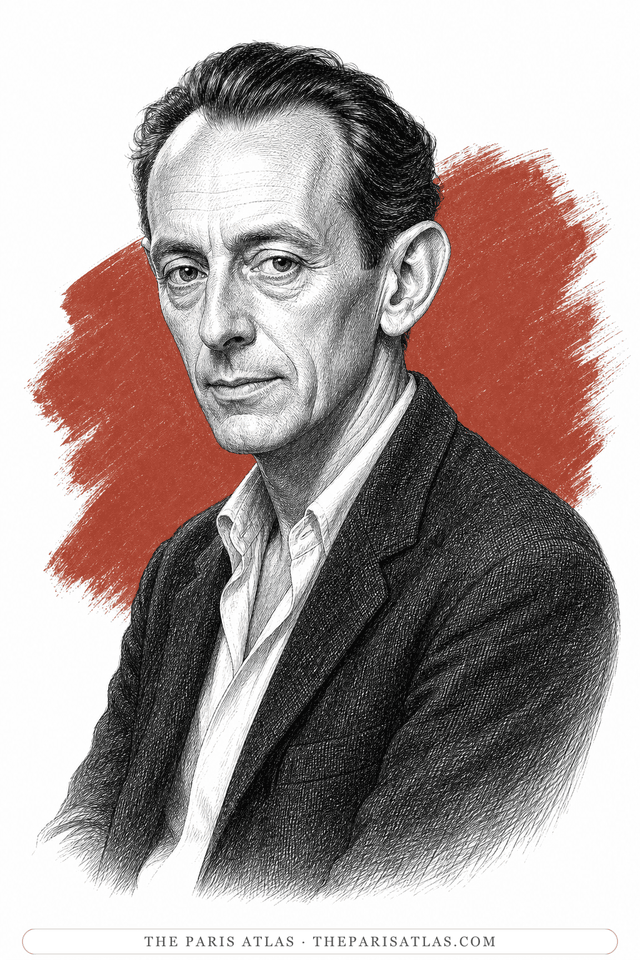
Paul Bowles
American novelist and composer whose expatriate fiction explores dislocation, unstable intimacy, fatalism, and North Africa.
View author