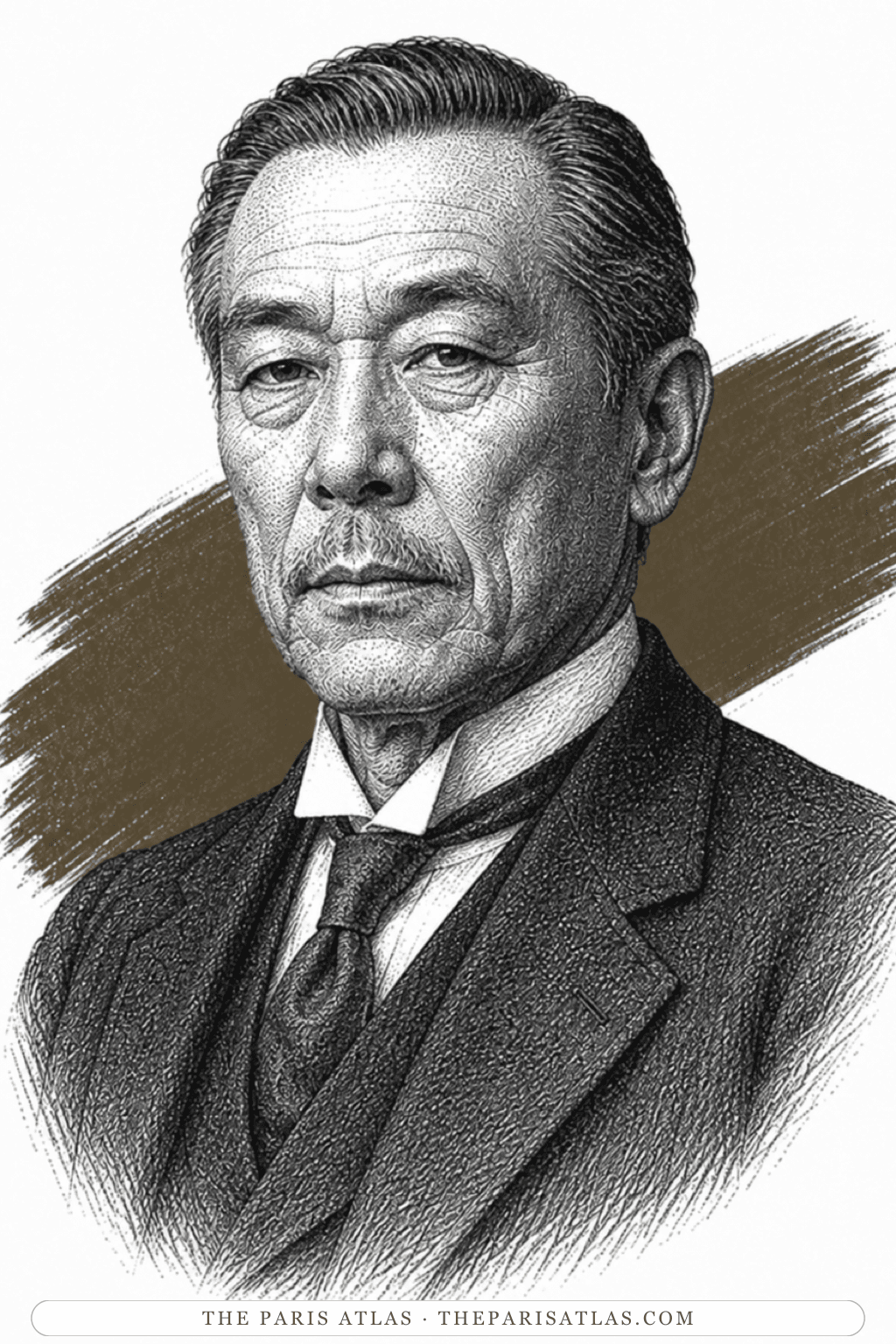
Yōzō’s father
The wealthy patriarch whose authority and expectations shape Yōzō’s early fear of exposure.
To preserve family standing and guide Yōzō into the respectable conduct expected of a privileged son.
The book

At a glance
- Yōzō’s father
- Wealthy landowning elite
- Authority, expectation, and material support
Who they are in the book
Spoiler-freeYōzō’s father belongs to a powerful landowning and political family. His authority is often experienced indirectly, through the household’s rules, material support, and the fear of displeasing him.
The family can rescue Yōzō financially and confine him physically, but it never gives him a language for fear or intimacy. Support and control remain difficult to separate.
How Yōzō’s father Is Portrayed
- Formal wealthy patriarchClass authority is central to his bearing.
- Period elite dressWesternized formal clothing suits his public status.
- Reserved expressionPower does not require visible rage.
- Distant postureYōzō experiences him through fear.
- Close engraved bustNo estate, parliament, or family scenery appears.
- Muted charcoal-brown accentThe restrained color suits paternal authority.
Yōzō’s family repeatedly intervenes after crises. By the final confinement, family power helps determine where and how he lives even after his father’s death.
If you like No Longer Human


If you like Osamu Dazai
Explore authors with a similar voice, perspective, and influence.
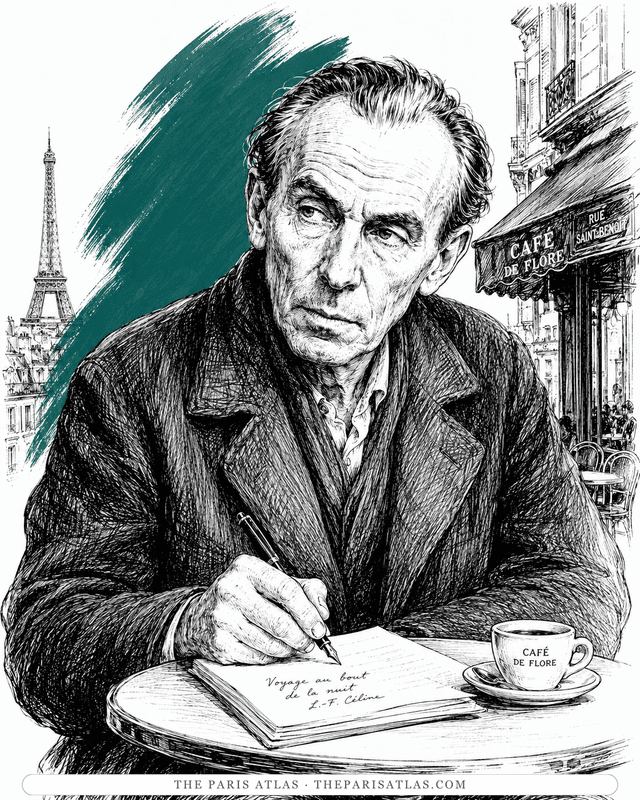
Louis-Ferdinand Céline
The doctor of the Paris slums who wrote the century's blackest, funniest novel — and changed the sound of French prose.
View author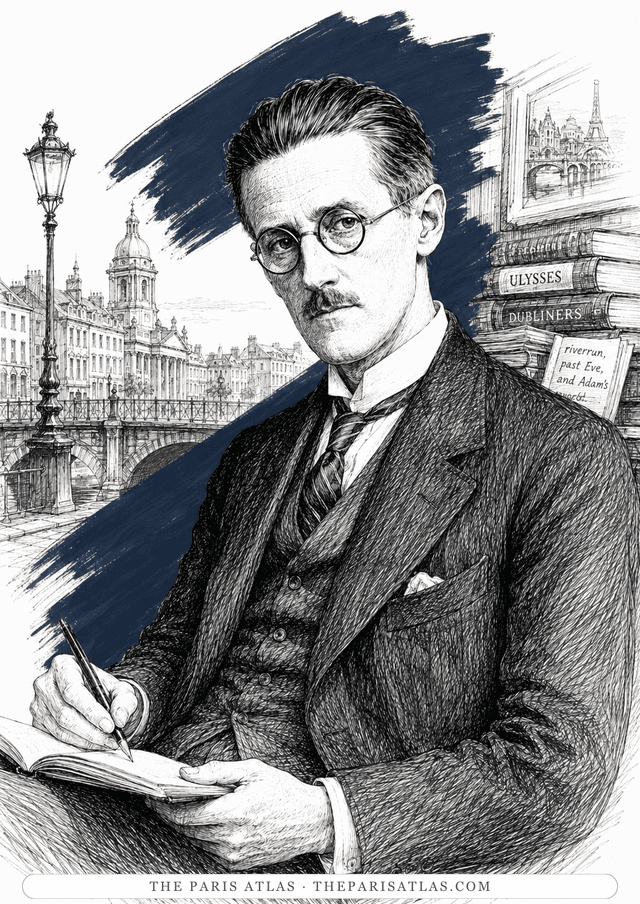
James Joyce
Dublin's great exile — he left Ireland at twenty-two, carried the city with him through Trieste, Zurich, and Paris, and rebuilt it entire in Ulysses.
View author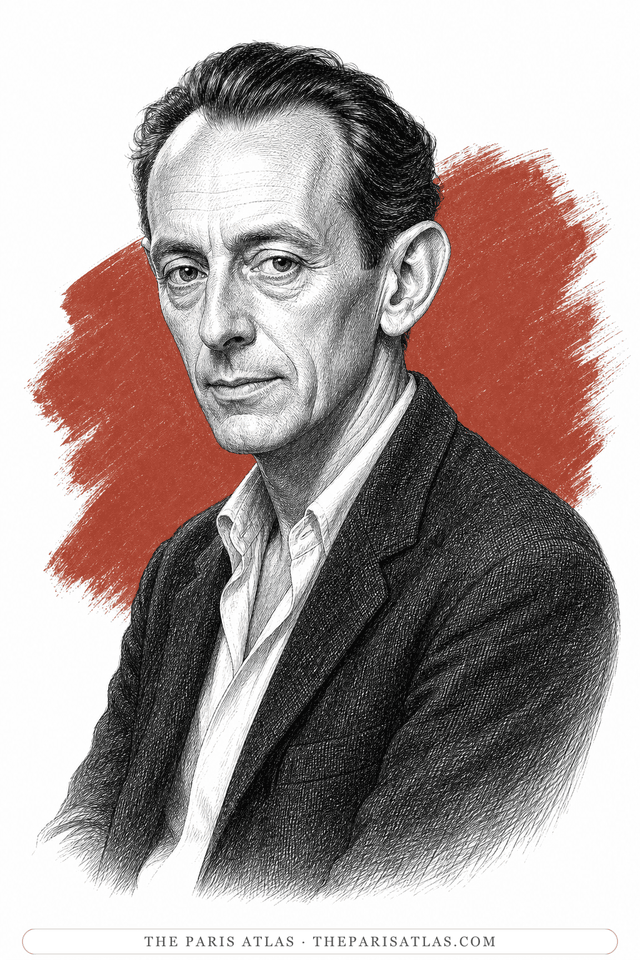
Paul Bowles
American novelist and composer whose expatriate fiction explores dislocation, unstable intimacy, fatalism, and North Africa.
View author