Yoshiko
The trusting young woman Yōzō marries, whose openness briefly makes stability seem possible.
To love Yōzō openly and build an ordinary married life without adopting the suspicion through which he sees other people.
The book

At a glance
- Yōzō’s wife
- Trust
- She survives sexual assault
Who they are in the book
Spoiler-freeYoshiko’s trust is the quality Yōzō most values because he believes it has escaped the suspicion and performance governing everyone else. Marriage to her offers him a period of relative calm.
After she is sexually assaulted, Yōzō makes the event central to his own collapse. A clear reading must also recognize Yoshiko as the person harmed, not merely the symbol of innocence he believes he has lost.
How Yoshiko Is Portrayed
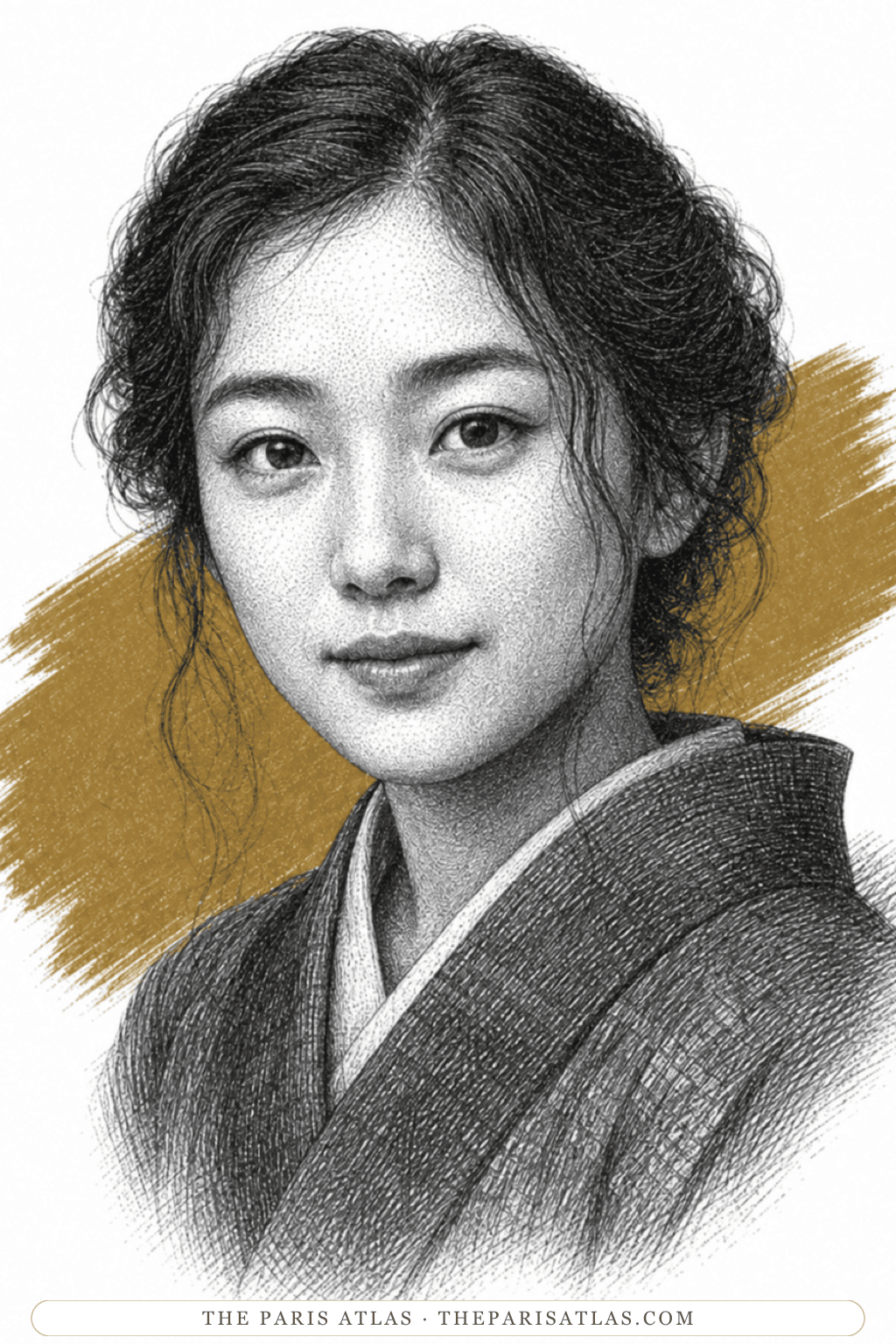
- Young Japanese womanShe is clearly an adult but younger than Shizuko.
- Simple 1930s clothingHer appearance is modest and historically grounded.
- Open expressionTrust is visible without childishness.
- Independent presenceShe is not defined only by trauma.
- Close engraved bustNo domestic setting or assault imagery appears.
- Muted ochre accentWarm color supports her openness.
Yoshiko survives the assault, but Yōzō’s trust collapses and his addiction worsens. The novel does not give her a fully developed independent ending.
If you like No Longer Human


If you like Osamu Dazai
Explore authors with a similar voice, perspective, and influence.
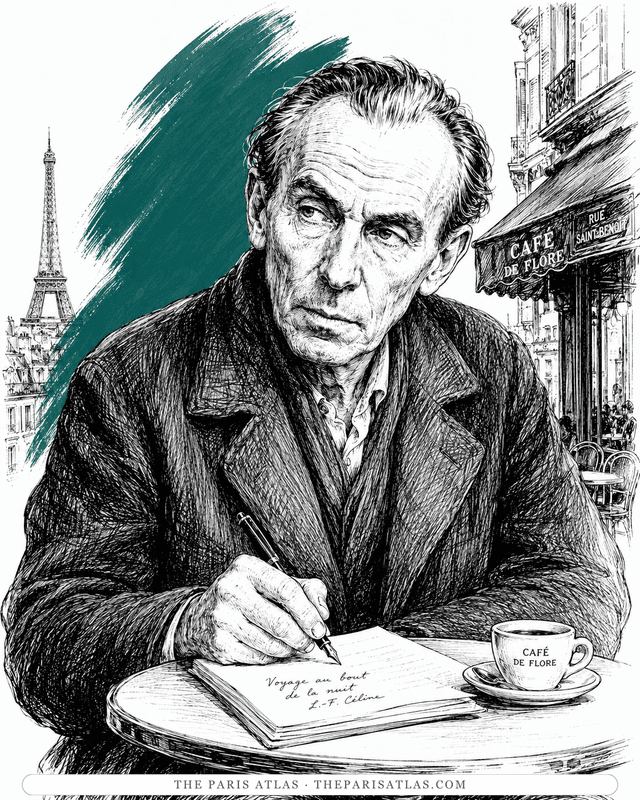
Louis-Ferdinand Céline
The doctor of the Paris slums who wrote the century's blackest, funniest novel — and changed the sound of French prose.
View author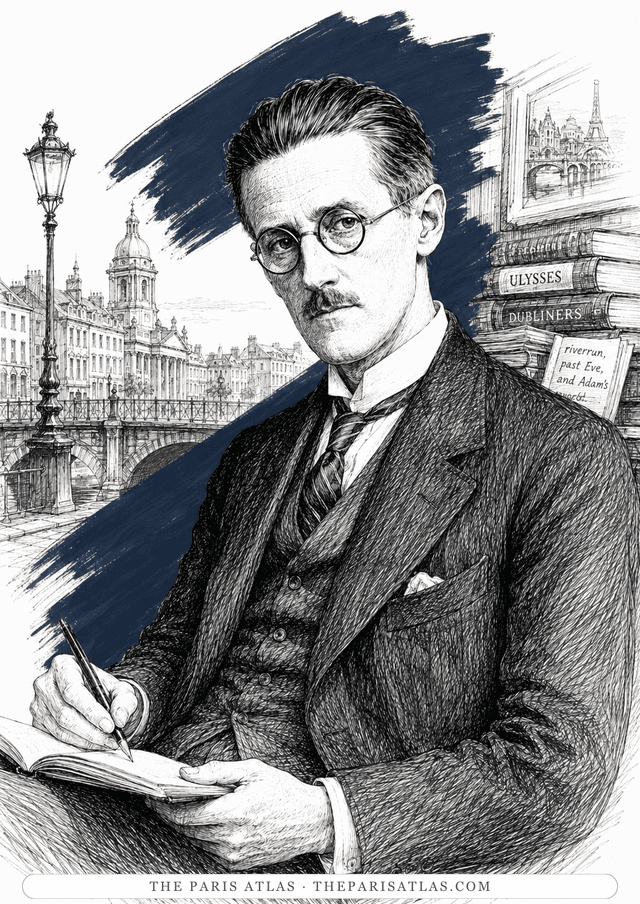
James Joyce
Dublin's great exile — he left Ireland at twenty-two, carried the city with him through Trieste, Zurich, and Paris, and rebuilt it entire in Ulysses.
View author
Paul Bowles
American novelist and composer whose expatriate fiction explores dislocation, unstable intimacy, fatalism, and North Africa.
View author