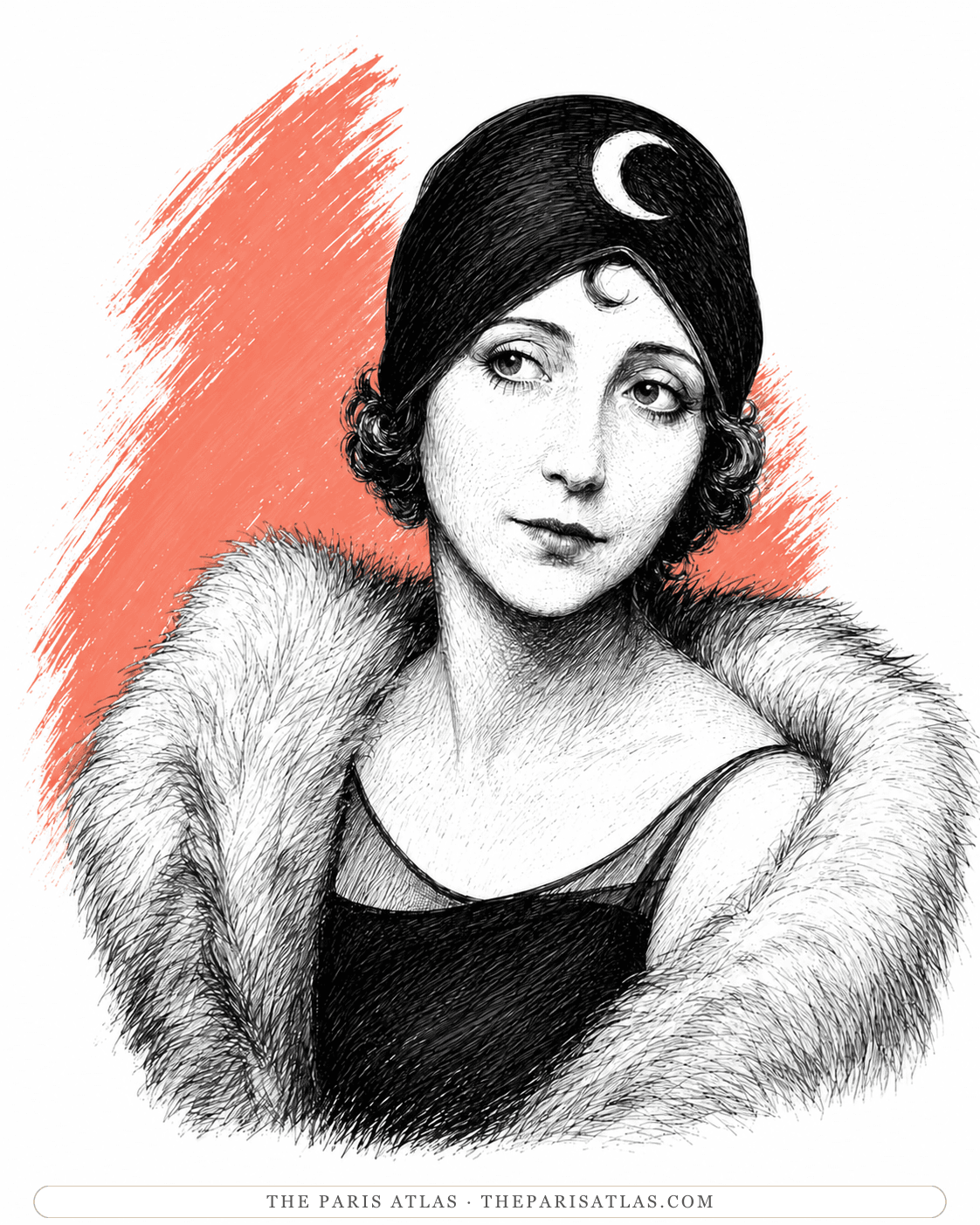


On Writing
by Anaïs Nin
The 1947 credo: writing from the unconscious outward — Nin's working method, stated in a pamphlet's span.
- 1947
About Anaïs Nin
The story, briefly
Spoiler-freeThe second of Nin's forties pamphlets carries the argument of Realism and Reality from defense to instruction: how the psychological writer actually works. Drawing on the diary practice, the analysis years, and the composition of the early novels, On Writing (1947) sets out her credo — begin from the unconscious image, trust intuition over plan, and revise toward intensity rather than explanation. A few pages long and quoted from ever since. (An essay — nothing to spoil.)
The story, in more detail
Where the 1946 pamphlet argued with reviewers, this one talks to writers. Nin describes the method the diary had taught her: the entry written hot, the image trusted before it is understood, the distinction between writing that records and writing that discovers. The essay's advice runs against the era's workshop wisdom — plan less, explain less, keep the temperature — and toward the practice her students and lecture audiences would press her about for the next thirty years.
Issued in 1947 in the same little-pamphlet culture as its predecessor, it survived the format: the text was folded into her later essay collections, and its phrases about writing from the unconscious became fixtures of her lectures and of A Woman Speaks. As a pair, the two pamphlets are the continuous novel's theory — one negative, one positive — written while the novels themselves were appearing.
What's inside
A working credo in brief: the unconscious as source, the diary as training ground, intuition as discipline rather than indulgence, and revision as the pursuit of intensity. Nin illustrates from her own practice — how the fiction grows out of the journal's images — and addresses the young writer directly, in the voice her later lecture years made famous.
Themes and analysis
The diary as a beginning
Nin's account of her diary contains a useful qualification: she is not prescribing diary-keeping to every writer. She wants to transfer discoveries from one practice to another. That distinction shifts attention from the notebook itself to the freedom it permits. Choosing only what genuinely interests her produces material with an energy that formal composition can lose. The lesson is therefore less about faithfully documenting each day than about recognizing where attention becomes most alive. A private habit becomes a method when its effects can be understood beyond its original setting.
From private pages to shared practice
The comparison with a pianist complicates any idea that spontaneity means waiting for inspiration. Nin recommends repeated attempts to capture an experience, while warning that relentless correction of a single page can drain it. These are different kinds of persistence: one renews the writer's encounter with the subject; the other risks narrowing that encounter to already fixed sentences. Practice prepares the eventual story through accumulated experiments. Her argument does not dispense with artistic standards, but asks how the pursuit of them can keep language responsive rather than merely polished.
Why we recommend it
Method, not mystique
The practical half of her criticism: how the interior novel actually gets written.
The diary explained
The clearest early statement of what sixty years of journal-keeping was for.
A few pages, long echo
The credo her lecture decades kept returning to, in its first form.
What this book explores
Timeline
1947
The pamphlet appears, a year after Realism and Reality, completing the pair.
1970s
Its credo anchors the lecture years recorded in A Woman Speaks.
2011
The Portable Anaïs Nin includes the complete On Writing, bringing the short work into a retrospective selection.
Book editions
Paperback
- Paperback
- 1947
Reader reviews
Readers may also like


On Writing: frequently asked questions
What is On Writing?
A short 1947 essay by Anaïs Nin, issued as a pamphlet, setting out her method: writing from the unconscious outward, with the diary as the training ground.
How does it differ from Realism and Reality?
The 1946 pamphlet defends her kind of fiction against realist expectations; On Writing turns to instruction — how such writing is actually produced.
Is the advice still read?
Yes — the text was folded into her later essay collections, and its themes anchored her lectures for decades.
Where can I read it today?
In collections of her essays and criticism; the original 1947 pamphlet is a collector's item.
What is its central advice?
Trust the image before you understand it. Begin from the unconscious, keep the temperature of the first impulse, and revise toward intensity rather than explanation.
If you like Anaïs Nin
Explore authors with a similar voice, perspective, and influence.

Henry Miller
The entangled careers of the Villa Seurat: she financed and prefaced his scandal, he detonated her prose — and each wrote the other into the century's record.
View author
Louis-Ferdinand Céline
The doctor of the Paris slums who wrote the century's blackest, funniest novel — and changed the sound of French prose.
View author
Martha Gellhorn
War correspondent who covered the Spanish Civil War, D-Day, and conflicts across five more decades; Hemingway's third wife, 1940–1945.
View author
References
References
The sources below include the primary text, editions, scholarship, archival materials, and other records that informed this page. They document On Writing, its publication, and its place in literary history.


1On Writing
NovelAnaïs Nin, 1947Used forThe primary text represented by this page, used for descriptions of the work’s contents and for any quoted passages shown here.
2Anaïs Nin — biography
WebsiteThe Anaïs Nin FoundationUsed forUsed to verify On Writing's bibliographic context and its place within Anaïs Nin's published work.

3Anaïs Nin Papers — diary, March–September 1938
ArchiveUCLA Library Special CollectionsUsed forUsed for independent archival, institutional, or historical context surrounding Anaïs Nin and On Writing.
4Anaïs Nin: A Biography
BiographyG. P. Putnam's Sons, 1995Used forUsed to cross-check chronology, publication history, and the circumstances in which On Writing appeared.
5Anaïs: The Erotic Life of Anaïs Nin
BiographyLittle, Brown, 1993Used forUsed for an additional scholarly or biographical perspective on On Writing and Anaïs Nin's wider career.
6on writing — edition and reception record
WebsiteOverDriveUsed forDocuments the dated edition or contemporary reception included in the timeline.
7Anaïs Nin – We Write to Taste Life Twice — quoted On Writing passages
WebsiteByron's Muse, 2018Used forSelected On Writing passages reproduced under The Importance of Diary; quotation-based close reading, not a complete 1947 edition.
i
Why these sources are here
The primary text is the baseline reference for every book page. Additional references document publication history, interpretation, and historical context where that evidence is available.
 Explore more resources