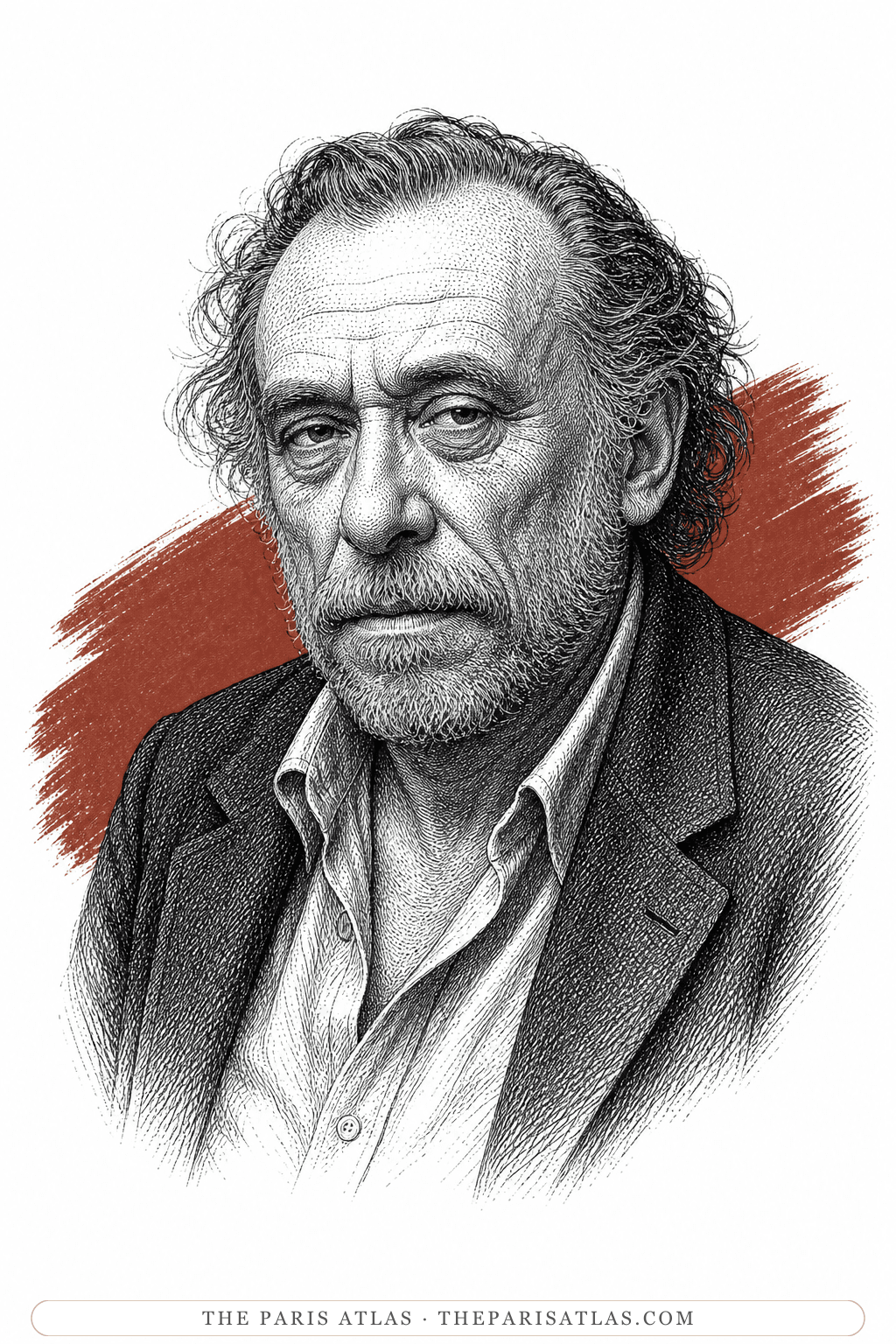

The Last Night of the Earth Poems
The final lifetime poetry collection, two years later.
Read our take
Eighty poems and twenty stories shuffled together, published the year Bukowski turned seventy and named for it.
Septuagenarian Stew, published by Black Sparrow Press in 1990, is a 384-page volume mixing eighty poems with twenty short stories, interleaved rather than separated into sections. The title is literal: Bukowski turned seventy that year, and the book is the stew a septuagenarian makes of his own material. The mixing is the formal point. Bukowski had published poetry and prose in separate books for thirty years, and here they run together in the order he wanted them, so a story about the racetrack can sit against a poem about the same afternoon.
By 1990 Bukowski had been famous for more than a decade and settled in San Pedro for twelve years. A writer that established can tell his publisher how he wants a book arranged, and this one is arranged the way he wanted: the two forms together instead of in separate volumes.
“ruin” starts with Saroyan’s complaint about marrying the same woman twice, then refuses to make one marriage the explanation for human disappointment. Its direct reply widens an individual grievance into shared vulnerability. The decisive shift comes when other people’s damaged lives become recognizable through our own experience. The gladiola belongs to a list that also includes a storm and an empty kitchen shelf. Beauty does not cancel deprivation; placing them together challenges the comforting idea that suffering happens outside ordinary existence, to a separate class of people.
In “tired in the afterdusk,” music from the radio opens a pause in the speaker’s sense of continual struggle. Old organ music and a rented video coexist in different rooms, giving the evening both historical depth and domestic ordinariness. The August 1986 manuscript moves from a dead mosquito to an image of the speaker as an aging dog resting in shade. That movement acknowledges exhaustion without making rest a final surrender. The closing readiness qualifies the peace: this is a temporary release from conflict, not a claim that conflict has ended.
Poetry and prose interleaved by the author rather than separated by a publisher — a late freedom, and it reads well.
Written and titled from inside old age, four years before the end.
Moving from a poem to a story alters the pace of reading and makes the differences between the forms noticeable.
1990
Bukowski turns seventy in August; Black Sparrow publishes the volume the same year.
1992
The Last Night of the Earth Poems follows — the final lifetime poetry collection.
2009
Ecco releases an ebook edition of the mixed story-and-poetry collection.

The final lifetime poetry collection, two years later.
Read our take

The last story collection he assembled on its own, before the forms were mixed.
Read our takeA 1990 Black Sparrow volume mixing eighty Charles Bukowski poems with twenty short stories across 384 pages, interleaved rather than sorted into sections.
Bukowski turned seventy in 1990, the year it was published. The word is both the joke and the plain description.
Because Bukowski wanted them that way. He had published the two forms in separate books for thirty years; here they run in his own order, so a story and a poem about the same afternoon can sit together.
Late. Only The Last Night of the Earth Poems (1992) and the novel Pulp (1994) were published after it in his lifetime.
Not the first book, but a good second or third. It rewards a reader who already knows both the poetry and the stories.
Explore authors with a similar voice, perspective, and influence.
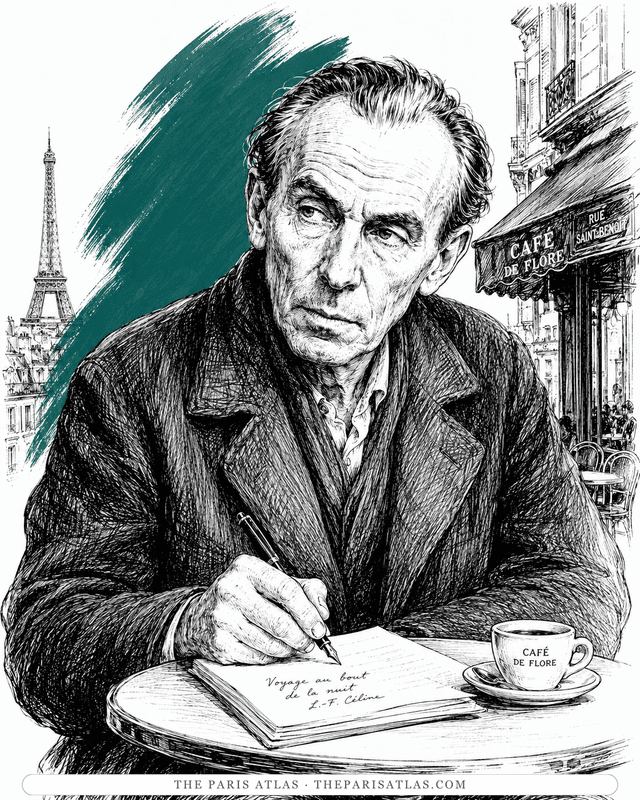
The doctor of the Paris slums who wrote the century's blackest, funniest novel — and changed the sound of French prose.
View author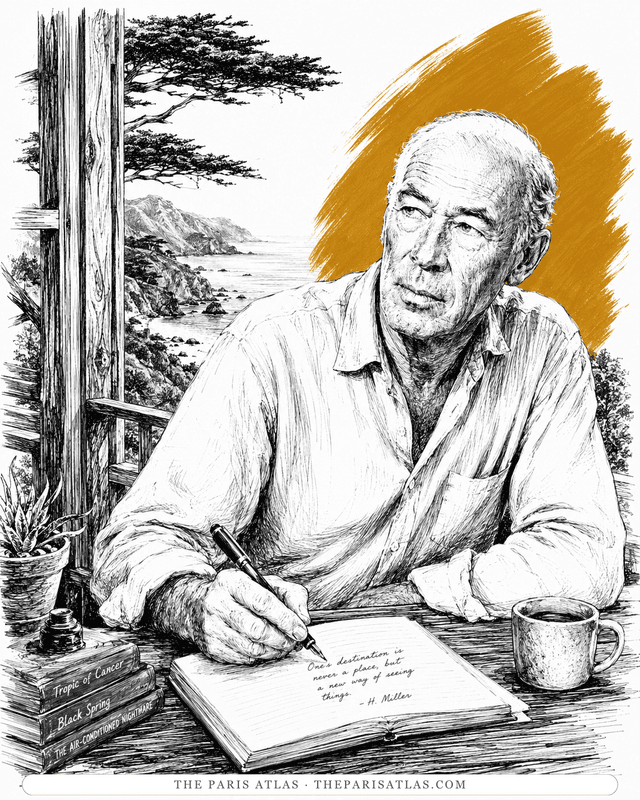
The Brooklyn dropout who arrived in Paris broke at thirty-eight and wrote the exuberant, banned books that ended American censorship.
View author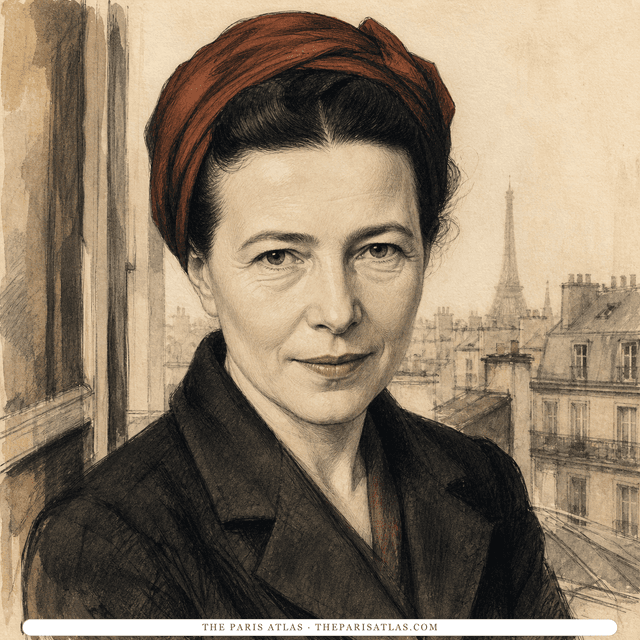
French writer and philosopher whose novels, memoirs, and social analysis examined freedom, gender, responsibility, aging, and the material conditions that shape a life.
View authorThe sources below include the primary text, editions, scholarship, archival materials, and other records that informed this page. They document Septuagenarian Stew, its publication, and its place in literary history.


The primary text represented by this page, used for descriptions of the work’s contents and for any quoted passages shown here.
Publication year, the contents count, and the late chronology.
Bibliographic details checked against the checklist.
The San Pedro years and the settled late practice.
Web source consulted for documented facts and historical context presented on the Septuagenarian Stew page.

Primary text included as part of the documented record for Septuagenarian Stew.

Archival evidence used to document the historical record connected to Septuagenarian Stew.
The primary text is the baseline reference for every book page. Additional references document publication history, interpretation, and historical context where that evidence is available.
 Explore more resources
 View source