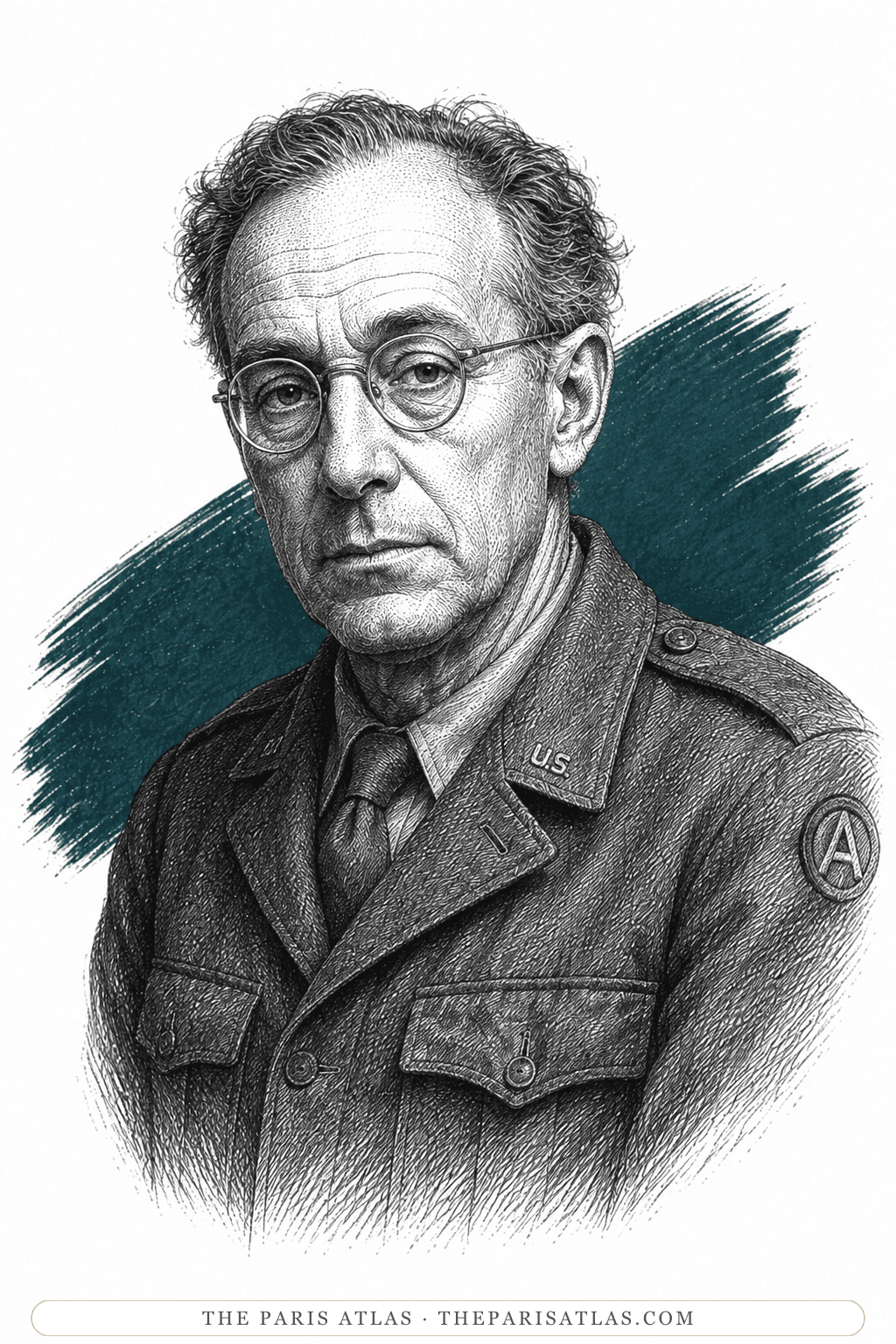
Edgar Derby
An older teacher and soldier whose decency survives longer than military logic does.
To remain decent, help the younger prisoners, and return to his family and teaching life.
The book

At a glance
- High-school teacher
- American POW
- Decency
Who they are in the book
Spoiler-freeDerby is older than most of the soldiers and tries to behave with ordinary courage and care. His seriousness makes him one of the book’s few figures who resembles a conventional moral center.
The disproportion between his survival in Dresden and execution for a minor theft becomes the novel’s sharpest example of official absurdity.
How Edgar Derby Is Portrayed
- Older schoolteacher-soldierAge and civilian vocation remain visible.
- Tired decent faceHe looks responsible rather than heroic.
- Period spectaclesA restrained detail suggests the teacher.
- Worn uniformThe war has reduced everyone’s dignity.
- Close engraved bustNo teapot or firing squad appears.
- Deep teal accentThe color suggests steadiness.
After surviving the bombing, Derby is executed by German authorities for taking a teapot from the ruins.
If you like Slaughterhouse-Five


If you like Kurt Vonnegut
Explore authors with a similar voice, perspective, and influence.
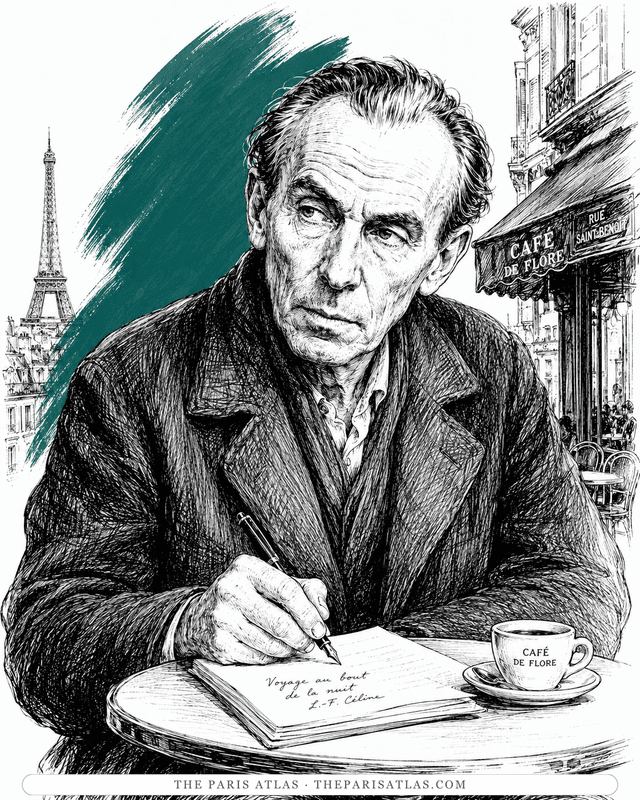
Louis-Ferdinand Céline
The doctor of the Paris slums who wrote the century's blackest, funniest novel — and changed the sound of French prose.
View author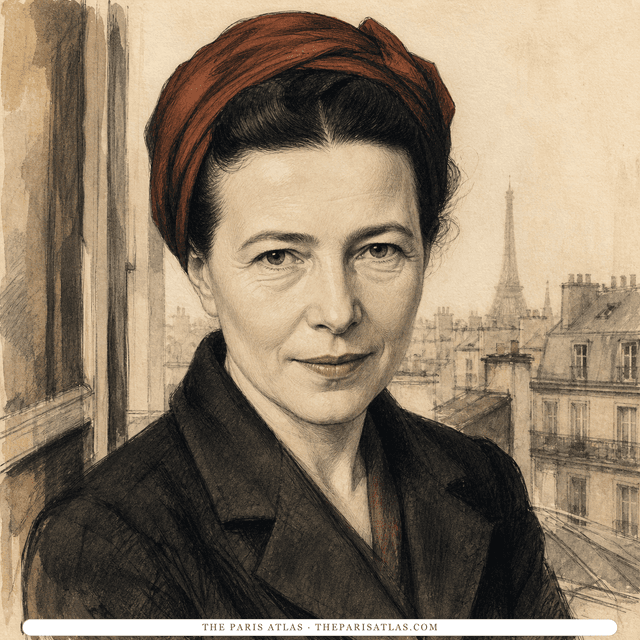
Simone de Beauvoir
French writer and philosopher whose novels, memoirs, and social analysis examined freedom, gender, responsibility, aging, and the material conditions that shape a life.
View author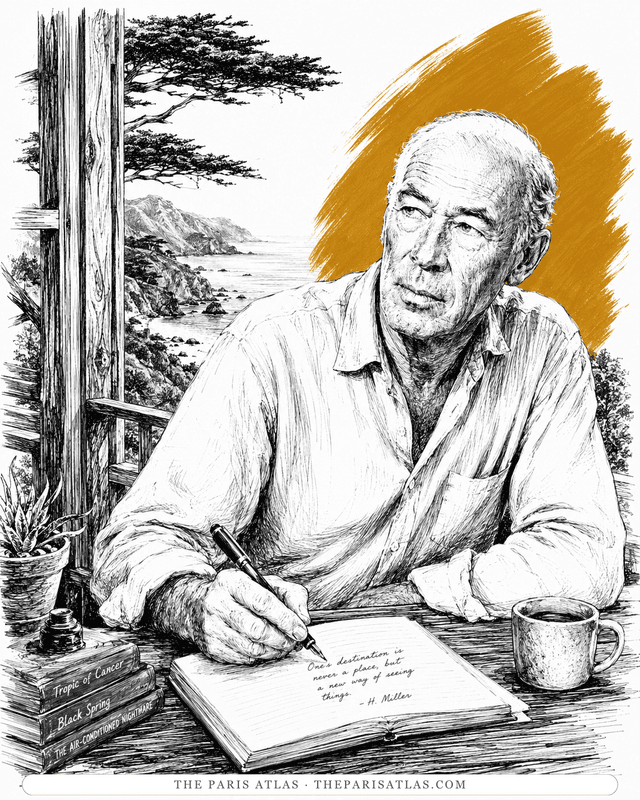
Henry Miller
The Brooklyn dropout who arrived in Paris broke at thirty-eight and wrote the exuberant, banned books that ended American censorship.
View author