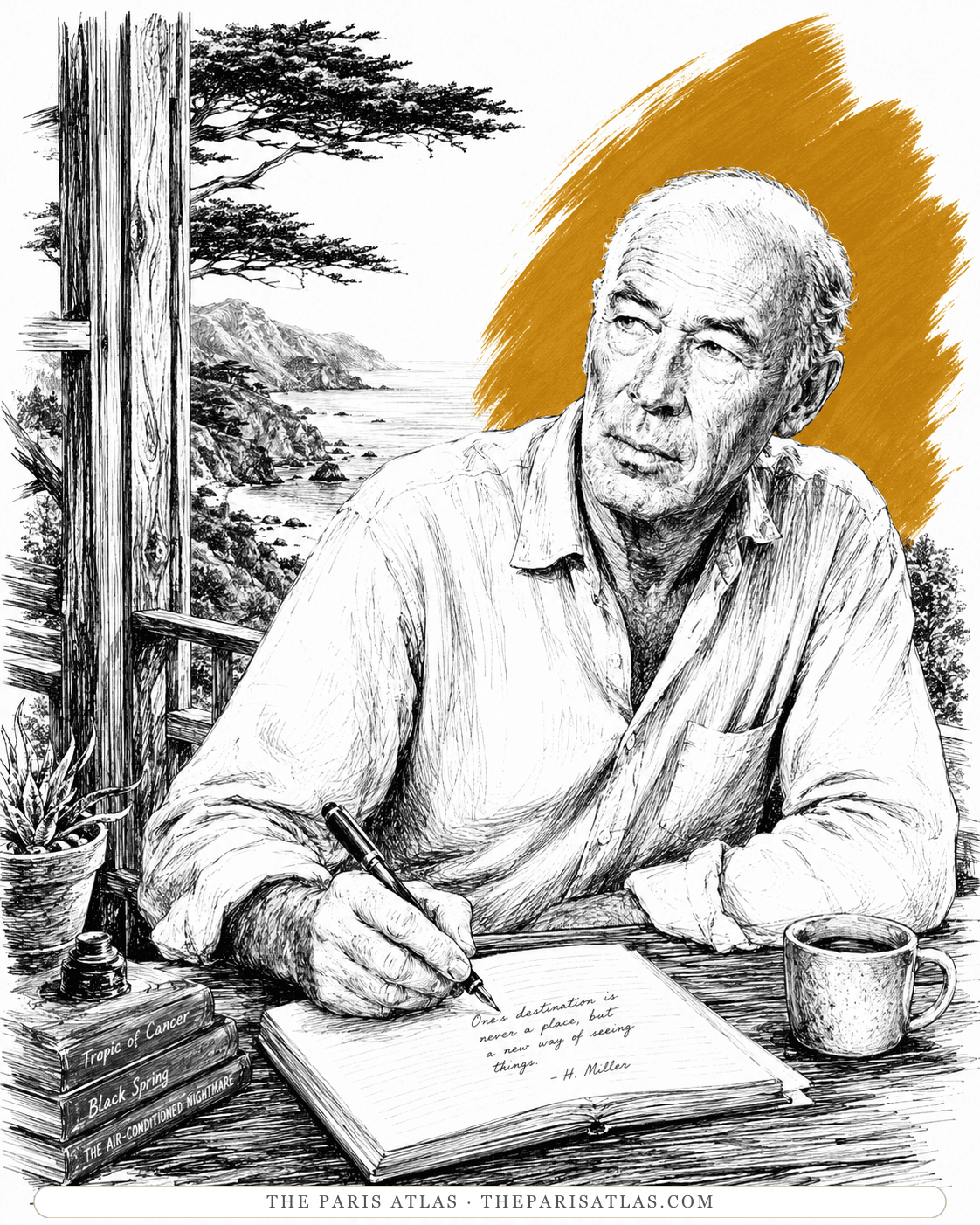
The painter-narrator
Miller as his own comic studio subject: blocked at the typewriter, liberated by the refusal to erase a bad horse.
To get unstuck and follow the image until it becomes something he could not have planned.
The book

At a glance
- Narrator, painter, critic, and butt of the joke
- Conversion rather than correction
- A horse remembered from ancient art
- A sad angel hovering above the improvised scene
- Henry Miller · 1891–1980 · New York and Paris
Who they are in the book
Spoiler-freeThe narrator is Henry Miller, recording the genesis of a watercolor so that the chain of accidents will not disappear behind the finished object.
He presents himself as impulsive, overfed with associations, and cheerfully suspicious of technical correctness. The joke is that every failure of draftsmanship becomes a new compositional decision.
How The painter-narrator Is Portrayed
- Blocked at the typewriterHe begins convinced that he will write, then spends the day collecting memories and annotations until the intended work becomes impossible.
- Distracting himselfA bicycle ride, an extravagant late lunch, wine, coffee, and a magazine all become attempted exits from the pressure in his head.
- Starting with a horseHe chooses an Etruscan or Ionian horse from memory and immediately discovers that its trunk, legs, skull, and mane refuse to agree.
- Refusing the eraserRather than remove a failed line, he converts it: an extra leg becomes an arm, and a bad mountain acquires a volcanic purpose.
- Letting color take commandCrimson turns the houses into a conflagration; the animal changes species and finally disappears beneath opaque paint.
- Recognizing the angelThe small figure with drooping body and umbrella-rib wings becomes an emblem for people waiting alone in railway stations.
If you like The Angel Is My Watermark


If you like Henry Miller
Explore authors with a similar voice, perspective, and influence.
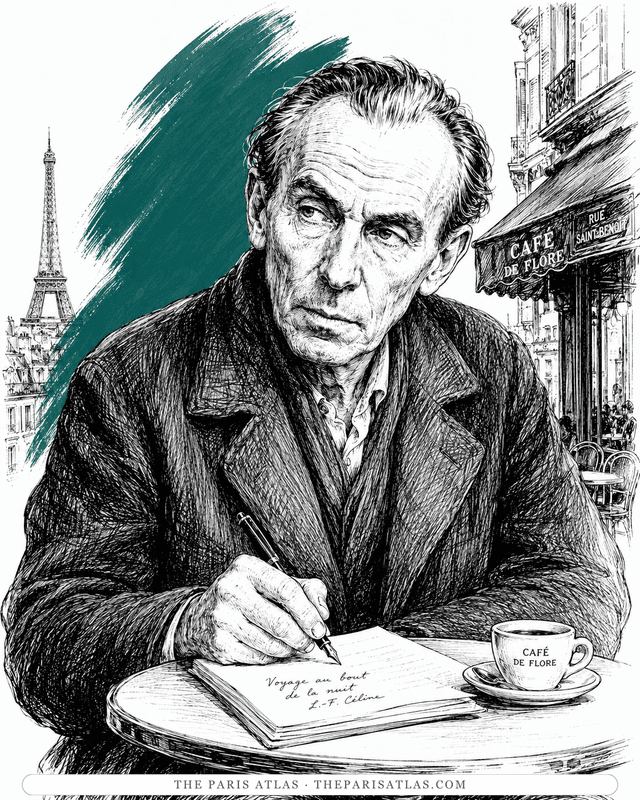
Louis-Ferdinand Céline
Miller's acknowledged master at making literature out of the gutter. Journey gave him permission; Cancer is what he did with it.
View author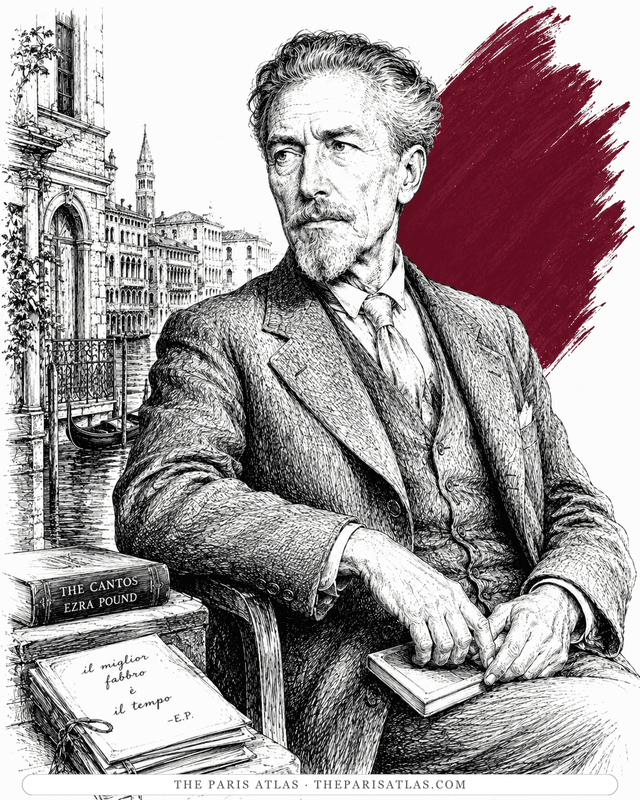
Ezra Pound
Pound read Cancer and sent Miller a famously backhanded postcard. Both believed literature's job was to wake the reader by any means necessary.
View author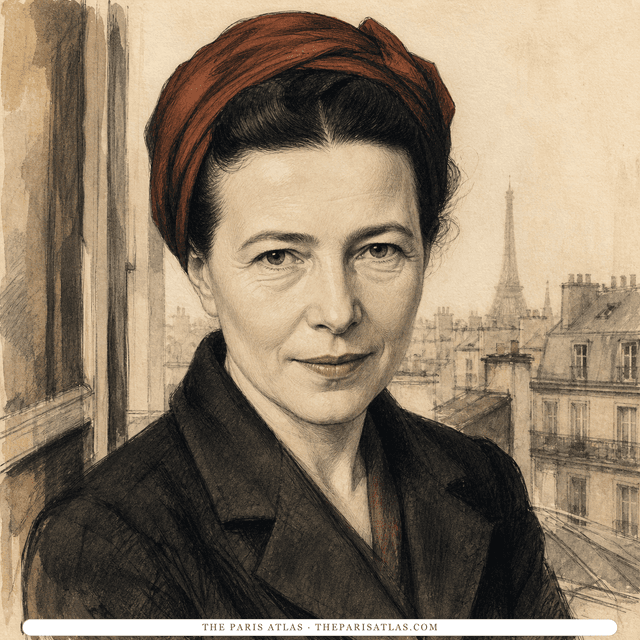
Simone de Beauvoir
French writer and philosopher whose novels, memoirs, and social analysis examined freedom, gender, responsibility, aging, and the material conditions that shape a life.
View author