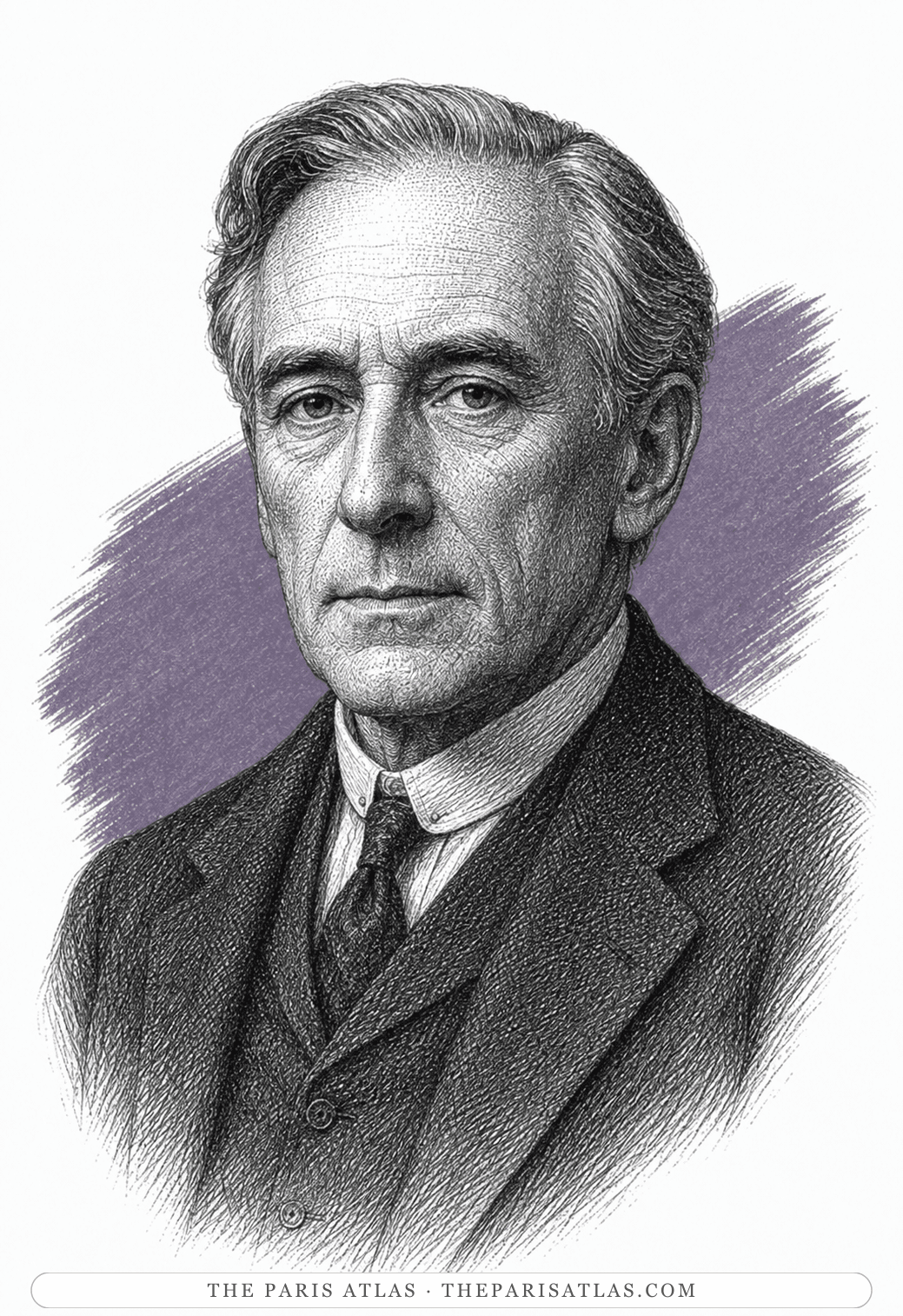
Bertie Raynes
Andrew's father, whose history with Dave broadens the novel's sense of hidden queer feeling across generations.
The book

Who they are in the book
Spoiler-freeBertie is Andrew's father and appears mostly through Dave's memories and family history.
Dave's earlier attachment to him suggests that Andrew's conflict is not unique to one wartime generation.
How Bertie Raynes Is Portrayed
- GenerationHe belongs to an earlier generation of English Quakers.
- DressSimple interwar clothing reflects his community.
- ExpressionRestraint suits his remembered rather than active presence.
- FunctionHis history broadens the novel's generational frame.
He is not a major active figure in the principal plot.
If you like The Charioteer


If you like Mary Renault
Explore authors with a similar voice, perspective, and influence.
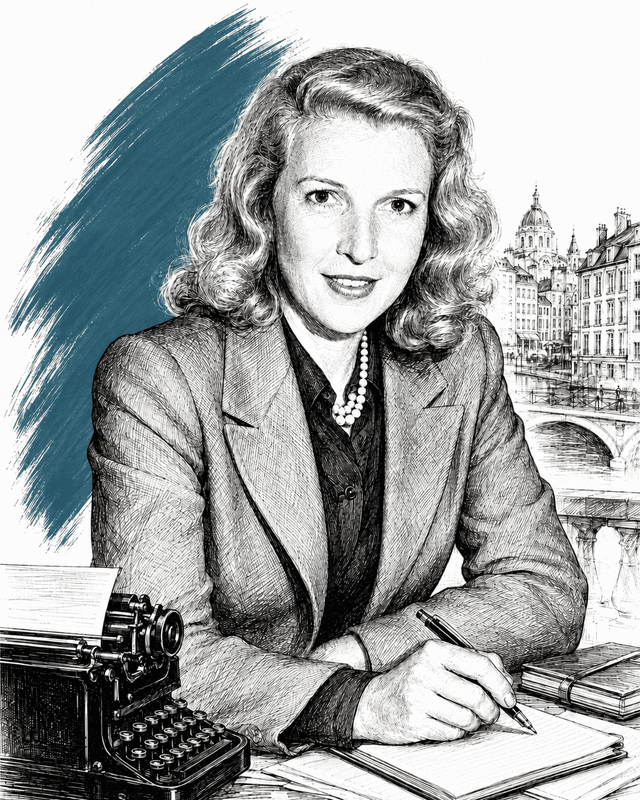
Martha Gellhorn
War correspondent who covered the Spanish Civil War, D-Day, and conflicts across five more decades; Hemingway's third wife, 1940–1945.
View author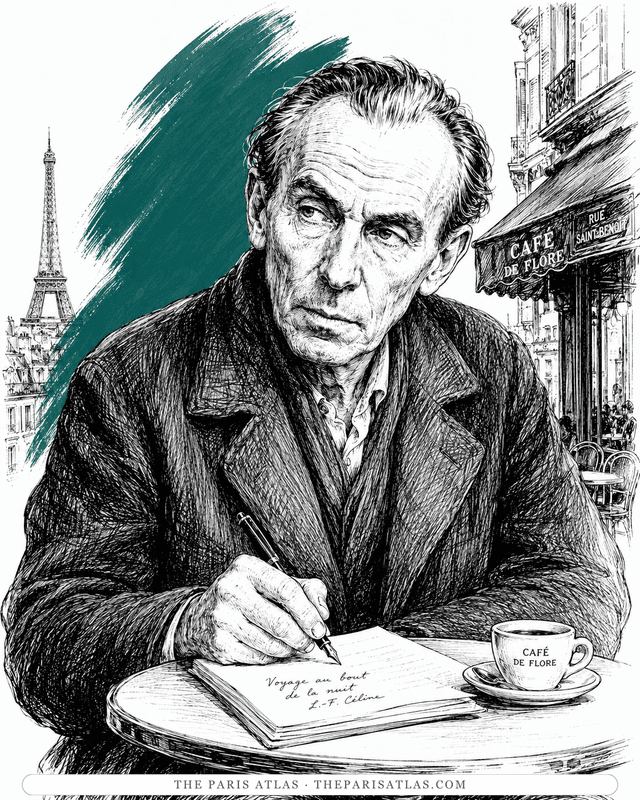
Louis-Ferdinand Céline
The doctor of the Paris slums who wrote the century's blackest, funniest novel — and changed the sound of French prose.
View author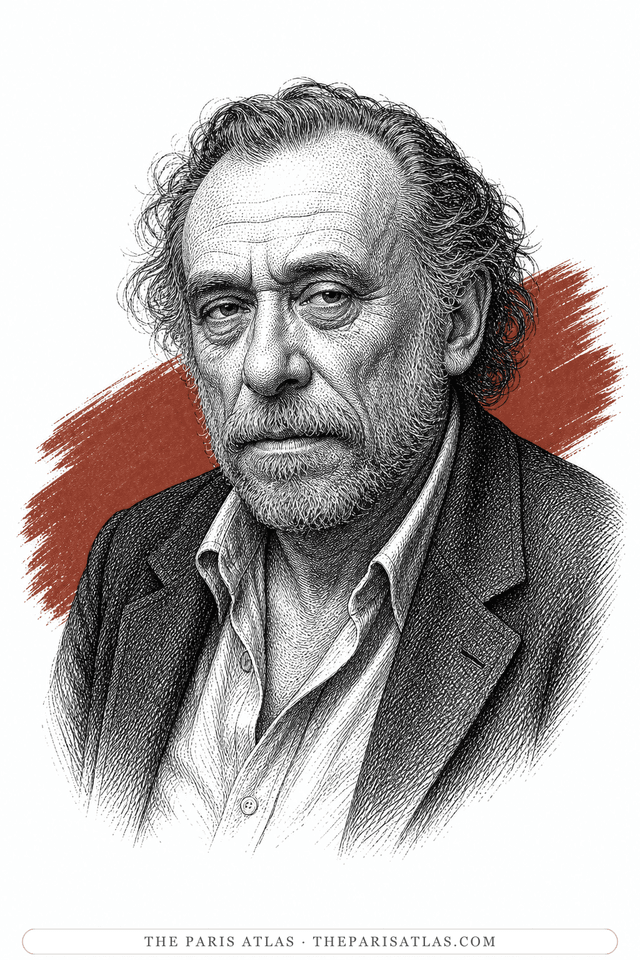
Charles Bukowski
American poet and novelist of Los Angeles rooming houses, racetracks and the post office, who quit his job to write when a publisher offered him a hundred dollars a month. He came to Paris once, in September 1978, drank his way through a live television book programme and walked off the set — and French television has been replaying it ever since.
View author