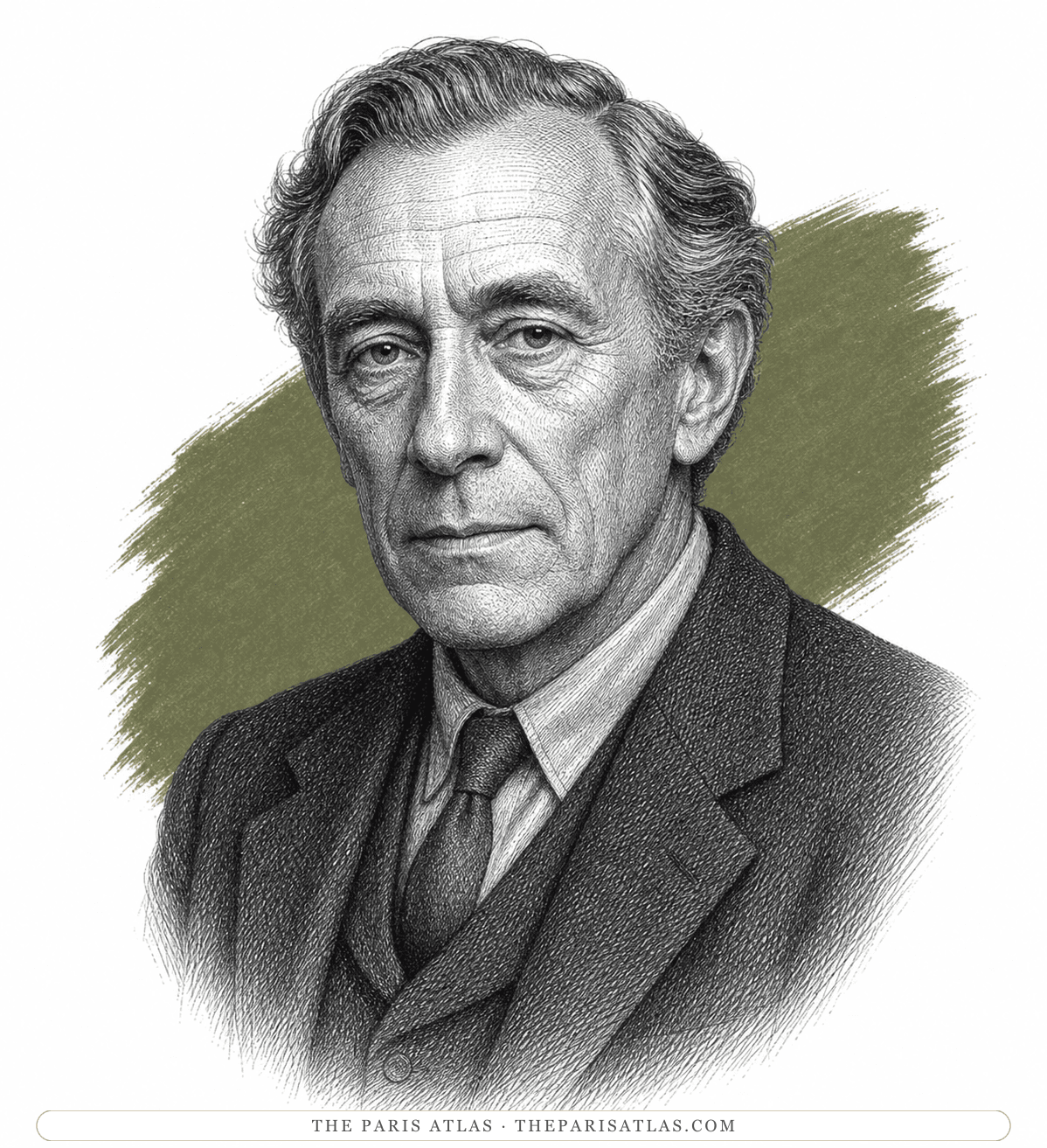
Dave
An older Quaker whose advice protects Andrew's moral agency and helps Laurie make his final decision.
The book

Who they are in the book
Spoiler-freeDave is an older Quaker and an informal leader among the conscientious-objector orderlies. He has a long family connection to Andrew.
He represents mature principled pacifism and argues that protection should preserve another person's agency rather than dictate the outcome.
How Dave Is Portrayed
- AgeA lined face marks him as older than the central men.
- DressPlain clothing reflects Quaker simplicity.
- AuthorityHis understated manner carries moral weight.
- ServiceHospital work makes his pacifism practical.
He persuades Laurie not to force a resolution with Andrew, helping determine Laurie's return to Ralph.
If you like The Charioteer


If you like Mary Renault
Explore authors with a similar voice, perspective, and influence.
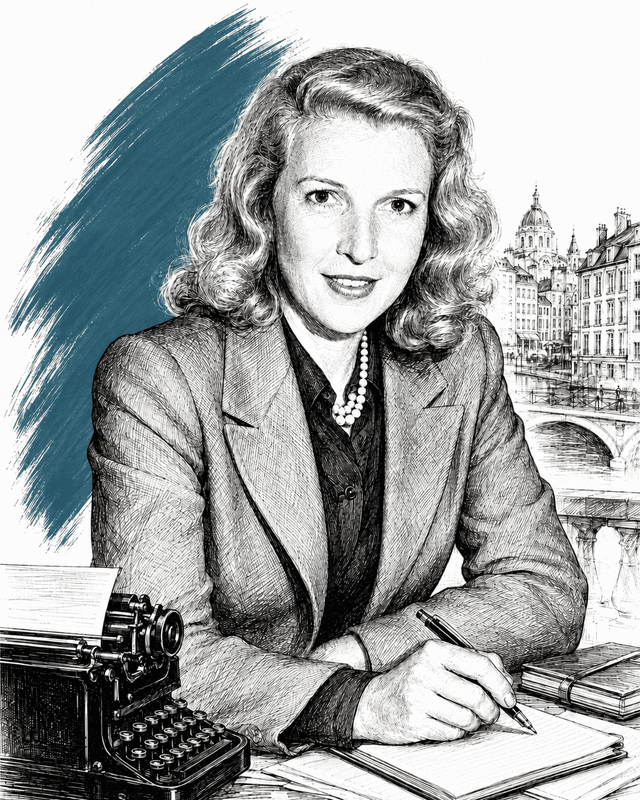
Martha Gellhorn
War correspondent who covered the Spanish Civil War, D-Day, and conflicts across five more decades; Hemingway's third wife, 1940–1945.
View author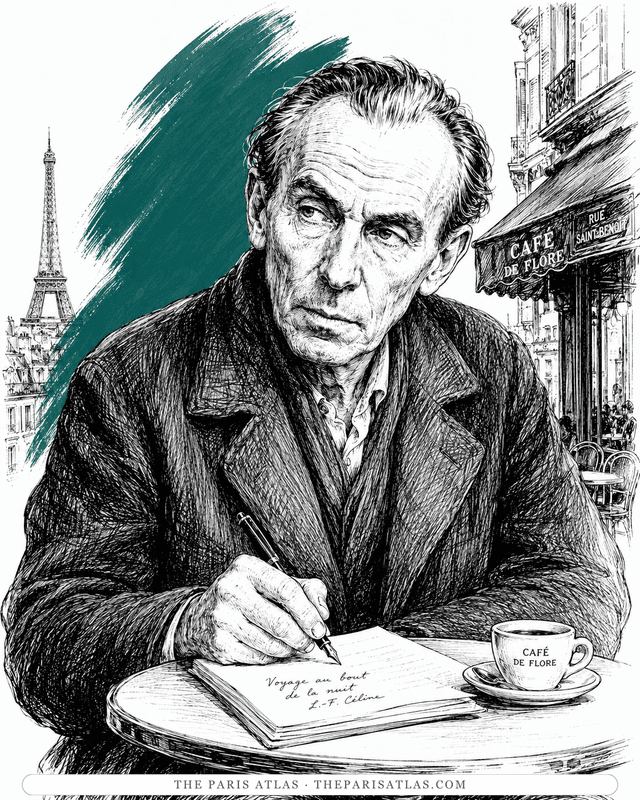
Louis-Ferdinand Céline
The doctor of the Paris slums who wrote the century's blackest, funniest novel — and changed the sound of French prose.
View author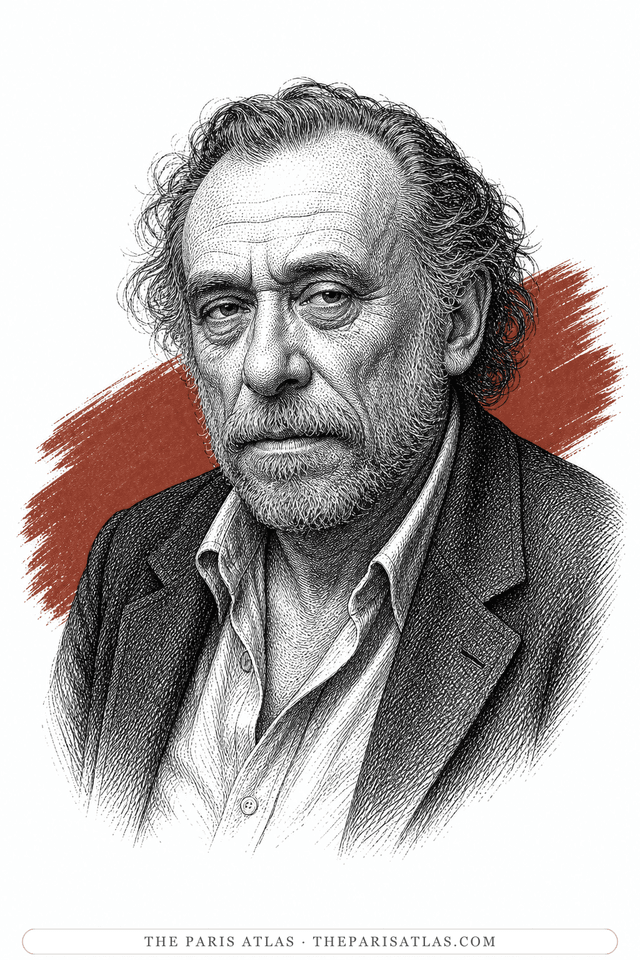
Charles Bukowski
American poet and novelist of Los Angeles rooming houses, racetracks and the post office, who quit his job to write when a publisher offered him a hundred dollars a month. He came to Paris once, in September 1978, drank his way through a live television book programme and walked off the set — and French television has been replaying it ever since.
View author