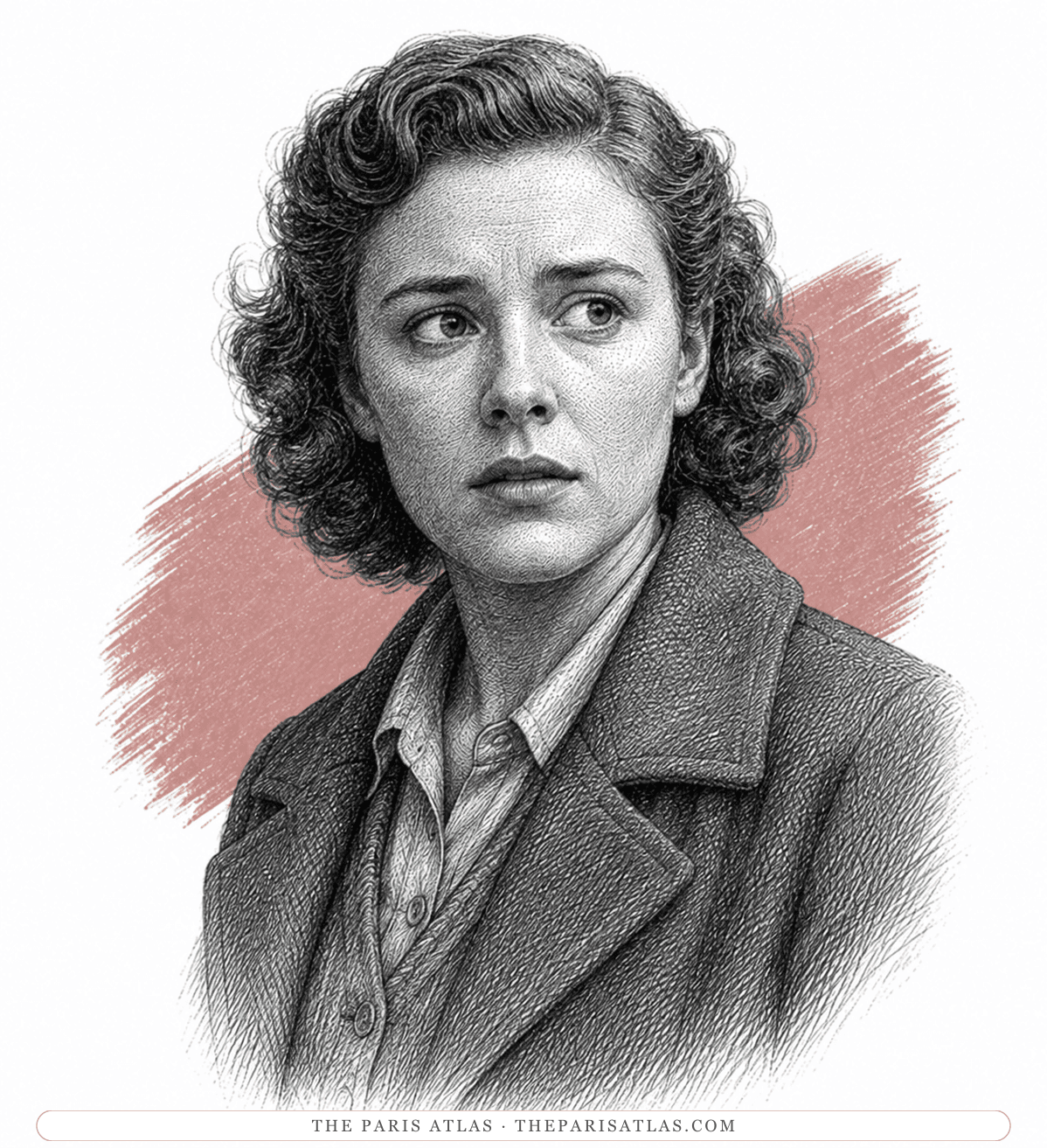
Madge Barker
Reg's wife, whose affair reveals that heterosexual relationships are not automatically simpler or more stable.
The book

Who they are in the book
Spoiler-freeMadge is a young British woman whose needs and frustrations lead her into an affair while Reg is hospitalized.
Her storyline broadens the novel's moral world beyond Laurie's relationships and should not be reduced to a villainous type.
How Madge Barker Is Portrayed
- PeriodA practical coat and curled hair place her in wartime Britain.
- ExpressionAnxiety and defensiveness are more fitting than caricature.
- MarriageWar and separation strain her relationship with Reg.
- FunctionHer choices complicate claims about conventional respectability.
Their relationship remains strained within the novel's broader wartime domestic reality.
If you like The Charioteer


If you like Mary Renault
Explore authors with a similar voice, perspective, and influence.
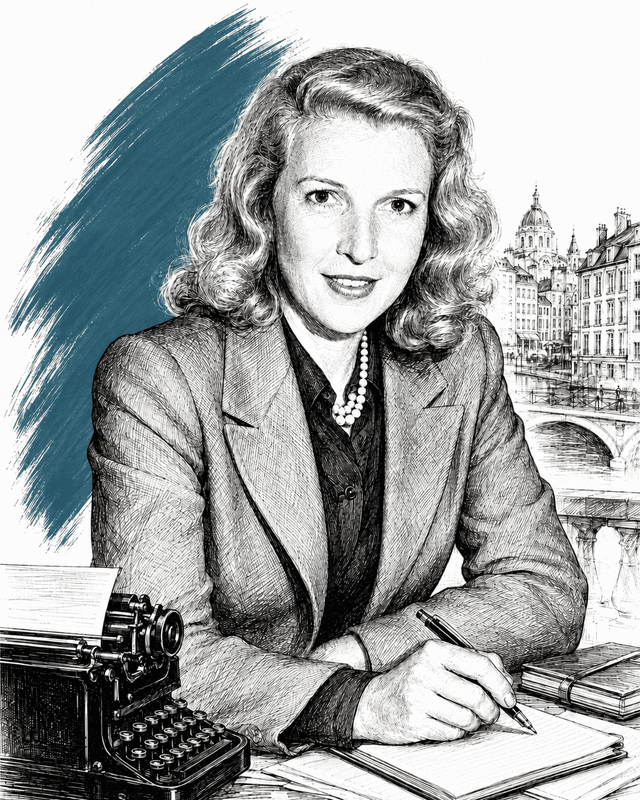
Martha Gellhorn
War correspondent who covered the Spanish Civil War, D-Day, and conflicts across five more decades; Hemingway's third wife, 1940–1945.
View author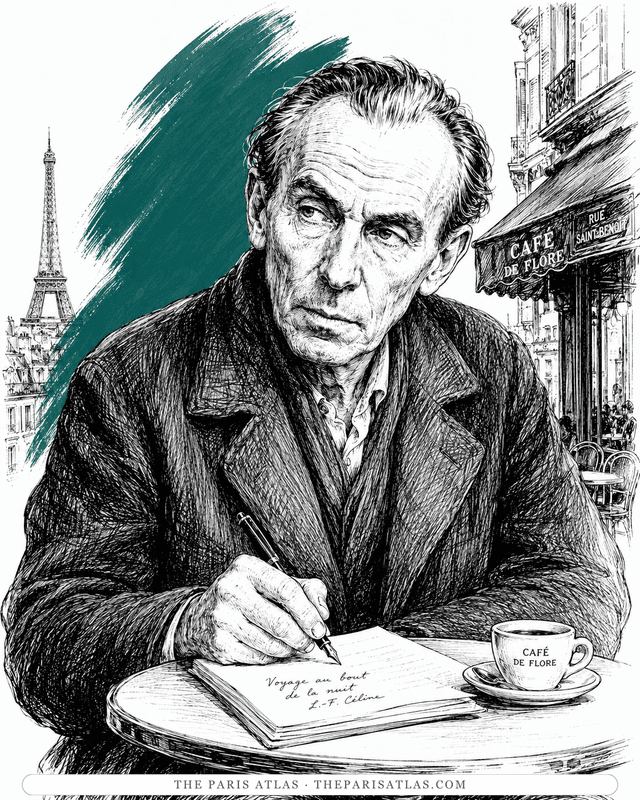
Louis-Ferdinand Céline
The doctor of the Paris slums who wrote the century's blackest, funniest novel — and changed the sound of French prose.
View author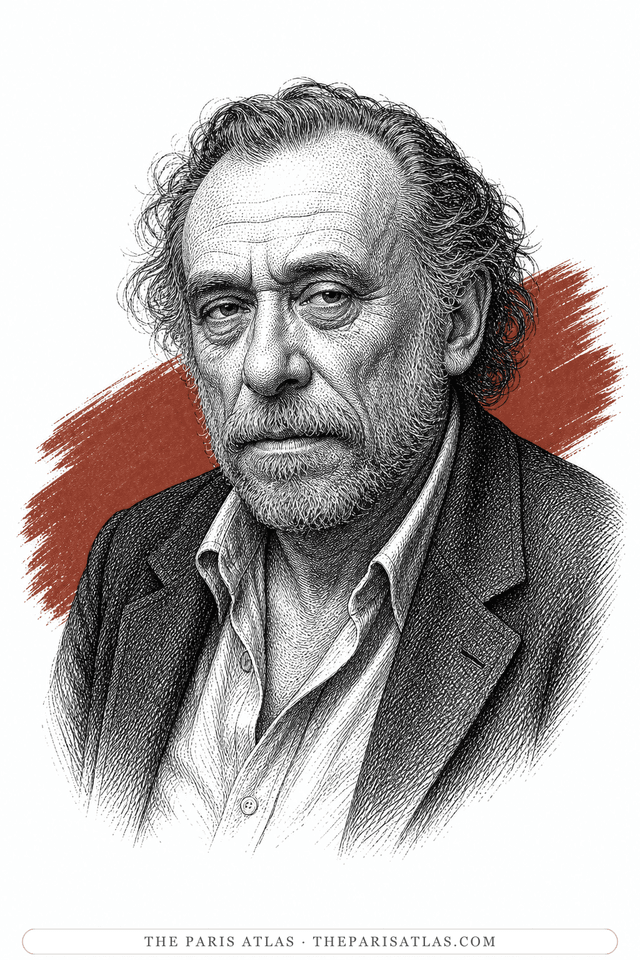
Charles Bukowski
American poet and novelist of Los Angeles rooming houses, racetracks and the post office, who quit his job to write when a publisher offered him a hundred dollars a month. He came to Paris once, in September 1978, drank his way through a live television book programme and walked off the set — and French television has been replaying it ever since.
View author