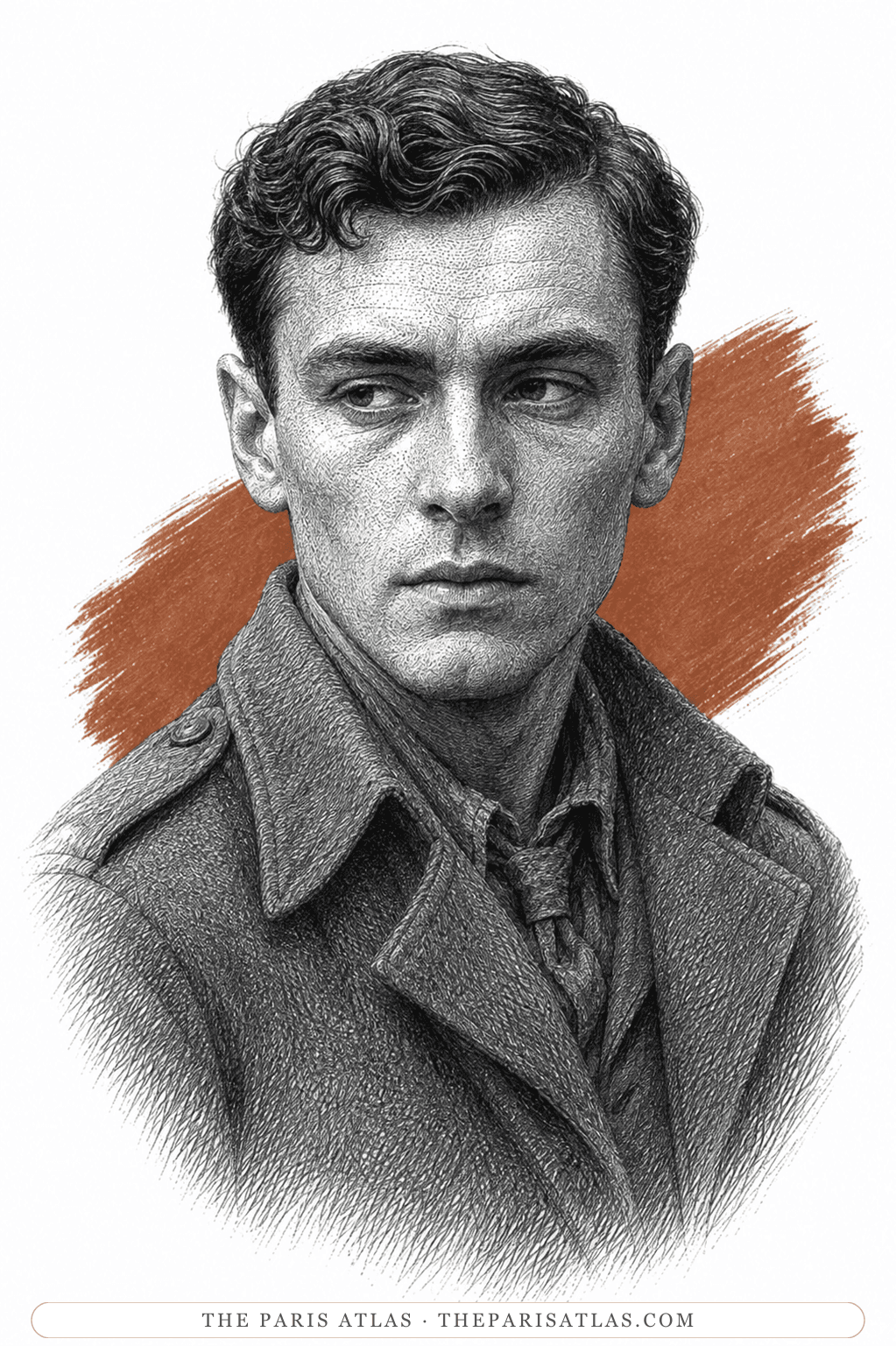
Laurence ‘Laurie’ Patrick Odell
The wounded twenty-three-year-old soldier learning to choose an honest love without turning other people into moral symbols.
To live honestly with love without betraying either his conscience or the people he loves.
The book

Who they are in the book
Spoiler-freeLaurie is a British soldier recovering from a serious leg wound after Dunkirk. Called Spud by Ralph, he is intelligent, guarded, and accustomed to offering acceptable versions of himself.
He wants a form of love that does not require self-contempt or moral surrender. His development depends on accepting complexity rather than sorting Andrew and Ralph into pure and corrupt halves.
How Laurence ‘Laurie’ Patrick Odell Is Portrayed
- AgeHe is twenty-three during the 1940 hospital story.
- BuildHe is lean, young, and still affected by a serious leg injury.
- ExpressionIntelligent, guarded eyes suit his constant moral analysis.
- DressHospital uniform and convalescent clothes reflect his suspended military life.
- NicknameRalph calls him Spud, linking adult love to their school past.
- Point of viewClose third person lets readers see beyond some of his judgments.
Laurie stops pursuing Andrew, learns Bunny framed Ralph, and returns to Ralph. The choice is an acceptance of a real, imperfect person rather than a symbolic victory of desire over principle.
If you like The Charioteer


If you like Mary Renault
Explore authors with a similar voice, perspective, and influence.

Martha Gellhorn
War correspondent who covered the Spanish Civil War, D-Day, and conflicts across five more decades; Hemingway's third wife, 1940–1945.
View author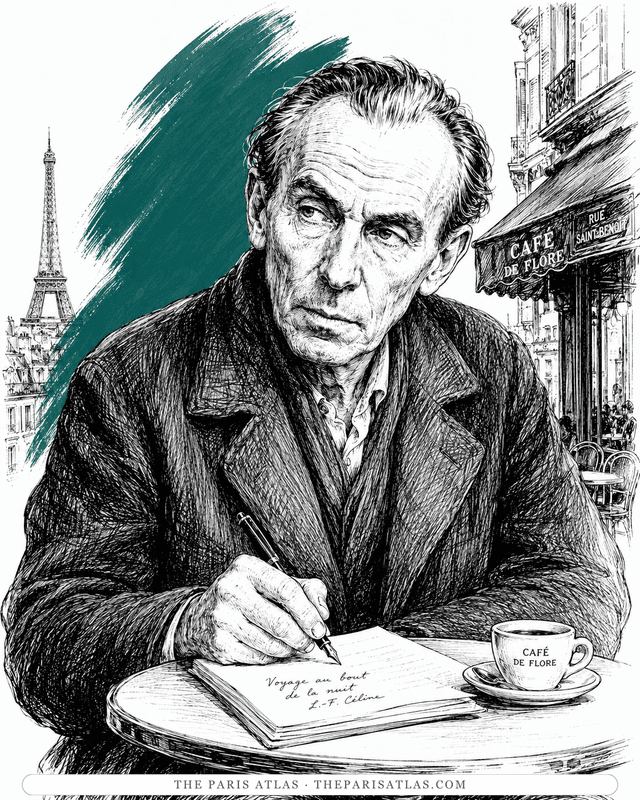
Louis-Ferdinand Céline
The doctor of the Paris slums who wrote the century's blackest, funniest novel — and changed the sound of French prose.
View author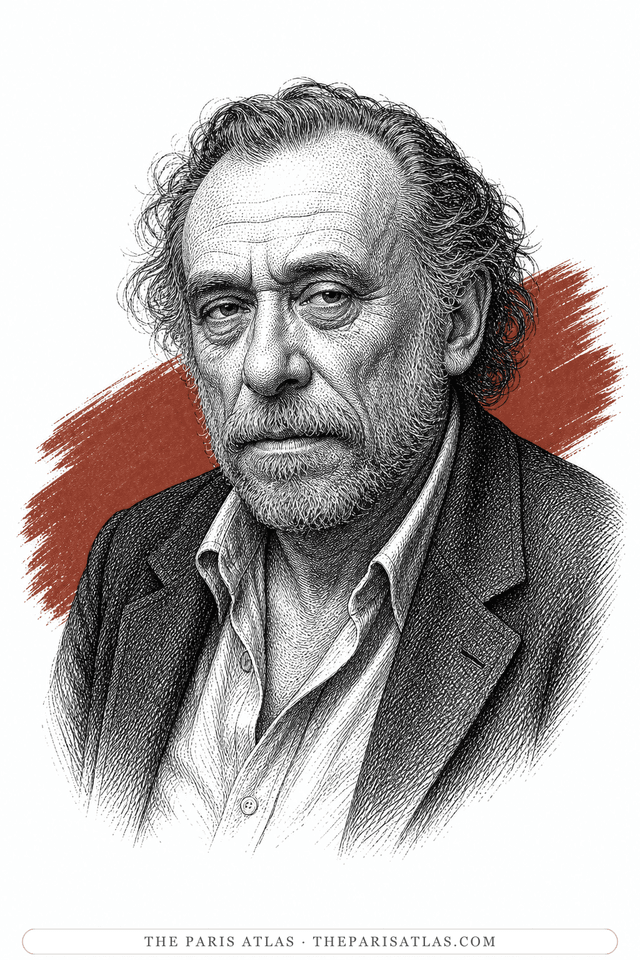
Charles Bukowski
American poet and novelist of Los Angeles rooming houses, racetracks and the post office, who quit his job to write when a publisher offered him a hundred dollars a month. He came to Paris once, in September 1978, drank his way through a live television book programme and walked off the set — and French television has been replaying it ever since.
View author