Ivan Ilyich Golovin
A successful judge whose terminal illness forces him to question the respectable life he treated as unquestionably right.
To escape pain and death, then to understand whether his life was truly right before he can no longer change it.
The book

At a glance
- Judge
- Praskovya Fyodorovna
- Terminal illness and moral reckoning
Who they are in the book
Spoiler-freeIvan builds his identity from professional advancement, correct manners, card games, and a home arranged to resemble those of people slightly above him. He values whatever important society considers proper.
Illness removes his ability to perform that life. His anger is often cruel, but it also grows from recognizing that everyone around him is refusing to name the fact that he is dying.
How Ivan Ilyich Golovin Is Portrayed
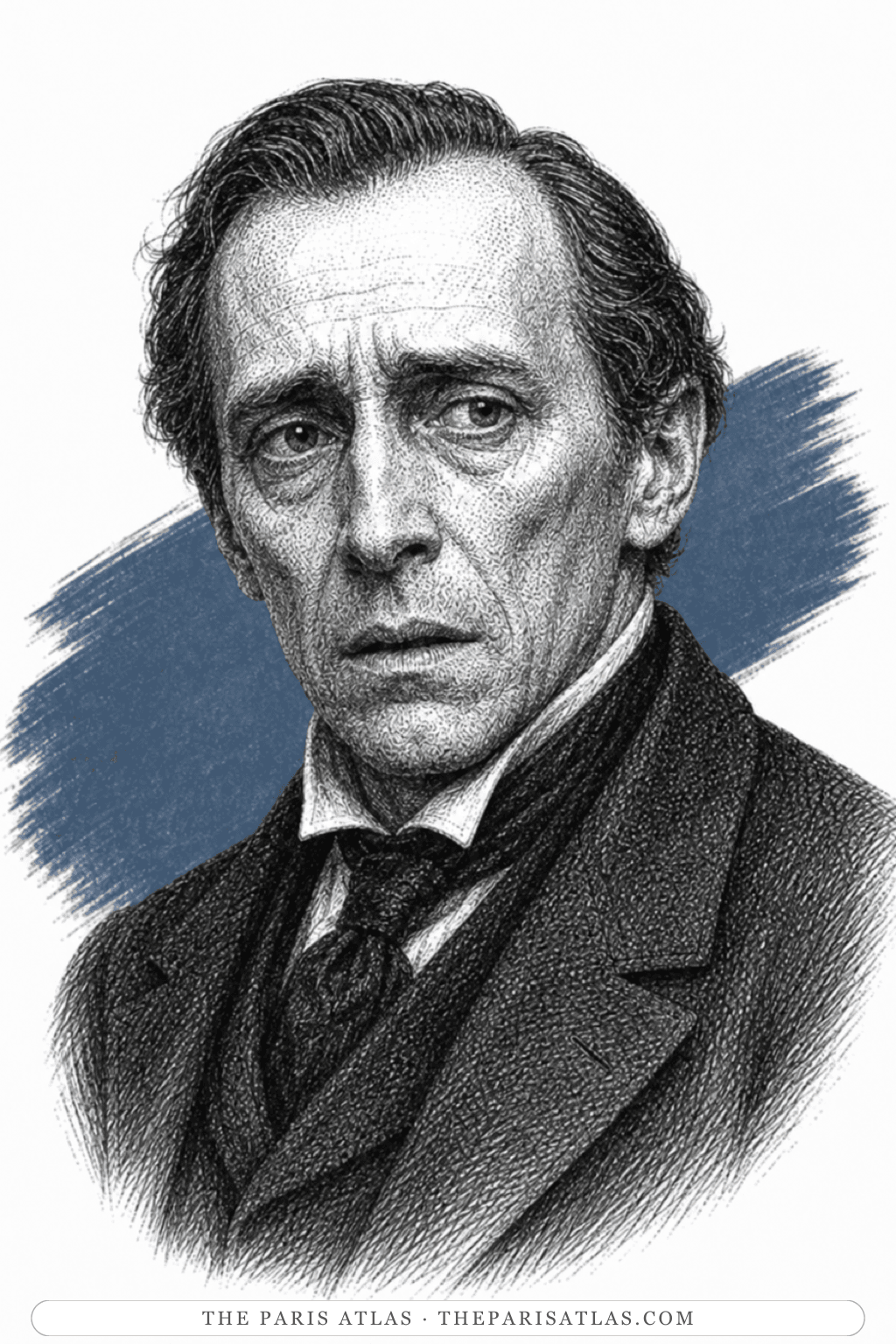
- Middle-aged Russian judgeProfessional status shapes his formal bearing.
- Nineteenth-century legal dressHis clothing is neat and socially correct.
- Gaunt but recognizableIllness is visible without grotesque exaggeration.
- Fear beneath controlConfidence has begun to fail.
- Close engraved bustNo courtroom, bed, or doctor’s office appears.
- Muted slate-blue accentThe cool color suits his formal world.
Ivan dies after recognizing the shallowness of his former values and feeling compassion for his wife and son. In the final moment, his terror gives way to a sense that death itself has disappeared.
If you like The Death of Ivan Ilyich


If you like Leo Tolstoy
Explore authors with a similar voice, perspective, and influence.
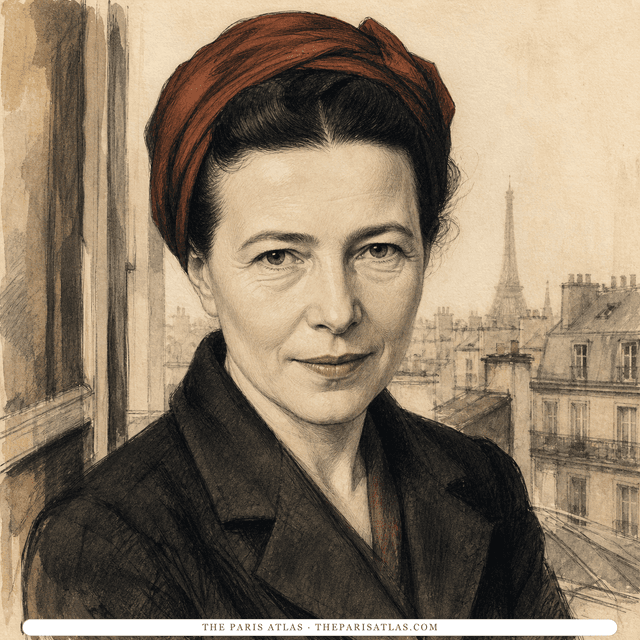
Simone de Beauvoir
French writer and philosopher whose novels, memoirs, and social analysis examined freedom, gender, responsibility, aging, and the material conditions that shape a life.
View author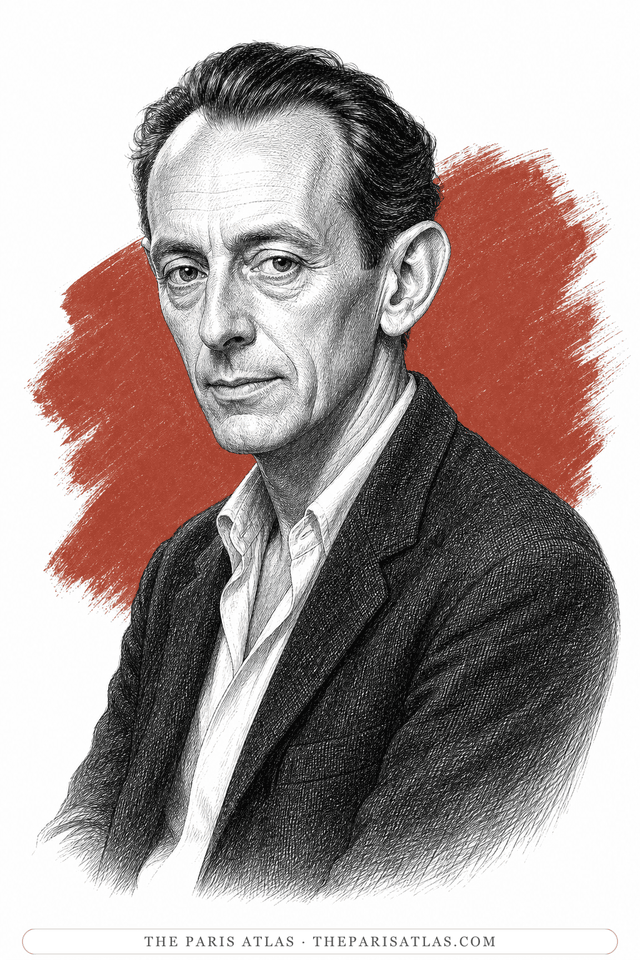
Paul Bowles
American novelist and composer whose expatriate fiction explores dislocation, unstable intimacy, fatalism, and North Africa.
View author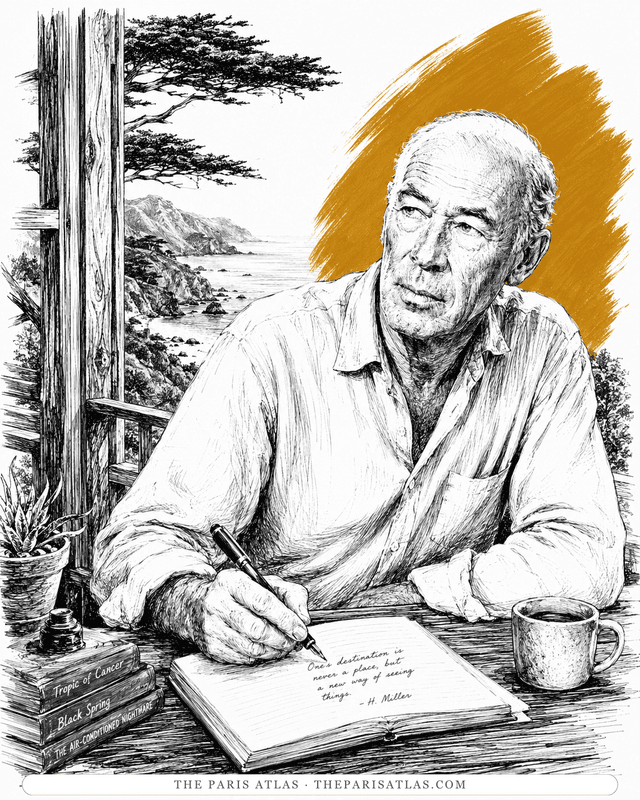
Henry Miller
The Brooklyn dropout who arrived in Paris broke at thirty-eight and wrote the exuberant, banned books that ended American censorship.
View author