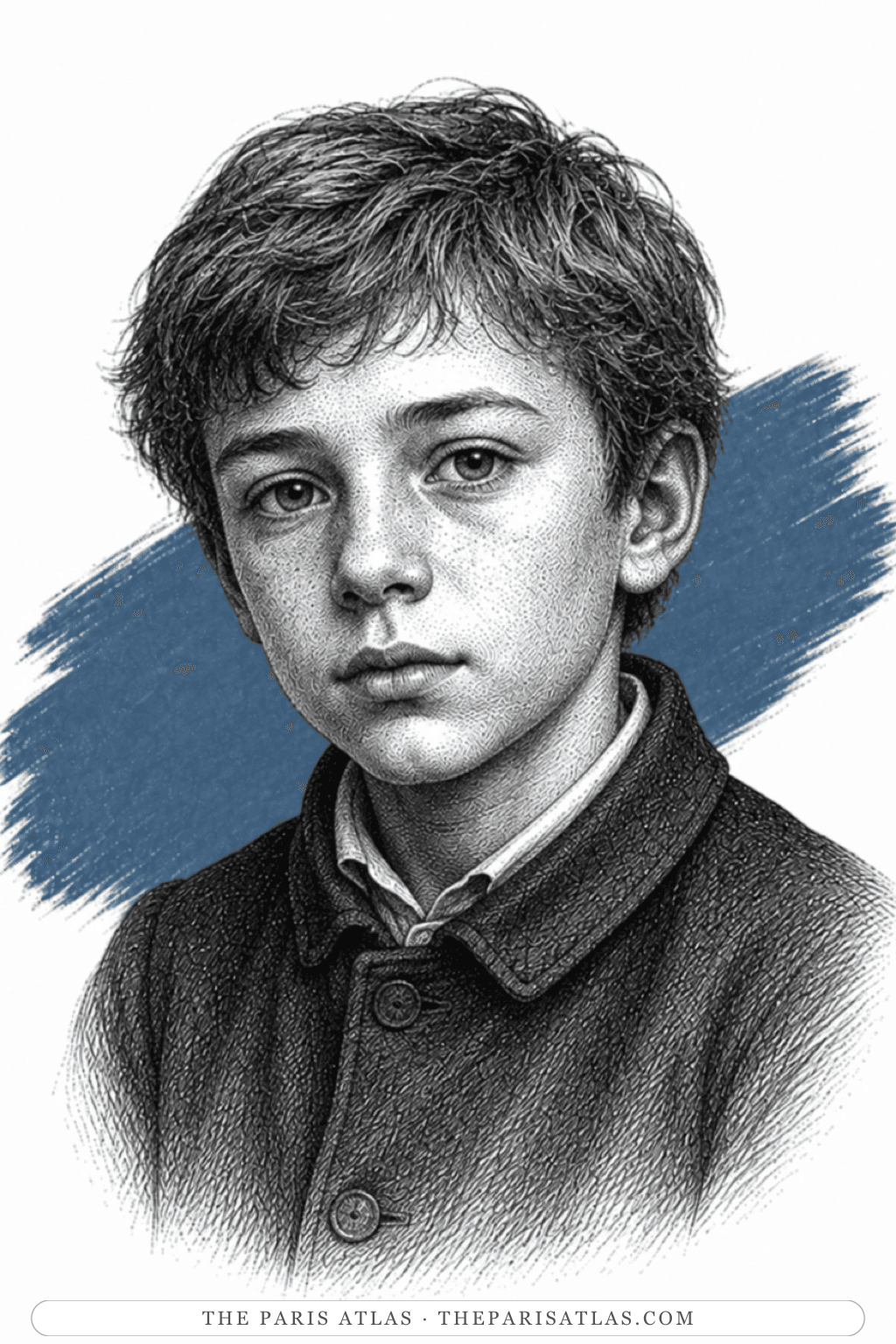
Vladimir Ivanich
Ivan’s sensitive adolescent son, also called Vasya, whose genuine grief helps awaken his father’s final compassion.
To remain close to his father and respond honestly to a death the rest of the household finds difficult to face.
The book

At a glance
- Ivan and Praskovya’s son
- Vasya
- Genuine grief in Ivan’s final hours
Who they are in the book
Spoiler-freeVladimir responds to Ivan’s decline with a feeling that has not yet been converted into etiquette, calculation, or resentment. His sadness makes him different from the adults who keep trying to restore normal routine.
Near the end, the boy’s tears draw Ivan’s attention away from his own pain. Seeing that his son is suffering becomes part of Ivan’s final moral change.
How Vladimir Ivanich Is Portrayed
- Sensitive adolescent boyHe is clearly older than a child but not yet an adult.
- Nineteenth-century school clothesHis appearance is modest and period-accurate.
- Restrained griefEmotion is visible without melodrama.
- Soft direct gazeHe does not perform indifference.
- Close engraved bustNo sickroom or funeral appears.
- Muted blue accentThe cool color separates him from Lisa.
Vladimir is present as Ivan dies. His grief helps move Ivan from self-protection toward pity and the wish to stop causing pain.
If you like The Death of Ivan Ilyich


If you like Leo Tolstoy
Explore authors with a similar voice, perspective, and influence.
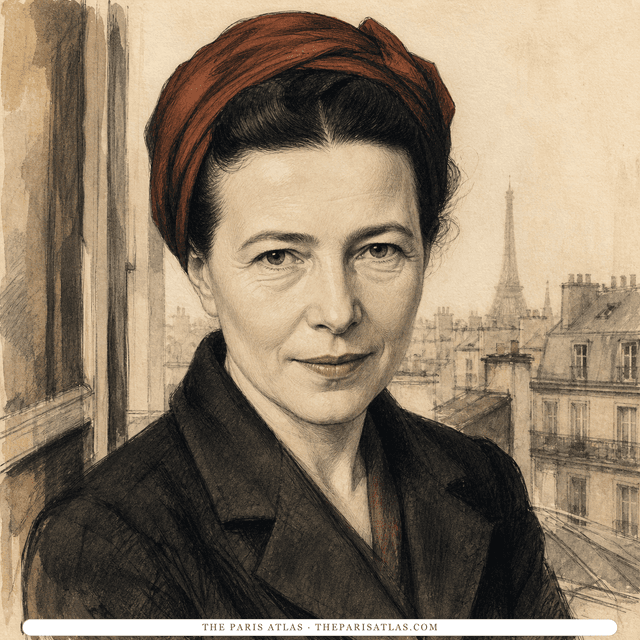
Simone de Beauvoir
French writer and philosopher whose novels, memoirs, and social analysis examined freedom, gender, responsibility, aging, and the material conditions that shape a life.
View author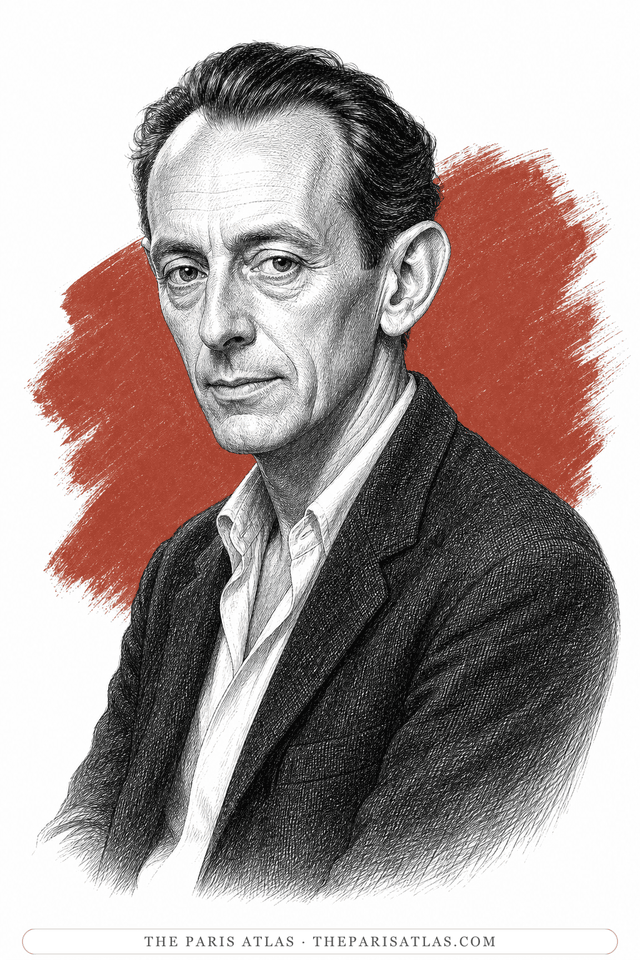
Paul Bowles
American novelist and composer whose expatriate fiction explores dislocation, unstable intimacy, fatalism, and North Africa.
View author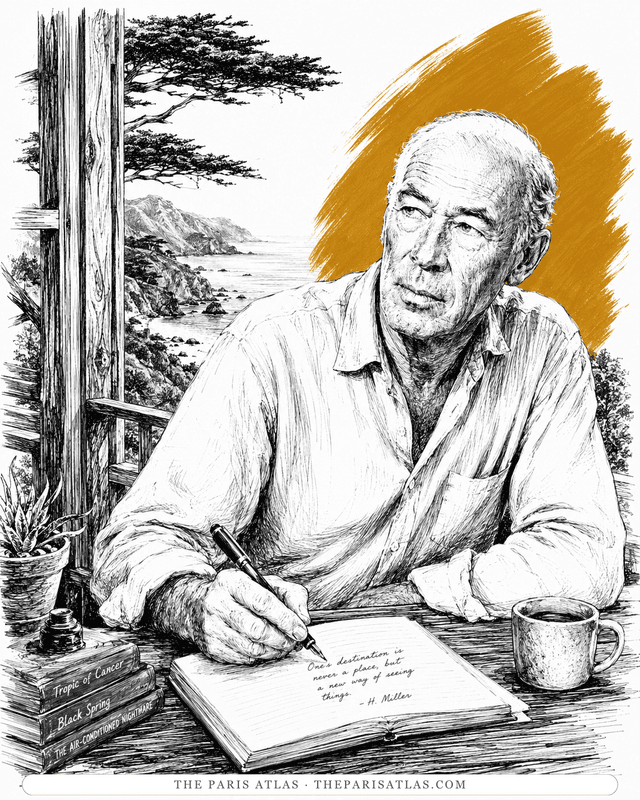
Henry Miller
The Brooklyn dropout who arrived in Paris broke at thirty-eight and wrote the exuberant, banned books that ended American censorship.
View author