
Lise
The thirty-four-year-old office worker who turns a holiday into a carefully witnessed search for the man she wants to kill her.
To find the man she has selected and arrange her own death so that its route and evidence follow her design.
The book

At a glance
- 34
- Office worker since age eighteen
- An unnamed northern European country
- An unnamed southern city
Who they are in the book
Spoiler-freeLise has worked in the same office since she was eighteen. She lives alone, has a history of illness, and suffers a breakdown just before taking leave. The novel does not name her country, family, diagnosis, or the earlier events that shaped her plan.
During the trip, Lise makes herself conspicuous. She wears violently clashing colors, argues in shops, moves among hotels, carries a memorable paperback, and buys objects that will later become evidence. Her abrupt changes in mood can confuse the people around her, but her route has a clear private purpose.
Lise intends to die and searches for Richard because of his violent history. She tries to direct him as though another human being were part of a script. Her preparation is real, but the final scream shows that preparation cannot make death controllable.
How Lise Is Portrayed
- Thirty-four years oldShe has worked for sixteen years, beginning at eighteen, and lives with the routines of a long-established office job.
- Pale-brown hairThe narration describes her hair plainly and refuses to make her appearance glamorous.
- Neither beautiful nor unattractiveHer face is presented as ordinary, with straight lips carefully marked by old-fashioned lipstick.
- A deliberately clashing outfitShe combines a lemon-yellow top, a bright patterned skirt, and a red-and-white striped coat so witnesses will remember her.
- A long, purposeful strideShe moves quickly through airports, hotels, stores, streets, and parked cars even when her stated plans keep changing.
- Speech that changes directionShe can be precise, angry, playful, or tearful within a short exchange, leaving strangers unsure how to answer her.
Lise chooses Richard because he has previously stabbed a woman and spent years in prison and treatment. She supplies the scarf and paper knife, drives him to the Pavilion, and instructs him to kill her.
Richard resists, then murders her. Lise screams at the final moment. The ending preserves her intention but destroys the fantasy that intention could make death fully manageable.
If you like The Driver’s Seat


If you like Muriel Spark
Explore authors with a similar voice, perspective, and influence.
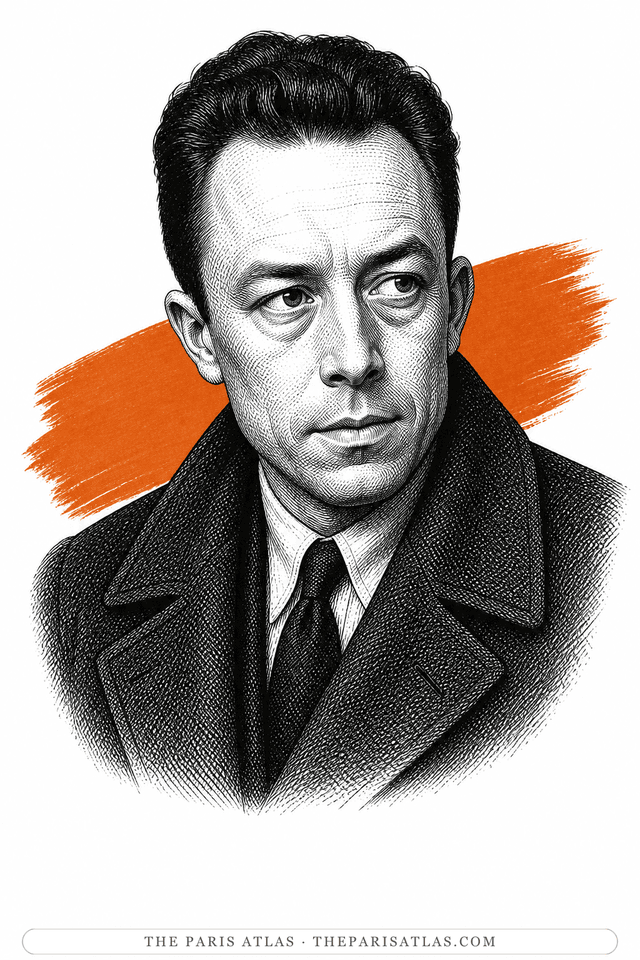
Albert Camus
French Algerian novelist, essayist, journalist and playwright who used the absurd and revolt to ask how people should live without false consolation.
View author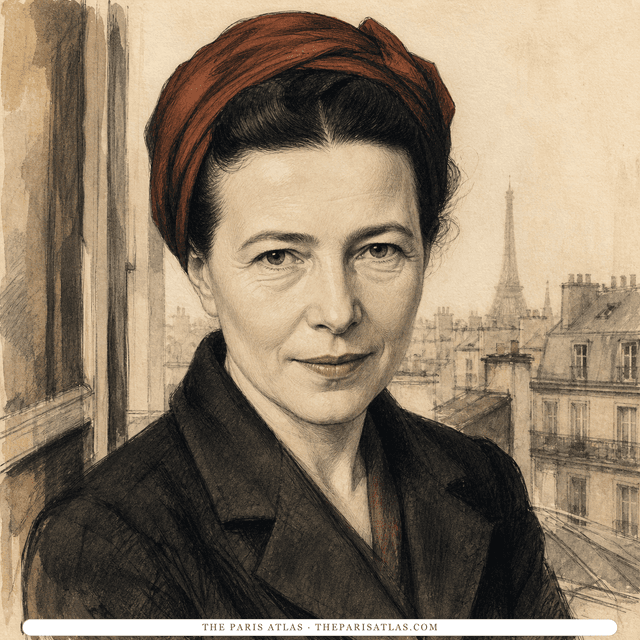
Simone de Beauvoir
French writer and philosopher whose novels, memoirs, and social analysis examined freedom, gender, responsibility, aging, and the material conditions that shape a life.
View author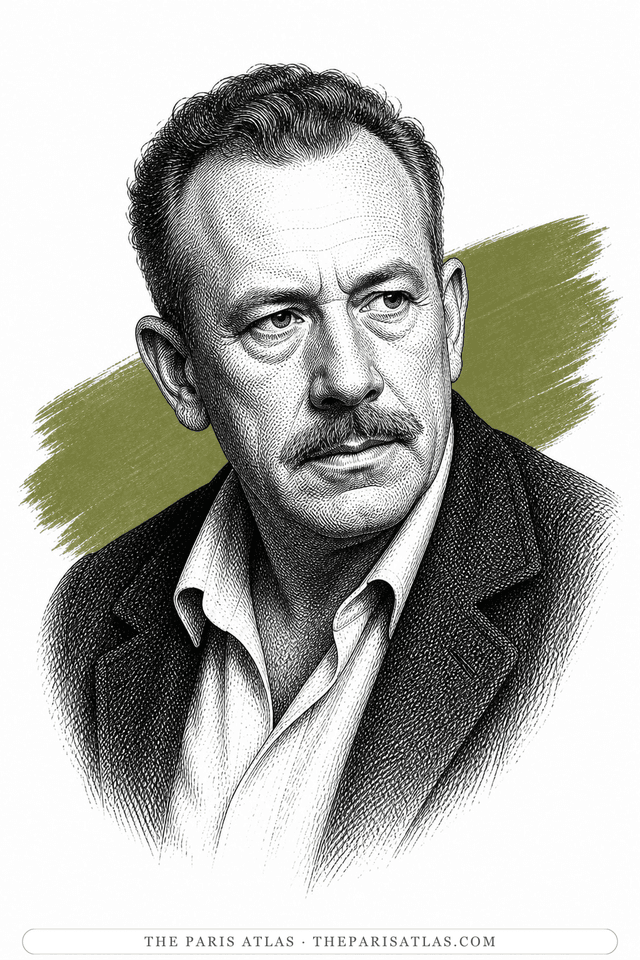
John Steinbeck
American novelist of the California fields and of the Dust Bowl migration — the exodus of farming families driven off the drought-ruined southern plains in the 1930s — awarded the Nobel Prize in Literature in 1962. In the summer of 1954 he moved into 1 avenue de Marigny in Paris and wrote for the Paris daily newspaper Le Figaro. Some of that work reached French readers in translation long before it was ever printed in his own English: one story waited sixty-five years.
View author