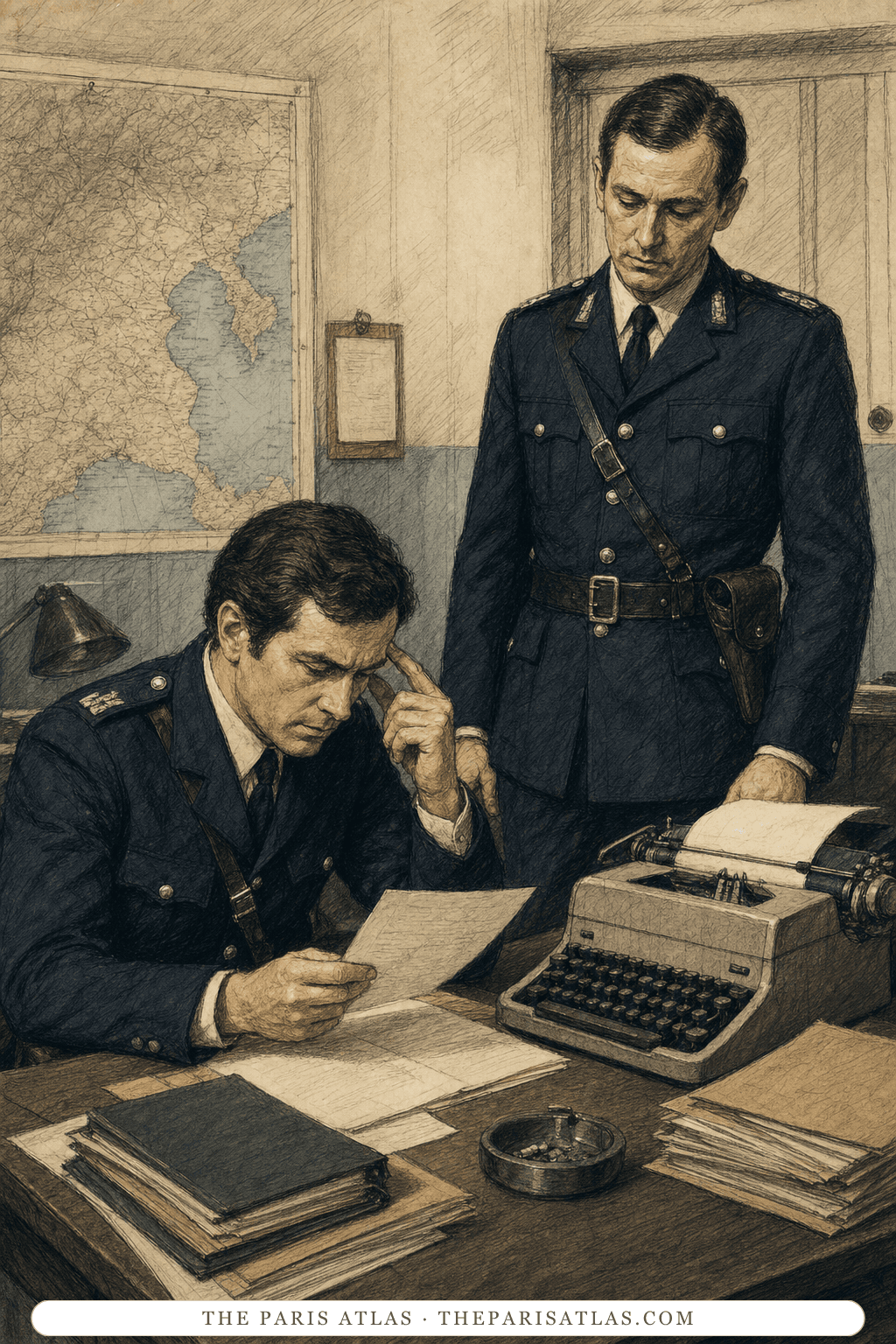
The police investigators
The unseen organizing force that turns testimony, purchases, cars, and hotel records into the official account of Lise's death.
To identify Lise, reconstruct her final day, eliminate false suspects, and find the person who murdered her.
The book

At a glance
- Murder investigation
- Statements, records, objects, vehicles, and timing
- Bill
- Richard
Who they are in the book
Spoiler-freeThe investigation enters the novel through flashes of future knowledge. We learn what a saleswoman will report, what a suspect will claim, and which details police will establish before the murder itself has occurred in the main chronology.
The investigators gather hotel registrations, witness statements, purchase histories, cars, clothing descriptions, and the timing of arrests. They do not possess Lise's inner life. Their strength is the ability to connect material traces left among strangers.
As a group, they represent a form of order different from Lise's plan. She arranges the day to produce evidence, but once she is dead, she cannot control the official story assembled from it. The case belongs partly to people she never meets.
How The police investigators Is Portrayed
- Mostly present through future tenseTheir work interrupts the day as information about what will later be reported, checked, or proved.
- Dependent on witnessesThey need sales staff, tourists, hotel workers, and suspects to build a chronology from brief encounters.
- Focused on material detailsClothes, receipts, luggage, vehicles, rooms, and the paper knife matter because each can be traced.
- Careful about timingThe hour of Bill's arrest distinguishes his assault from the later murder.
- Working across locationsThe inquiry must connect airports, shops, several hotels, a garage, streets, and the Pavilion.
- An official voice assembled laterUnlike Lise's volatile speech, their account gains authority by comparing separate records after the fact.
The evidence can reconstruct much of Lise's route and point toward Richard. It cannot turn her intention into a complete psychological explanation. The official case can establish actions more confidently than motives.
If you like The Driver’s Seat


If you like Muriel Spark
Explore authors with a similar voice, perspective, and influence.
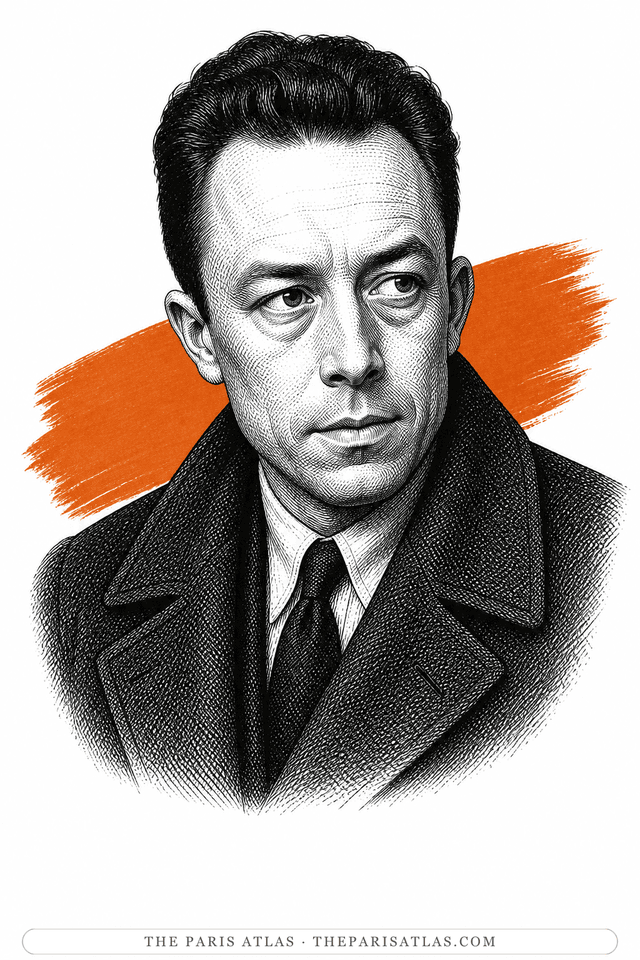
Albert Camus
French Algerian novelist, essayist, journalist and playwright who used the absurd and revolt to ask how people should live without false consolation.
View author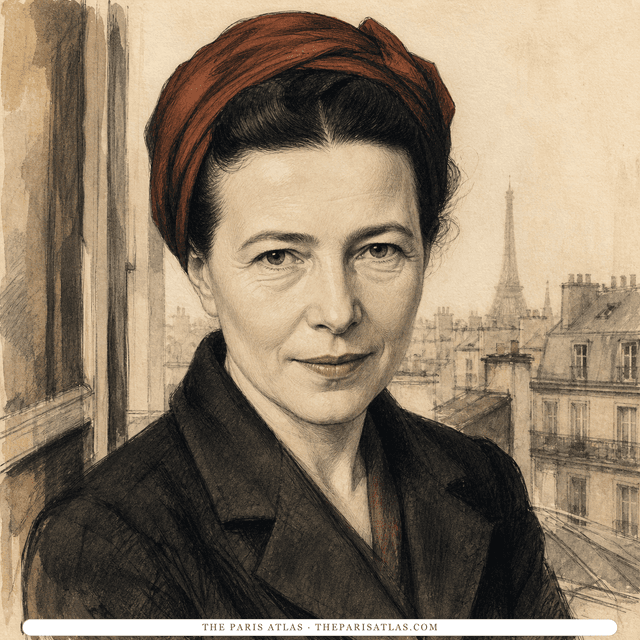
Simone de Beauvoir
French writer and philosopher whose novels, memoirs, and social analysis examined freedom, gender, responsibility, aging, and the material conditions that shape a life.
View author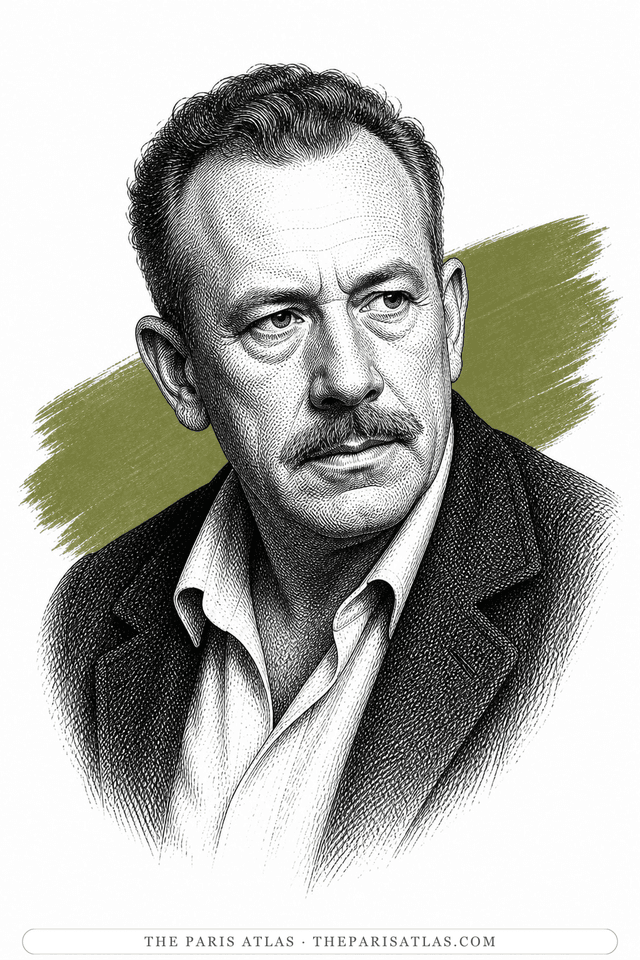
John Steinbeck
American novelist of the California fields and of the Dust Bowl migration — the exodus of farming families driven off the drought-ruined southern plains in the 1930s — awarded the Nobel Prize in Literature in 1962. In the summer of 1954 he moved into 1 avenue de Marigny in Paris and wrote for the Paris daily newspaper Le Figaro. Some of that work reached French readers in translation long before it was ever printed in his own English: one story waited sixty-five years.
View author