
Richard Smythe
A public atheist whom Sarah visits because she hopes disbelief can free her.
To make suffering intelligible without God and persuade others that religion is unnecessary.
The book

At a glance
- Atheist writer and speaker
- Sarah Miles
Who they are in the book
Spoiler-freeSmythe writes and speaks publicly against religion. Sarah seeks him for reasoned disbelief, not romance.
A facial condition makes him self-conscious and becomes part of Bendrix's crude effort to reduce him to a visible mark.
He offers Sarah a language for rejecting God, but her questions expose the emotional limits of a purely intellectual answer.
How Richard Smythe Is Portrayed
- Argumentative poiseHe is practiced in defending atheism.
- Marked faceHis condition shapes encounters without defining him.
- Public workHis disbelief is organized argument.
- Mistaken rivalBendrix reads Sarah's visits as sexual.
- Intellectual confidenceHe begins with a system for interpreting pain.
- Certainty unsettledSarah's death complicates that confidence.
His facial condition disappears after Sarah prayed for him. Greene's revision makes the event less unequivocally miraculous.
If you like The End of the Affair


If you like Graham Greene
Explore authors with a similar voice, perspective, and influence.
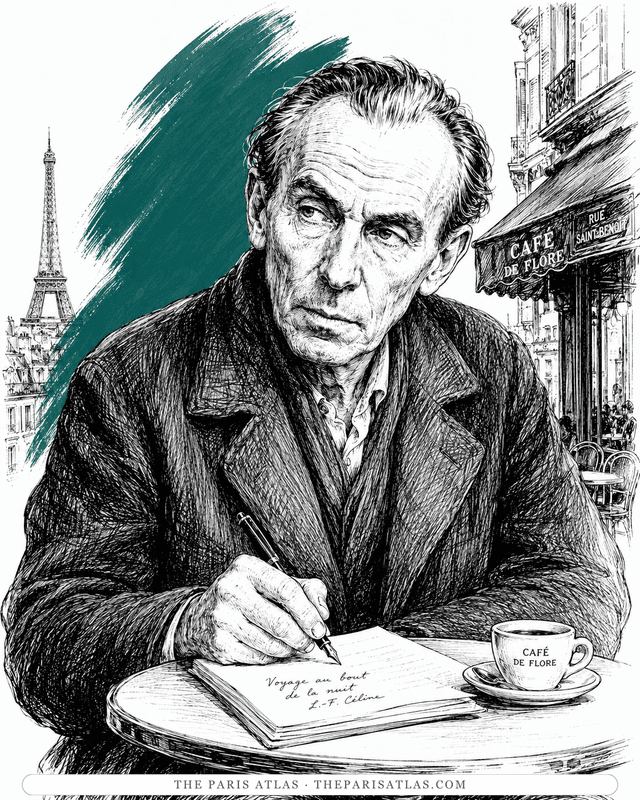
Louis-Ferdinand Céline
The doctor of the Paris slums who wrote the century's blackest, funniest novel — and changed the sound of French prose.
View author
Paul Bowles
American novelist and composer whose expatriate fiction explores dislocation, unstable intimacy, fatalism, and North Africa.
View author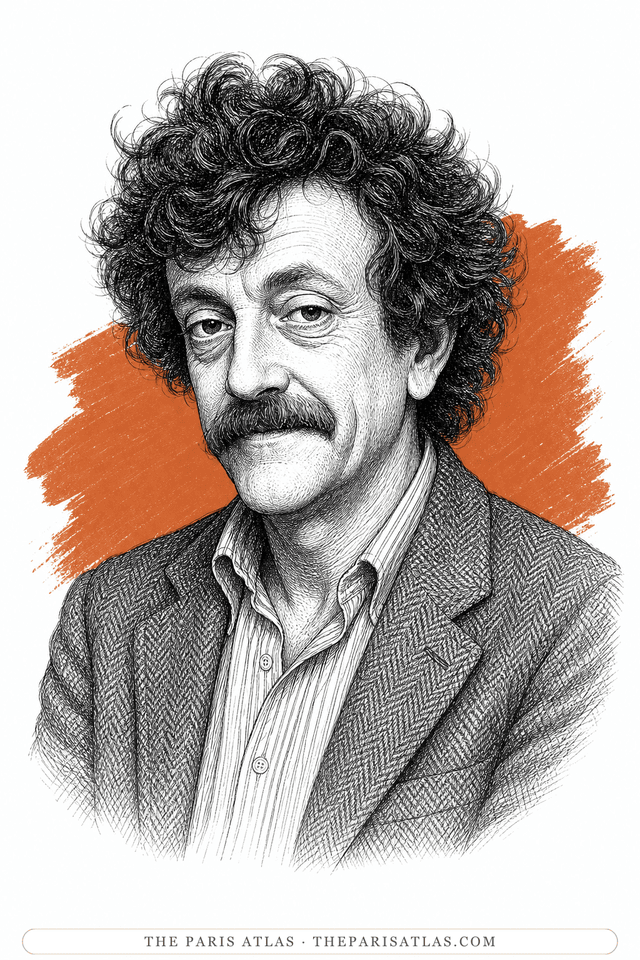
Kurt Vonnegut
American novelist whose fiction combines satire, science fiction, and the experience of surviving the bombing of Dresden.
View author