Madison Washington
An enslaved Virginian who escapes to Canada, goes back for his wife, and leads the revolt on the Creole. Douglass's hero, seen almost entirely through other men's eyes.
He wants to be free, and he wants his wife, Susan, to be free with him.
The book
The Heroic Slave
Frederick Douglass
At a glance
- A plantation in Virginia
- His wife, Susan, and two small children
- The swamps, then Ohio, then Canada by steamer from Cleveland
- Madison Washington · Virginia
Who they are in the book
Spoiler-freeMadison is the man the other characters keep running into and cannot forget. Douglass gives him long speeches, first alone in a forest and then at the helm of a ship. He is strong and gentle, and he never forgets his wife. The book's point is that the country has no place in its history for him.
How Madison Washington Is Portrayed
- Talking himself into freedomIn Part I he speaks alone in the woods, comparing himself to birds that fly where they please and a snake that escaped his blow. He ends each speech by declaring that he will be free.
- Strength without menaceThe narrator describes a tall, powerful man with arms like polished iron. He adds that a child might play in his arms, and that his voice could terrify as well as charm.
- Lost without his starHis first escape fails when clouds hide the North Star for days. After a week on the run he finds himself back on his master's land.
- Five years in the swampHe lives in a cave in the swamps, and Susan meets him in the pine woods once a week with food. A forest fire finally drives him out.
- Plain about survivalHe tells the Listwells he took food where he could find it on the road north. Society had robbed him of every right, he explains, so he felt no scruple about bread.
- The tinder-boxHis only possession saved from the fire is an old tinder-box, a small box with flint and steel for making sparks. He shows Mrs. Listwell how he cooked the chickens he took.
- A leader in chainsIn the slave gang at the tavern in Part III, the other captives already trust him. The narrator calls him a sort of general-in-chief among them.
Madison Washington quotes
Liberty I will have, or die in the attempt to gain it.
Madison now felt himself no more a piece of merchandise, but a passenger
God is my witness that LIBERTY, not malice, is the motive for this night's work.
Madison returns to Virginia to rescue Susan and climbs a ladder to her window. The household wakes, and she is shot dead beside him as they run. He is flogged and sold south. On the Creole he files off his irons, frees eighteen others and takes the ship. He twice saves the first mate's life, steers through a storm to Nassau, and leads the freed captives ashore.
If you like The Heroic Slave


If you like Frederick Douglass
Explore authors with a similar voice, perspective, and influence.
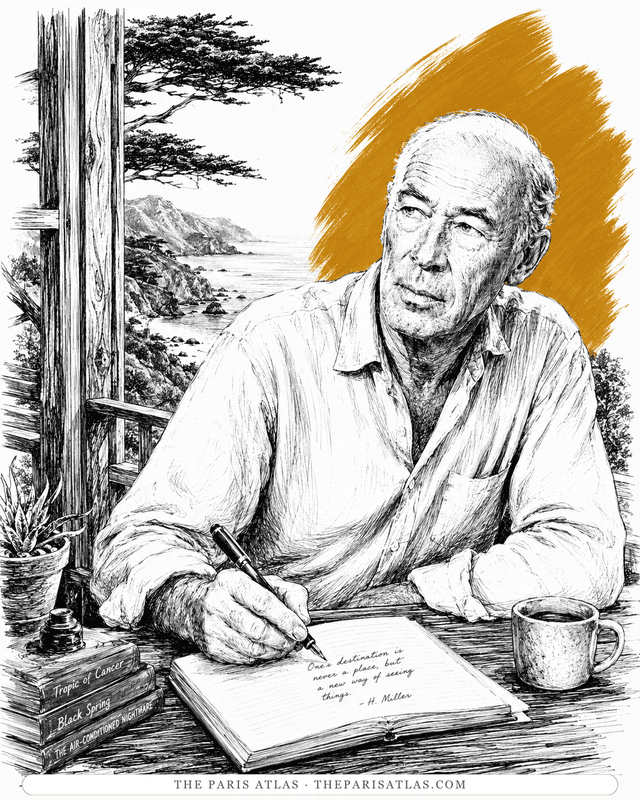
Henry Miller
The Brooklyn dropout who arrived in Paris broke at thirty-eight and wrote the exuberant, banned books that ended American censorship.
View author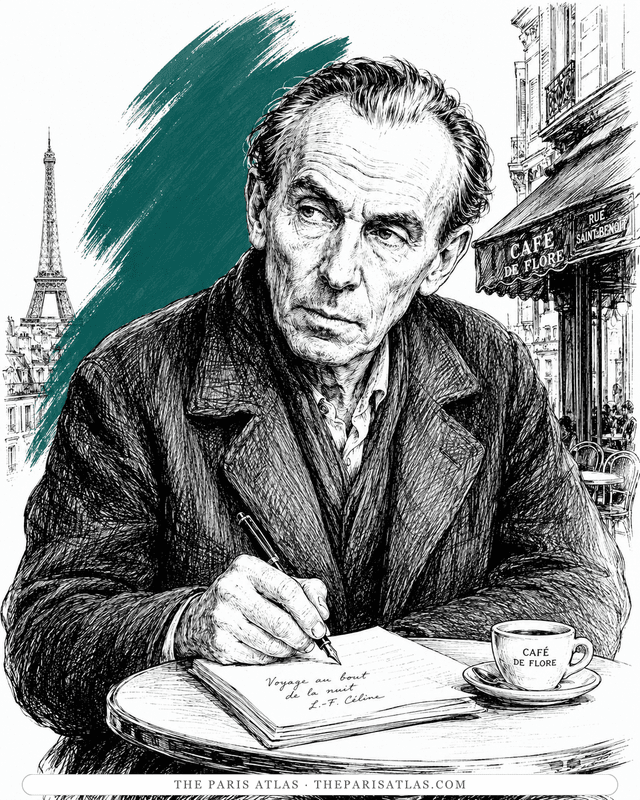
Louis-Ferdinand Céline
The doctor of the Paris slums who wrote the century's blackest, funniest novel — and changed the sound of French prose.
View author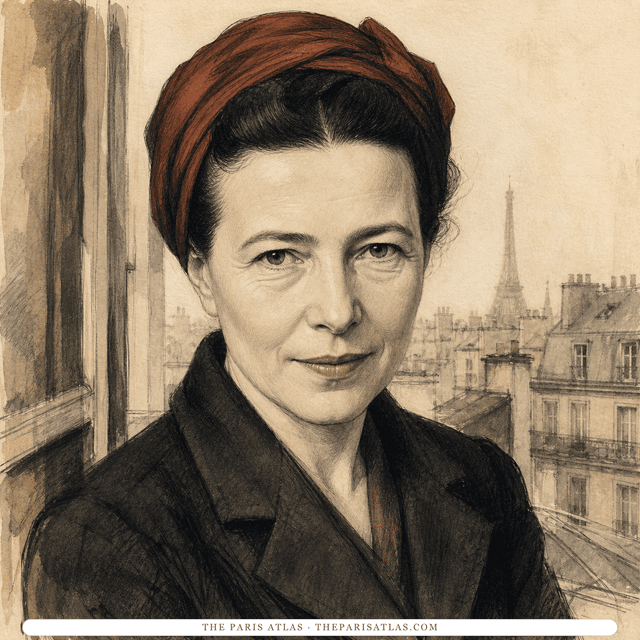
Simone de Beauvoir
French writer and philosopher whose novels, memoirs, and social analysis examined freedom, gender, responsibility, aging, and the material conditions that shape a life.
View author