Captain Ralph Paton
Ackroyd's stepson, handsome, in debt and missing from the night of the murder, with his shoes' prints under the study window.
To get out from under his debts and his stepfather, and to keep a secret he has promised to keep.
The book
The Murder of Roger Ackroyd
Agatha Christie
At a glance
- Ackroyd's stepson, a captain
- In talk throughout; in person in Chapters 23 and 24
Who they are in the book
Spoiler-freeRalph Paton is the obvious suspect and the book keeps him that way. He is the stepson Ackroyd raised and paid for, engaged at his stepfather's wish to his cousin Flora, in debt, and in the village on the night of the murder without telling anyone. He disappears that night and stays disappeared, which is why Flora goes to Poirot.
He is barely on the page. What the reader knows of him comes from Caroline's gossip, Flora's loyalty and Ursula Bourne's silence. Christie uses his absence as the case's shape: everyone protects him, and nobody knows where he is.
How Captain Ralph Paton Is Portrayed
- The looksDark, handsome and charming, the village's favourite, seen at the Three Boars inn the night of the murder.
- The engagementTo Flora Ackroyd, arranged by Ackroyd, and not what it seems.
- The shoesPrints outside the study window match a pair of his; the prints are real and the conclusion is not.
- The absenceGone after the murder, sought by the police in Liverpool and elsewhere.
- The other womanSeen in the woods with a girl who is not Flora, by Caroline's mongoose instinct.
- The entranceWalks into Poirot's reunion in Chapter 23, produced like a card from a sleeve.
Ralph was secretly married to the parlourmaid Ursula Bourne, and it was to her that Ackroyd's plans for him were the obstacle. He had been hidden in a nursing home in Cranchester by Dr Sheppard, on the doctor's advice, which kept suspicion on him until Poirot found him.
If you like The Murder of Roger Ackroyd


If you like Agatha Christie
Explore authors with a similar voice, perspective, and influence.
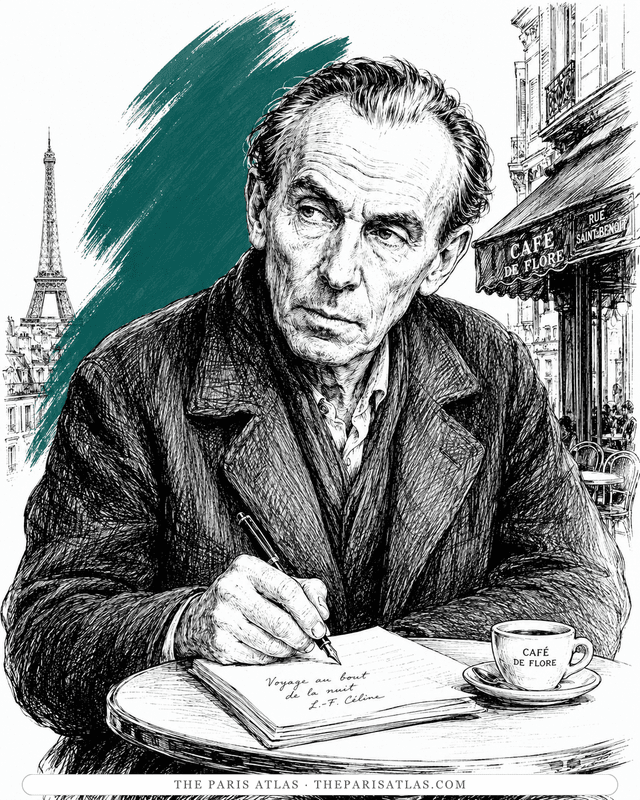
Louis-Ferdinand Céline
The doctor of the Paris slums who wrote the century's blackest, funniest novel — and changed the sound of French prose.
View author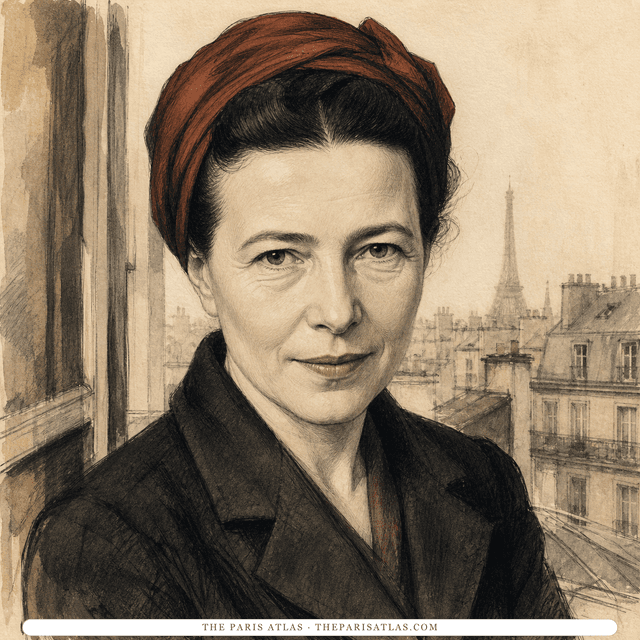
Simone de Beauvoir
French writer and philosopher whose novels, memoirs, and social analysis examined freedom, gender, responsibility, aging, and the material conditions that shape a life.
View author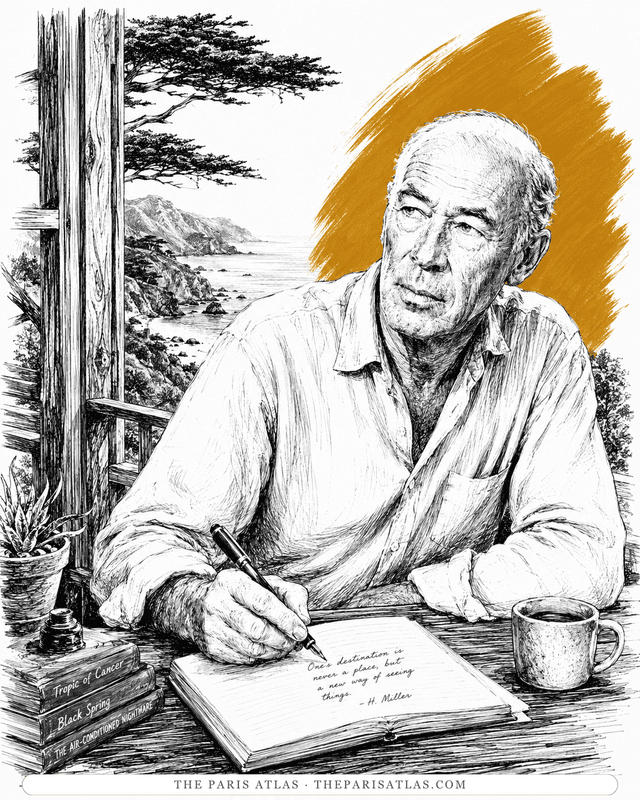
Henry Miller
The Brooklyn dropout who arrived in Paris broke at thirty-eight and wrote the exuberant, banned books that ended American censorship.
View author