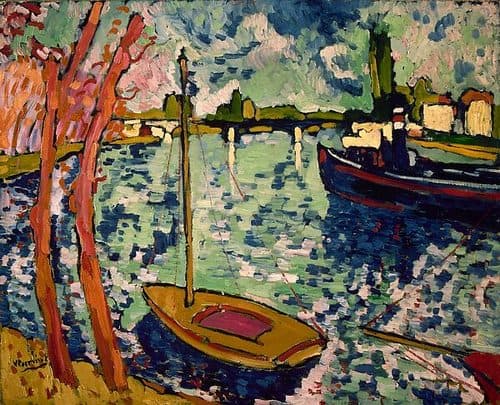
The Seine at Chatou
A riverside landscape painted with forceful brushwork and vivid reds, blues, and greens.
- 1906
- Oil on canvas
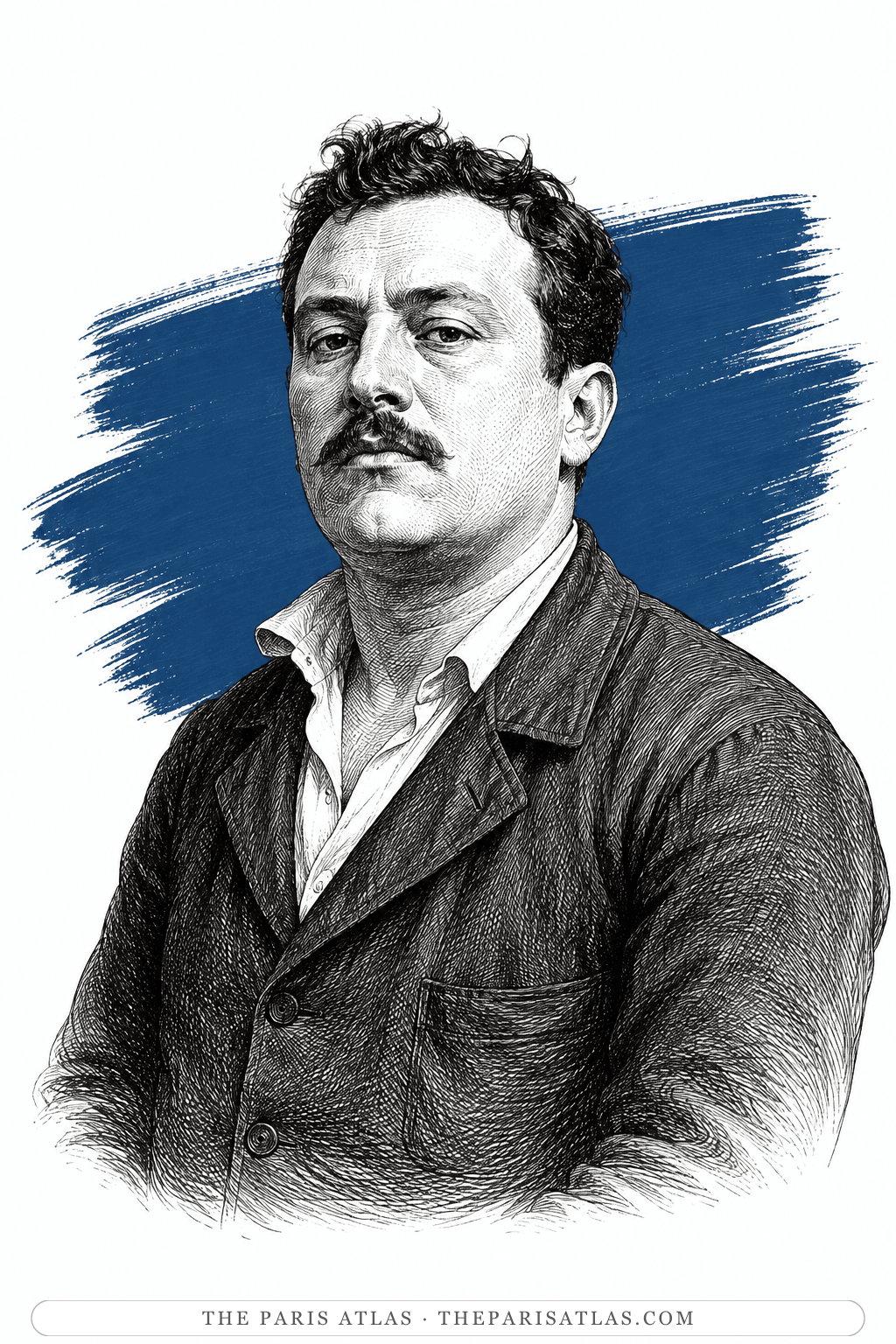
About Maurice de Vlaminck
The Seine from the Île de Chatou
The view appears to have been painted from the Île de Chatou looking across the Seine toward the village and its red-roofed houses. Vlaminck and André Derain had shared a studio on the island since 1900, and their bright colour and bold brushwork became associated with the School of Chatou.
Blue and red combine with white across houses, leaves, tree trunks, and a trawler. Vlaminck applied paint directly from the tube in daubs and swirls, using familiar primary colours with unusual force.
A decisive summer
Early in 1906 the dealer Ambroise Vollard bought Vlaminck’s existing stock, allowing him to devote himself fully to painting. That summer he worked in and around Chatou and made this landscape.
The Metropolitan Museum of Art connects its undisguised brushwork and intuitive application of paint to Vlaminck’s admiration for Van Gogh’s late style. The result is recognisably Chatou but driven by the painter’s material energy and emotional colour.
Close reading
Reading the work, detail by detail
Vlaminck compresses a riverside view into thick colour and forceful directional strokes. These details track how boats, tree trunks, wakes, and reflections collide without sacrificing the basic geography of water and bank.
1.The sailboat is a tilted block of ochre
The boat's mustard hull, red interior, and single dark mast make a blunt geometric anchor. Its slight diagonal disrupts the river's lateral flow and places the viewer directly at the bank.
2.The tugboat carries the darkest weight
A nearly black hull edged in red presses into the pale water. Its mass gives industry a bodily presence and counters the smaller pleasure boat below.
3.Red trunks make the near bank flare
The trunks rise in hot orange and red, colours intensified by surrounding blues and greens. Their cropped forms announce proximity more through chromatic force than through careful modelling.
4.The far bank is reduced to a narrow code
Small pale rectangles and dark verticals are enough to establish houses and industry. Packed into a thin strip, they make the broad river feel more expansive by contrast.
5.Reflection breaks the tugboat apart
Below the hull, short strokes scatter its darkness into blue water. The reflection does not mirror the boat so much as translate its colours into a looser, more agitated syntax.
6.The foreground water keeps every stroke separate
Dashes of light and dark remain individually legible instead of dissolving into an optical shimmer. Their changing directions make the surface feel churned, as if the boats have disturbed both water and paint.
Where to see it
Metropolitan Museum of Art, New York
1000 Fifth Avenue, New York, NY 10028, United States
Displays and loans can change. Check whether this work is on view before making a special trip.
Plan your visit on the museum’s official website (opens in a new tab)Frequently asked questions
What place does The Seine at Chatou show?
It appears to show the village of Chatou from the Île de Chatou, a long narrow island in the Seine west of Paris.
When did Vlaminck paint The Seine at Chatou?
He painted it in 1906, during a summer spent working in and around Chatou.
How did Vlaminck apply the colour?
The Met describes him applying blue, red, and white directly from the tube in daubs and swirls of pigment.
How large is The Seine at Chatou?
The oil-on-canvas painting measures 81.6 by 101 centimetres.
Where is The Seine at Chatou?
It belongs to the Metropolitan Museum of Art in New York as part of the Jacques and Natasha Gelman Collection.
If you like Maurice de Vlaminck
Explore painters from the same movements and circles.
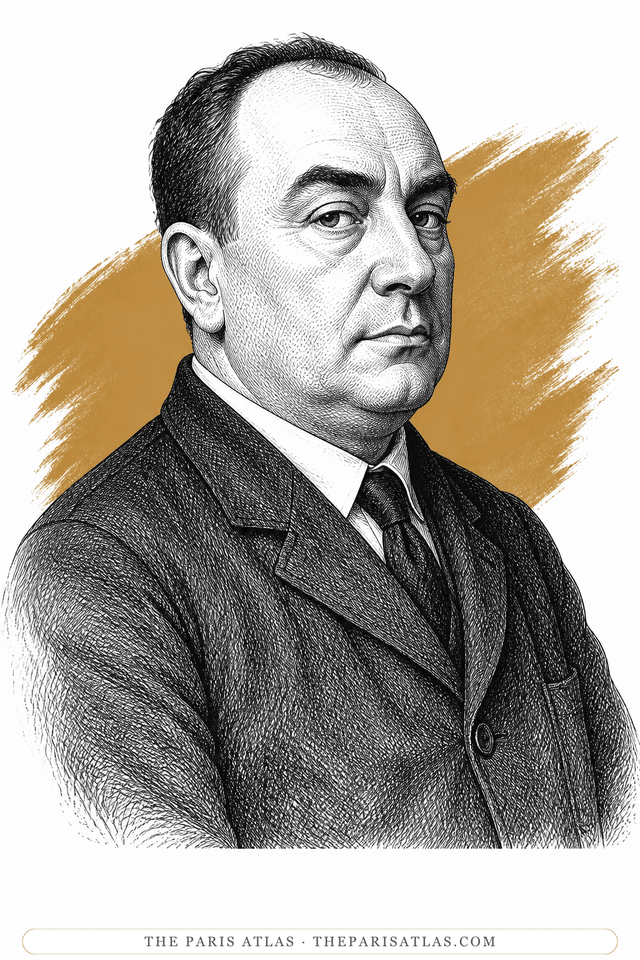
André Derain
French painter who helped invent Fauvism with Henri Matisse at Collioure, translated London into explosive colour, and then turned toward an increasingly classical art.
View artist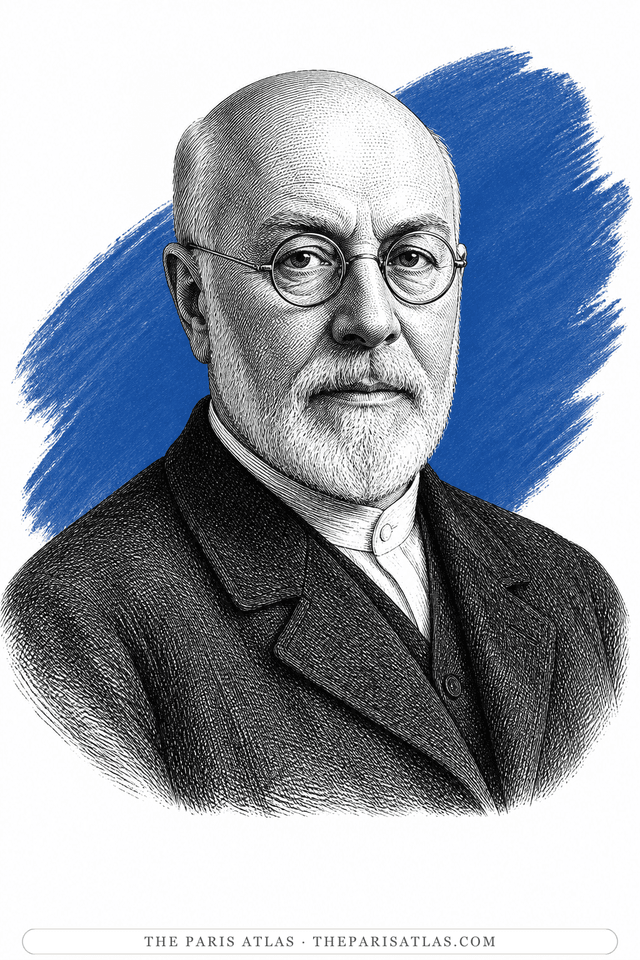
Henri Matisse
French painter whose room at the Paris Salon d'Automne of 1905 earned the name Fauvism — 'wild beasts' — from a critic's joke. He worked from 19 quai Saint-Michel, was bought early by Gertrude and Leo Stein, and began a forty-year rivalry with Pablo Picasso at the Steins' salon.
View artist
Tarsila do Amaral
Brazilian painter who spent the 1920s moving between São Paulo and Paris, studied Cubism under André Lhote, Albert Gleizes and Fernand Léger, and used what she learned to paint Brazilian towns, railways, plants and bodies. Her 1928 painting Abaporu prompted the manifesto that gave the Anthropophagic movement its name.
View artist
References
The sources below include collection records, catalogues, scholarly research, and primary materials that informed this page. They document The Seine at Chatou, its making, and its place in cultural history.

1Maurice de Vlaminck, The Seine at Chatou
WebsiteThe Metropolitan Museum of ArtUsed forWeb source consulted for documented facts and historical context presented on the The Seine at Chatou page.
2Maurice de Vlaminck (1876–1958)
WebsiteMusée d’OrsayUsed forWeb source consulted for documented facts and historical context presented on the The Seine at Chatou page.
3Maurice de Vlaminck
WebsiteMuseum of Modern ArtUsed forWeb source consulted for documented facts and historical context presented on the The Seine at Chatou page.
4Fauvism
WebsiteThe Metropolitan Museum of ArtUsed forWeb source consulted for documented facts and historical context presented on the The Seine at Chatou page.
These references provide the documented foundation for this work's history and interpretation. Claim-level citations remain attached to the specific claims they support.
 Explore more resources