
Niki Shino
Jumpei's mother, named only in the official papers that return the ending to the life he left outside the dunes.
The book

At a glance
- Jumpei's mother
- Official disappearance material only
- None supplied by the novel
- Evidence of the life and family Jumpei left behind
Who they are in the book
Spoiler-freeNiki Shino is Jumpei's mother. She does not enter the action in the pit and the novel gives her no scene, dialogue, age, or physical description. Her name appears in the official material concerning her son's disappearance.
That small appearance matters because most of the novel follows Jumpei so closely that his old life becomes difficult to see. The legal record restores one concrete family connection. A person outside the dunes has continued to know him as a missing son, not as the inventor and worker he becomes in the pit.
The book does not tell readers what Shino thinks happened or whether she ever receives an answer. Her absence from the main story measures the distance between Jumpei's new daily life and the people for whom he simply vanished.
How Niki Shino Is Portrayed
- Named in official paperworkShino reaches the reader through a formal record rather than through a narrated meeting with her son.
- No physical descriptionAbe supplies no age, appearance, clothing, or gesture. Any portrait of her must remain an explicitly non-specific editorial illustration.
- No independent voiceThe novel does not quote her or explain her response to Jumpei's disappearance.
- A reminder of the city lifeHer name reconnects Jumpei to a family relationship that the closed world of the pit has pushed out of the narrative.
The novel closes with official papers rather than a final scene in the pit. Those documents identify Niki Shino as Jumpei's mother and record the legal consequences of his long absence.
Seven years after he vanished, Jumpei is declared missing. Shino's name makes the cost outside the dunes visible without inventing a reunion, a search scene, or an explanation that Abe never provides.
If you like The Woman in the Dunes


If you like Kōbō Abe
Explore authors with a similar voice, perspective, and influence.
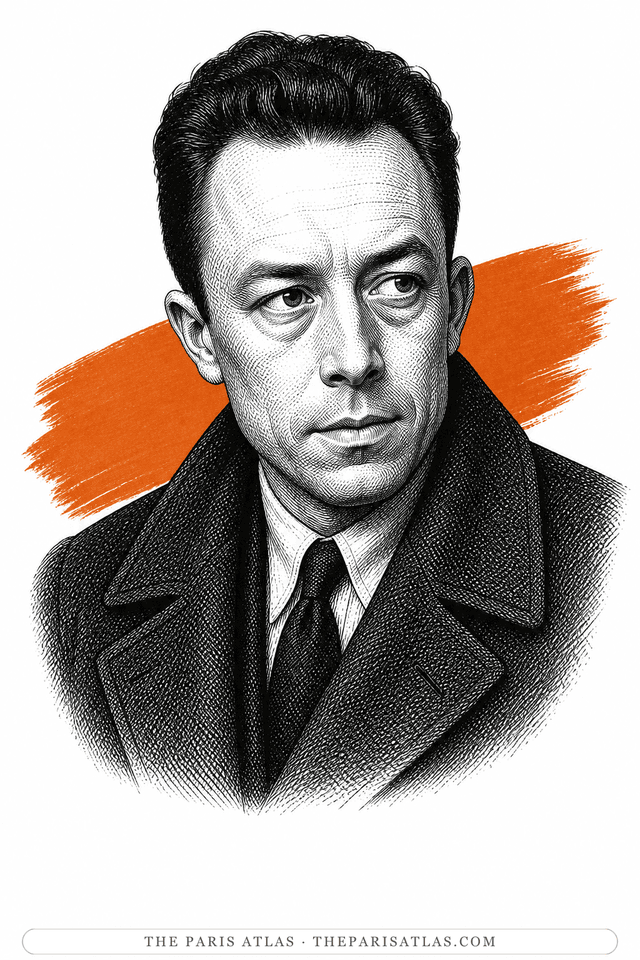
Albert Camus
French Algerian novelist, essayist, journalist and playwright who used the absurd and revolt to ask how people should live without false consolation.
View author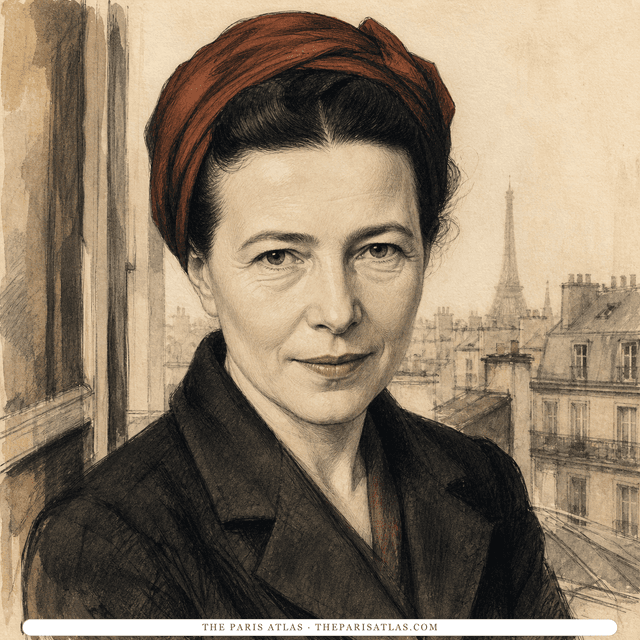
Simone de Beauvoir
French writer and philosopher whose novels, memoirs, and social analysis examined freedom, gender, responsibility, aging, and the material conditions that shape a life.
View author
Sylvia Plath
American poet who came to Paris in the spring of 1956, in the middle of her Fulbright year at Cambridge, to find the man she had been in love with for three years — and found he had gone. She had met Ted Hughes weeks before; she married him that June, and the honeymoon came back through Paris.
View author