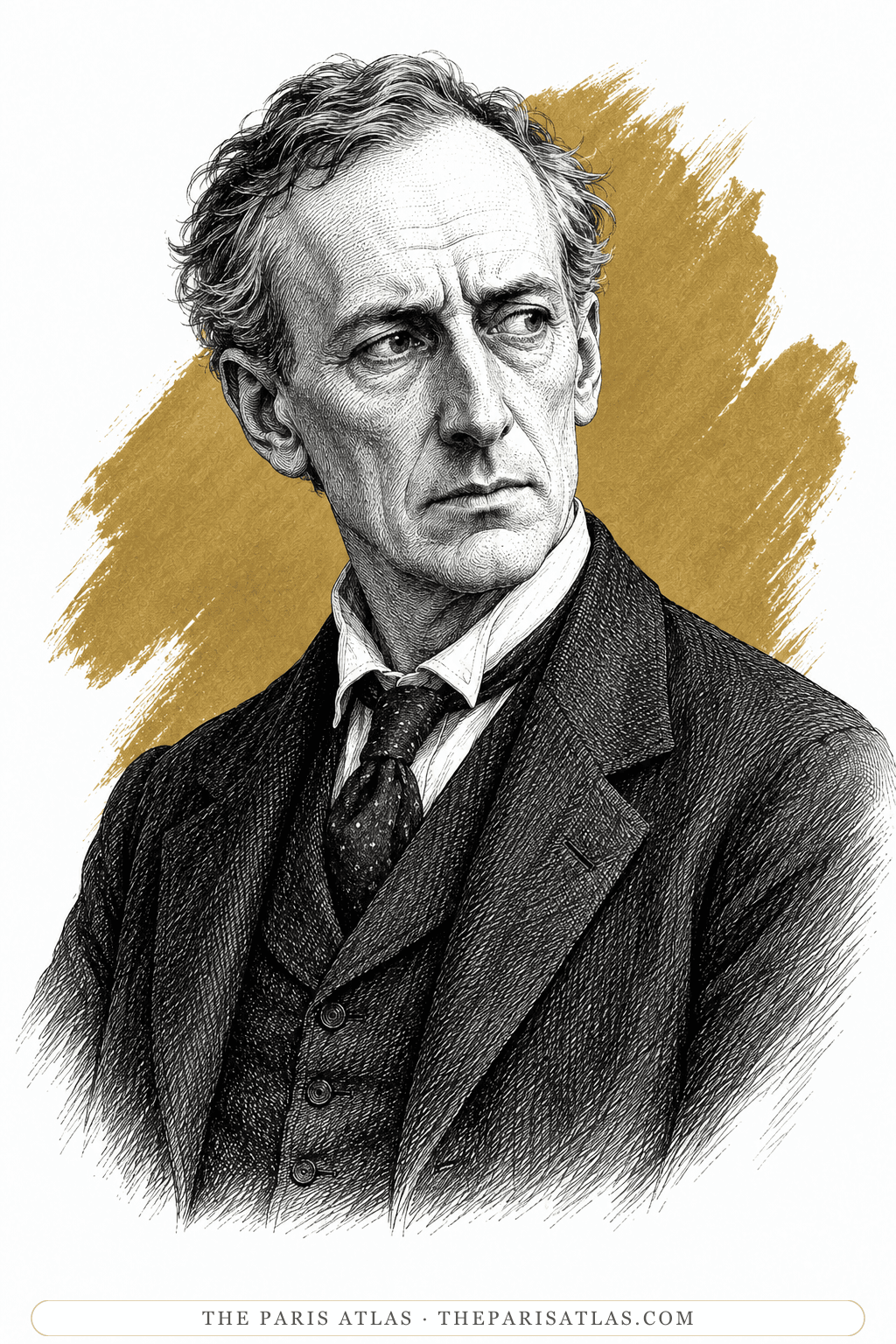
Mr. Ramsay
The fictional philosopher and father whose intellectual discipline is accompanied by insecurity and a strong demand for reassurance.
He wants his work to matter and his family to recognize his need for love, even when his manner makes that recognition difficult.
The book

Who they are in the book
Spoiler-freeMr. Ramsay can be exacting, theatrical and hurtful, but is also capable of affection, absorption in books and delight in practical things. The different views his family takes of him resist a single judgment.
How Mr. Ramsay Is Portrayed
- Making a fact hurtIn The Window, Chapter 1, Mr. Ramsay insists that the weather will prevent the lighthouse trip. His certainty gives James an experience of authority as disappointment, turning a forecast into a lasting family memory.
- Stopping at the letter QIn The Window, Chapter 6, he imagines thought as progress through an alphabet and fears that he cannot reach the next letter. The comic comparison reveals how vulnerable his confidence is to an imagined limit on his achievement.
- Asking to be restoredIn The Window, Chapter 7, he repeatedly calls himself a failure and seeks his wife's assurance that he matters. The narration follows both the relief he receives and the energy the encounter takes from her.
- Losing himself in a bookIn The Window, Chapter 19, reading Walter Scott moves Mr. Ramsay to tears and briefly releases him from concern about his own reputation. The scene makes room for a reader's pleasure within a character often preoccupied with being read.
- Talking about good bootsIn The Lighthouse, Chapter 3, Lily's compliment about his boots interrupts his demand for sympathy. He explains their construction and demonstrates a knot, finding a moment of ordinary companionship through a practical interest.
- Praising James’s steeringIn The Lighthouse, Chapter 13, Mr. Ramsay finally praises James as they approach the destination. Cam recognizes how much the words matter to her brother. The gesture changes the crossing without claiming to repair every injury in their past.
If you like To the Lighthouse


If you like Virginia Woolf
Explore authors with a similar voice, perspective, and influence.
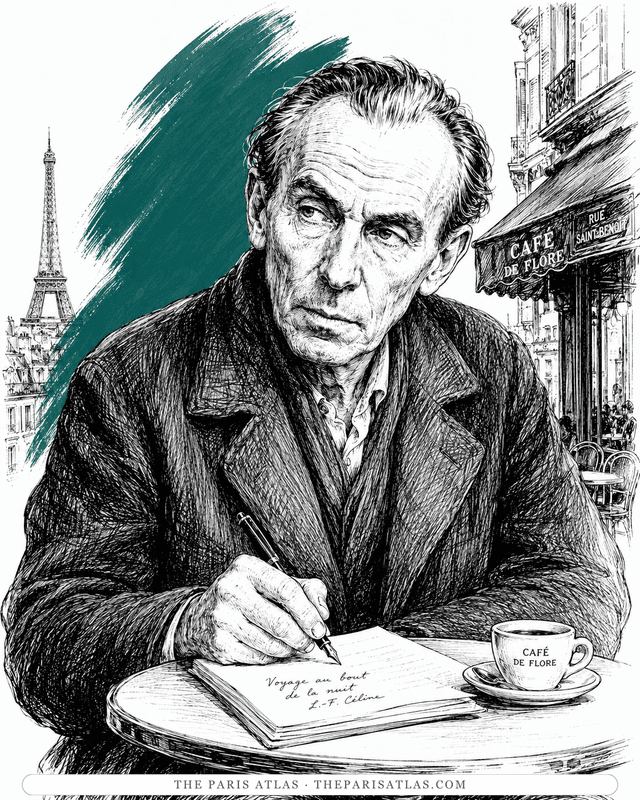
Louis-Ferdinand Céline
The doctor of the Paris slums who wrote the century's blackest, funniest novel — and changed the sound of French prose.
View author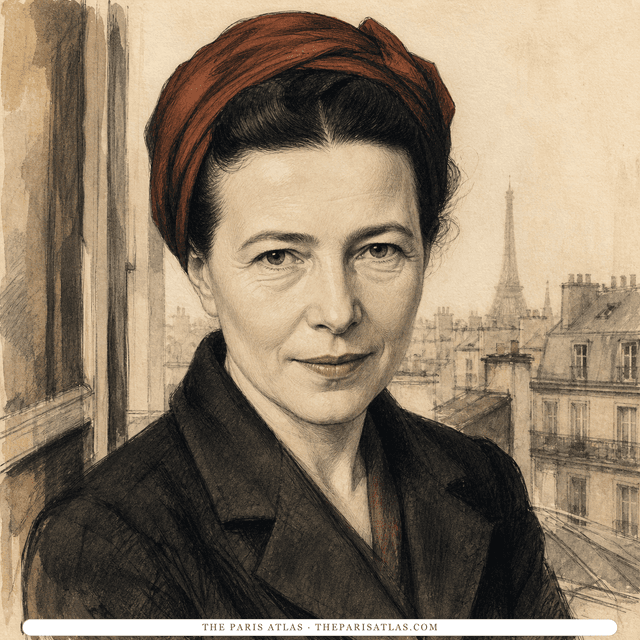
Simone de Beauvoir
French writer and philosopher whose novels, memoirs, and social analysis examined freedom, gender, responsibility, aging, and the material conditions that shape a life.
View author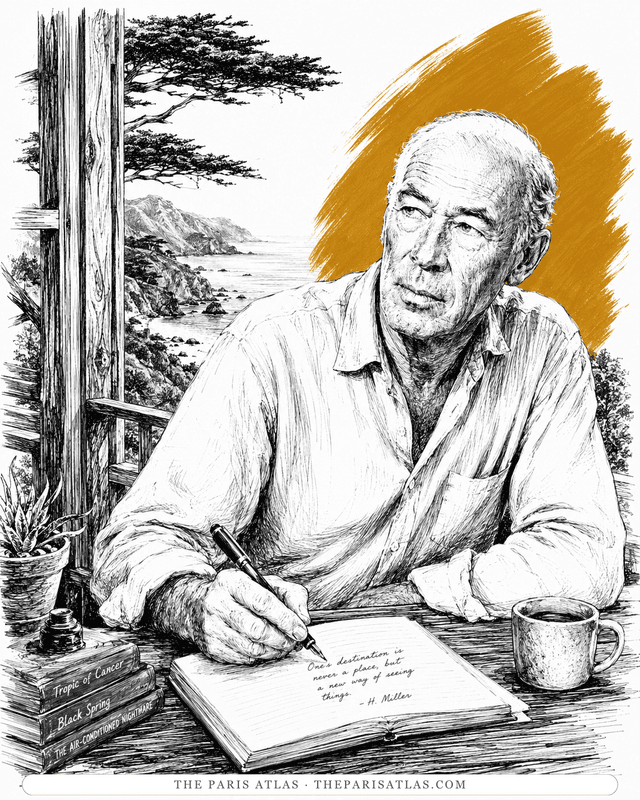
Henry Miller
The Brooklyn dropout who arrived in Paris broke at thirty-eight and wrote the exuberant, banned books that ended American censorship.
View author