The Paris AtlasCharting the artists, works, and places worth returning to.

In their own words

James Joyce quotes

16 quotations, each verified against its source and credited to the work it comes from — the wording as James Joyce wrote or said it, not as the internet passes it around.

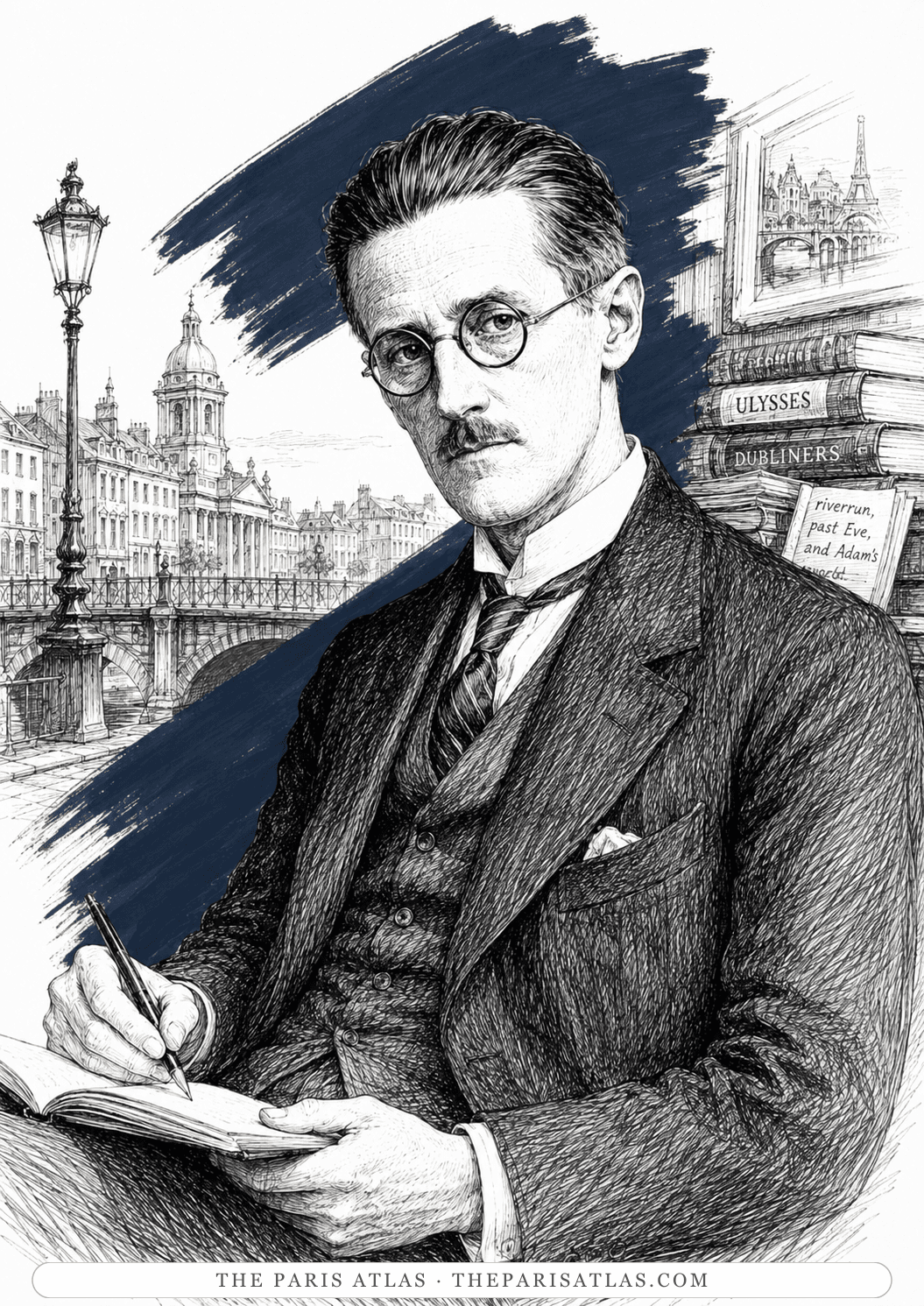
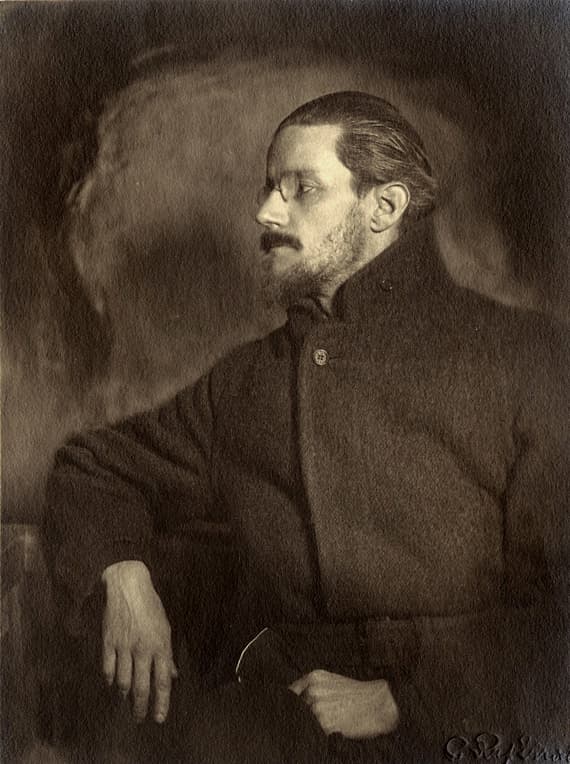
Illustrated portrait of James Joyce

How these quotes were checked

How we decide whether a quote is genuine

James Joyce gave few interviews and guarded his talk, so most of what circulates over his name comes from two printed conversations: Djuna Barnes' profile in the April 1922 Vanity Fair, and Max Eastman's account in The Literary Mind. Every line above is checked against a scan of the original printing. His most-quoted sentences, though, come from the novels — Molly Bloom's closing yes, “History is a nightmare from which I am trying to awake,” “silence, exile, and cunning” — and those are credited to the books they belong to, with their speakers named, on the pages for Ulysses, Dubliners and A Portrait of the Artist as a Young Man.

Four famous Hemingway quotes, fact-checked

A sentence linked to Hemingway may be exact, shortened, remembered by someone else, or unsupported. Each label below explains what the available evidence actually proves.

Common paraphrase

Mistakes are the portals of discovery.

What Joyce wrote, in the National Library chapter of Ulysses, is: “A man of genius makes no mistakes. His errors are volitional and are the portals of discovery.” The words are Stephen Dedalus's, in the middle of his Shakespeare argument. The short form drops the speaker, the genius, and the claim that the errors are deliberate — which is most of the sentence's meaning.

  • James Joyce, Ulysses (Project Gutenberg #4300) (1922)
The pity is, the public will demand and find a moral in my book—or worse they may take it in some more serious way, and on the honour of a gentleman, there is not one single serious line in it.
James Joyce on Ulysses, in conversation with Djuna Barnes, Vanity Fair, April 1922
They are all there, the great talkers, them and the things they forgot. In Ulysses I have recorded, simultaneously, what a man says, sees, thinks, and what such seeing, thinking, saying does, to what you Freudians call the subconscious.
James Joyce, in conversation with Djuna Barnes, Vanity Fair, April 1922
The demand that I make of my reader is that he should devote his whole life to reading my works.
James Joyce, in conversation with Max Eastman, quoted in Eastman's The Literary Mind (1931)
The Irish are people who will never have leaders, for at the great moment they always desert them. They have produced one skeleton—Parnell—never a man.
James Joyce, in conversation with Djuna Barnes, Vanity Fair, April 1922
All great talkers have spoken in the language of Sterne, Swift or the Restoration. Even Oscar Wilde. He studied the Restoration through a microscope in the morning and repeated it through a telescope in the evening.
James Joyce, in conversation with Djuna Barnes, Vanity Fair, April 1922
Hamlet is a great play, written from the standpoint of the ghost.
James Joyce, in conversation with Djuna Barnes, Vanity Fair, April 1922
Welcome, O life! I go to encounter for the millionth time the reality of experience and to forge in the smithy of my soul the uncreated conscience of my race.
Stephen Dedalus (diary) · James Joyce, A Portrait of the Artist as a Young Man (1916), the closing diary entries
I will try to express myself in some mode of life or art as freely as I can and as wholly as I can, using for my defence the only arms I allow myself to use—silence, exile and cunning.
Stephen Dedalus (dialogue) · James Joyce, A Portrait of the Artist as a Young Man (1916), Chapter V
When the soul of a man is born in this country there are nets flung at it to hold it back from flight. You talk to me of nationality, language, religion. I shall try to fly by those nets.
Stephen Dedalus (dialogue) · James Joyce, A Portrait of the Artist as a Young Man (1916), Chapter V
His soul swooned slowly as he heard the snow falling faintly through the universe and faintly falling, like the descent of their last end, upon all the living and the dead.
Narration (Gabriel Conroy's reflection) · James Joyce, “The Dead,” Dubliners (1914) — the collection's final sentence
Gazing up into the darkness I saw myself as a creature driven and derided by vanity; and my eyes burned with anguish and anger.
The boy narrator · James Joyce, “Araby,” Dubliners (1914) — the story's final sentence
…and first I put my arms around him yes and drew him down to me so he could feel my breasts all perfume yes and his heart was going like mad and yes I said yes I will Yes.
Molly Bloom (interior monologue) · James Joyce, Ulysses (1922), “Penelope” — the novel's final words
—History, Stephen said, is a nightmare from which I am trying to awake.
Stephen Dedalus (dialogue) · James Joyce, Ulysses (1922), “Nestor”
Love loves to love love.
Narration (the Cyclops parodist) · James Joyce, Ulysses (1922), “Cyclops”
Ineluctable modality of the visible: at least that if no more, thought through my eyes.
Stephen Dedalus (interior monologue) · James Joyce, Ulysses (1922), “Proteus” — its opening words
A man of genius makes no mistakes. His errors are volitional and are the portals of discovery.
Stephen Dedalus (dialogue) · James Joyce, Ulysses (1922), “Scylla and Charybdis”

From the books

Every book with a quote collection of its own, each line verified against the text.

Questions about James Joyce quotes

What is James Joyce's most famous quote?

The end of Ulysses: “yes I said yes I will Yes.” The words are Molly Bloom's, the character whose night-thoughts close the novel, so the line is credited to her on the Ulysses quotes page rather than to Joyce speaking as himself. Of the things Joyce actually said in his own voice, the best known is his remark to the American editor Max Eastman: “The demand that I make of my reader is that he should devote his whole life to reading my works.”

Did James Joyce say “Mistakes are the portals of discovery”?

Not in those words. The sentence in Ulysses is Stephen Dedalus's: “A man of genius makes no mistakes. His errors are volitional and are the portals of discovery.” The short form drops the speaker and the point — that a genius errs on purpose — and does not appear anywhere in the novel's text.

Did James Joyce give interviews?

Very rarely, which is why his verified spoken remarks nearly all trace to two printed conversations: Djuna Barnes' profile of him in the April 1922 Vanity Fair, drawn from months of café conversations as Ulysses appeared, and Max Eastman's account of talking with him in The Literary Mind (1931). Both printings are quoted above from scans of the original pages.

What did James Joyce say about Ulysses?

Two things, both to Djuna Barnes in 1922: that the public would insist on finding a moral in a book that, “on the honour of a gentleman,” contains not one single serious line — and, when she asked what the novel does, that it records simultaneously what a man says, sees and thinks, and what that seeing, thinking and saying does to the subconscious.

References

References

The sources below are the editions, archives, and full-text searches used to verify the quotations on this page. Every line was checked against one or more of them before it appeared here.

  1. 1James Joyce: A Portrait of the Man Who Is, at Present, One of the More Significant Figures in Literature — Vanity Fair, April 1922

    Periodical
    Djuna Barnes, 1922
    Used for

    The April 1922 interview; wording checked against the Internet Archive scan of the issue (sim_vanity-fair_1922-04_18_2).

    View source
  2. 2The Literary Mind: Its Place in an Age of Science — Internet Archive scan

    Nonfiction
    Charles Scribner's Sons, 1931
    Used for

    Eastman prints Joyce's reply and vouches that it came “in exactly these words.”

    View source
  3. 3Ulysses (Project Gutenberg #4300)

    Novel
    Project Gutenberg, 1922
    Used for

    The complete text, searched for the attribution check.

    View source
i
Why these sources are here

Verification is the point of this collection: a quotation is listed only when its wording has been checked against the sources above, and the attribution notes record what each check found about the famous lines that failed.

Explore more resources

The Friday Letter

One story from the atlas, every Friday.

No algorithms chasing attention. A work, a place, and the connection between them — with the history checked.

One email a week. No spam, no selling your address. Unsubscribe anytime.