
Mr. Beattie
An unconventional teacher whose encounter with the narrator leads to the novel’s moral climax.
To pursue companionship and desire beyond the school’s rules.
The book

Who they are in the book
Spoiler-freeMr. Beattie is an older teacher associated with jazz, marijuana, and an adult life outside the school’s respectable surface. His relationship with a student involves a serious imbalance of age and institutional power.
The narrator seeks Beattie’s attention and then uses school authority against him. White makes the betrayal morally important without turning the adult teacher into an uncomplicated romantic victim.
How Mr. Beattie Is Portrayed
- UnconventionalHis loosened formality separates him from the school’s official culture.
- Associated with jazzMusic places him near a less respectable adult world.
- WaryHe understands that the relationship crosses institutional boundaries.
- Adult authorityHis position makes the encounter unequal even when the narrator initiates it.
- TrustedThe narrator first approaches him as a route toward adult intimacy.
- ExposedThe same student later turns institutional judgment against him.
After their sexual encounter, the narrator reports Beattie and the teacher is dismissed. The boy uses that exposure to deny solidarity with the man he had pursued.
If you like A Boy's Own Story


If you like Edmund White
Explore authors with a similar voice, perspective, and influence.

Charles Bukowski
American poet and novelist of Los Angeles rooming houses, racetracks and the post office, who quit his job to write when a publisher offered him a hundred dollars a month. He came to Paris once, in September 1978, drank his way through a live television book programme and walked off the set — and French television has been replaying it ever since.
View author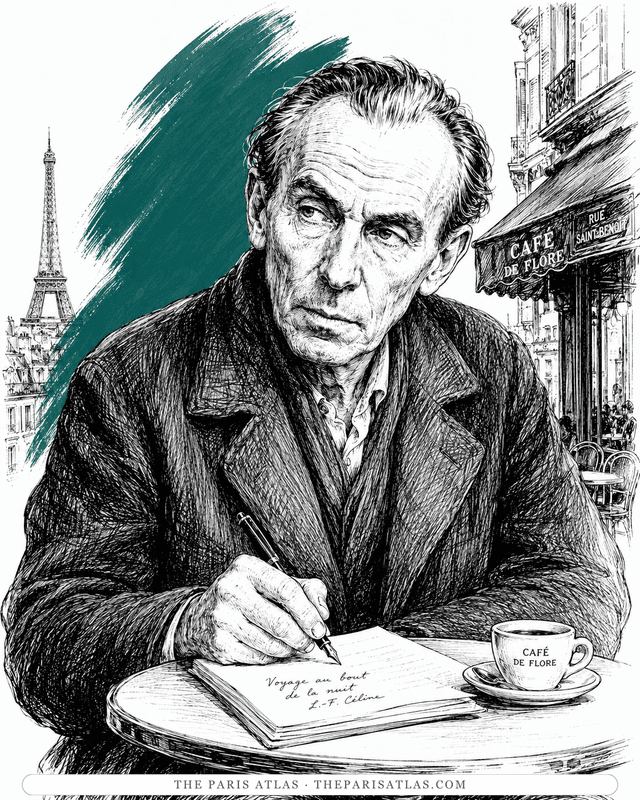
Louis-Ferdinand Céline
The doctor of the Paris slums who wrote the century's blackest, funniest novel — and changed the sound of French prose.
View author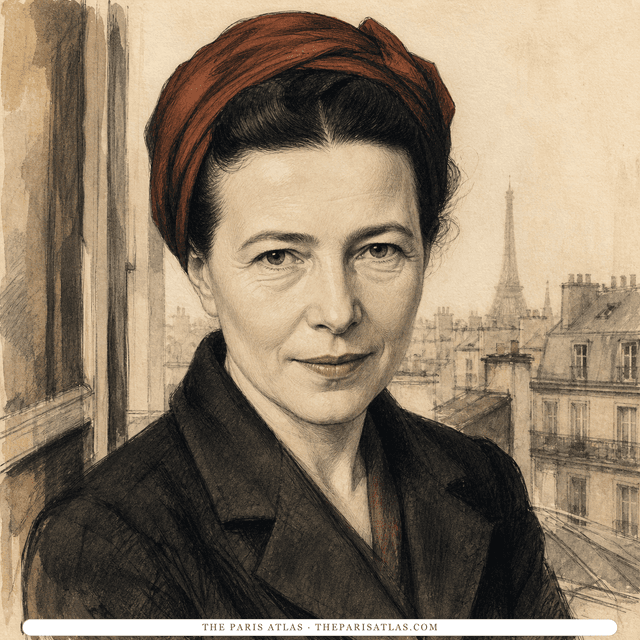
Simone de Beauvoir
French writer and philosopher whose novels, memoirs, and social analysis examined freedom, gender, responsibility, aging, and the material conditions that shape a life.
View author