
The unnamed narrator
A gifted but unreliable self-interpreter looking back on the shame, longing, and betrayals of his adolescence.
To be loved by men while retaining the approval and conventional future he believes society requires.
The book

Who they are in the book
Spoiler-freeThe middle-aged narrator looks back at his adolescence in the American Midwest during the 1940s and 1950s. He wants intimacy with men while trying to escape the social identity attached to that desire.
His intelligence allows him to see much of his own vanity, fear, opportunism, and cruelty. It does not prevent him from rationalizing actions that hurt other people.
How The unnamed narrator Is Portrayed
- Bookish and self-consciousHe understands himself through books, art, and elaborate private explanations.
- Hungry for male approvalAdmiration of fathers, friends, teachers, and older men repeatedly becomes desire.
- A retrospective voiceThe adult narrator gives adolescent scenes an irony the boy himself could not possess.
- Skilled at rationalizationHe invents explanations that let him seek men while denying what those encounters mean.
- Vain as well as vulnerableHis sensitivity does not keep him from using or judging other people.
- Capable of betrayalHis fear of identification culminates in reporting Mr. Beattie.
After initiating a sexual encounter with Mr. Beattie, the narrator reports him to the school. The betrayal protects his fantasy of separateness but becomes the moral failure the adult narrator cannot excuse.
If you like A Boy's Own Story


If you like Edmund White
Explore authors with a similar voice, perspective, and influence.
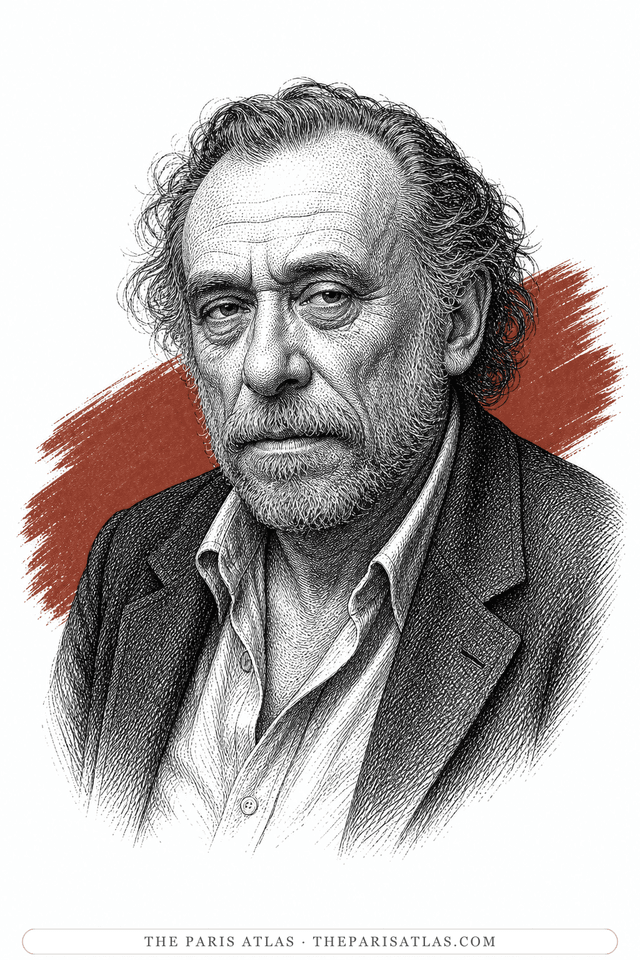
Charles Bukowski
American poet and novelist of Los Angeles rooming houses, racetracks and the post office, who quit his job to write when a publisher offered him a hundred dollars a month. He came to Paris once, in September 1978, drank his way through a live television book programme and walked off the set — and French television has been replaying it ever since.
View author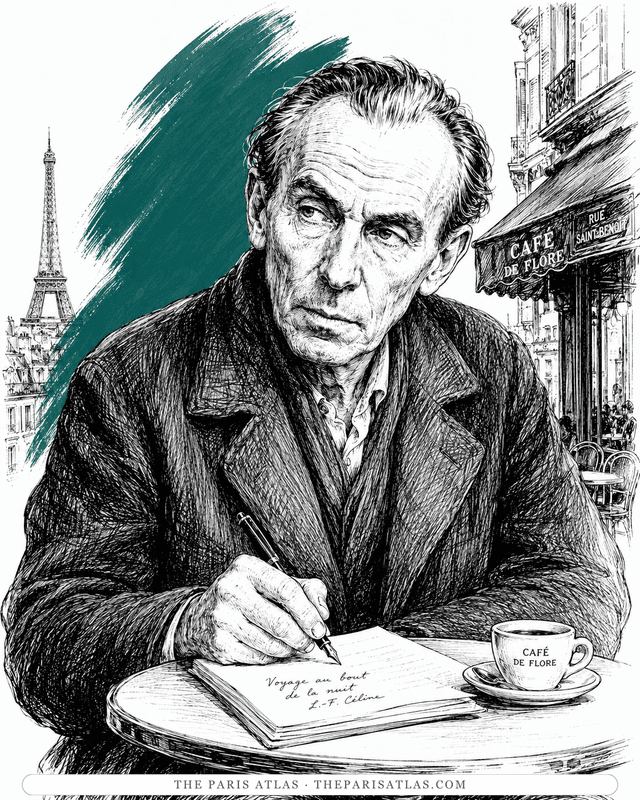
Louis-Ferdinand Céline
The doctor of the Paris slums who wrote the century's blackest, funniest novel — and changed the sound of French prose.
View author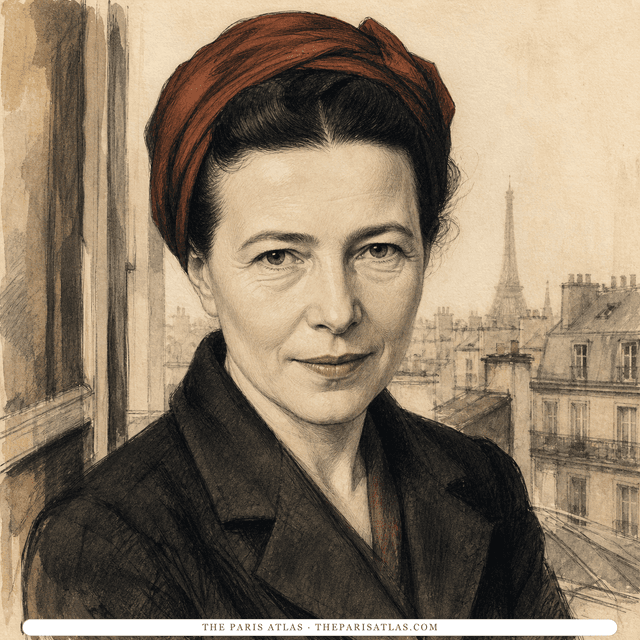
Simone de Beauvoir
French writer and philosopher whose novels, memoirs, and social analysis examined freedom, gender, responsibility, aging, and the material conditions that shape a life.
View author