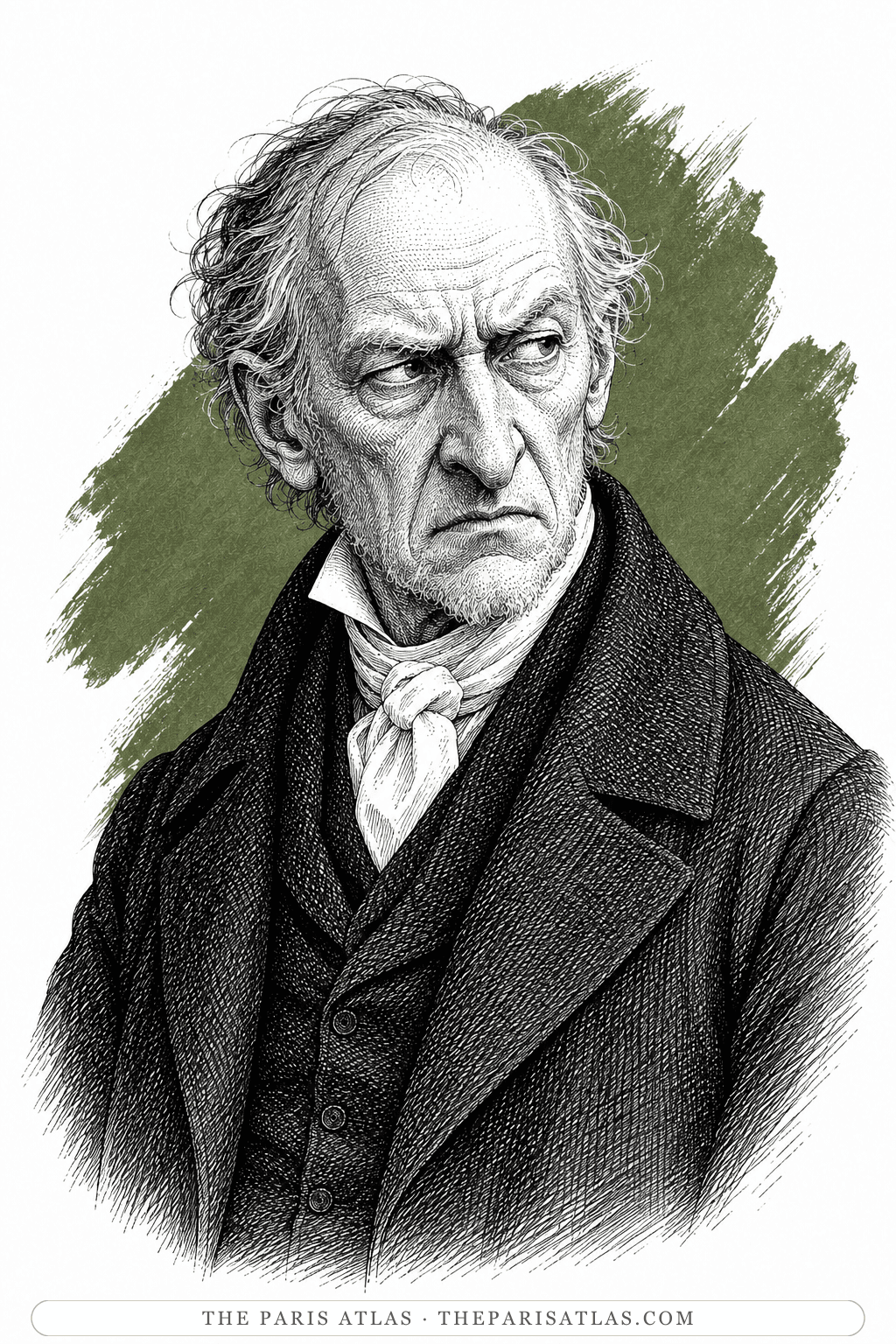
Ebenezer Scrooge
A prosperous London businessman whose haunted Christmas changes the uses he finds for money and time.
At first he wants to be left alone with his business; later he wants the time and freedom to repair the harm that way of living has done.
The book

Who they are in the book
Spoiler-freeScrooge initially treats other people's needs as an intrusion. The spirits make him see that detachment as a series of choices, then leave him with opportunities to choose differently.
How Ebenezer Scrooge Is Portrayed
- Delegating compassion to institutionsIn Stave I, he answers a request for food and warmth by invoking prisons and workhouses. The reply allows him to treat his contribution to a system as a reason to ignore particular people.
- Recognizing a lonely childIn Stave II, the sight of his forgotten younger self makes him weep. He then remembers the singer he drove from his door and wishes he had given the boy something. The memory changes how he thinks about that recent encounter.
- Defending a generous employerIn Stave II, he insists that Fezziwig's kindness is worth more than the money spent on a party. His own argument brings Bob to mind and exposes the limits of measuring everything by its price.
- Hearing his own words about TimIn Stave III, he asks whether Tiny Tim will live. The spirit returns his earlier remark about surplus population, making an abstract dismissal unbearable when attached to a child he has just watched.
- Questioning an inevitable endingIn Stave IV, he asks whether the visions show what must happen or what may happen. His plea at the grave turns terror into a commitment to change the course that produced it.
- Changing the terms of employmentIn Stave V, he raises Bob's salary, offers help to the family and orders more coal. The narrator confirms that he follows through, so the ending rests on sustained conduct as well as a morning's excitement.
If you like A Christmas Carol


If you like Charles Dickens
Explore authors with a similar voice, perspective, and influence.
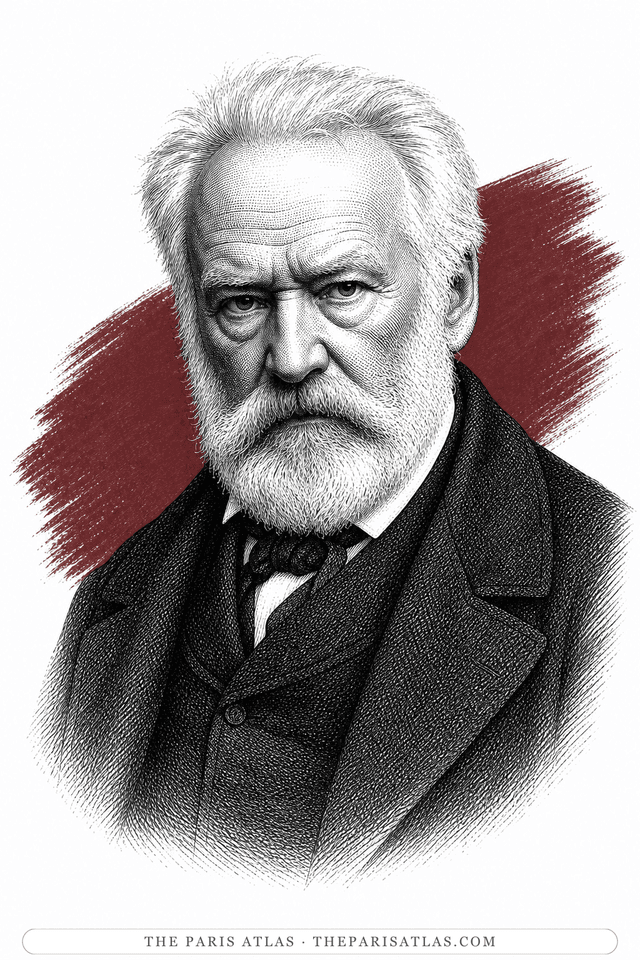
Victor Hugo
Poet, novelist and playwright who spent sixteen years in an apartment on the Place des Vosges that is now his museum, wrote a novel about Notre-Dame that shamed France into repairing the cathedral, spent nineteen years in exile for opposing the emperor Napoleon III, and was buried in the Panthéon — the Paris monument where France buries its most honoured dead — in 1885 after a funeral that brought roughly two million people into the streets of Paris.
View author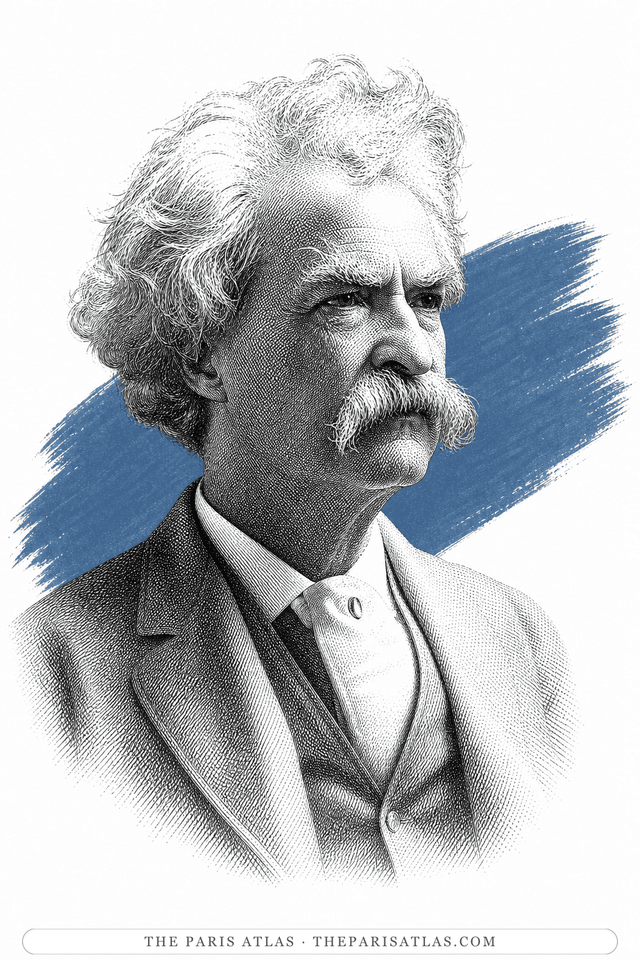
Mark Twain
The Missouri newspaperman who became America's most famous writer, and whose first book made its reputation partly out of Paris: in 1867 he arrived with a shipload of American tourists, renamed his guide Ferguson, watched the high-kicking can-can through his fingers and wrote it all down. He kept coming back — and was living in Paris in the mid-1890s, broke, while finishing the novel he considered his best, Personal Recollections of Joan of Arc.
View author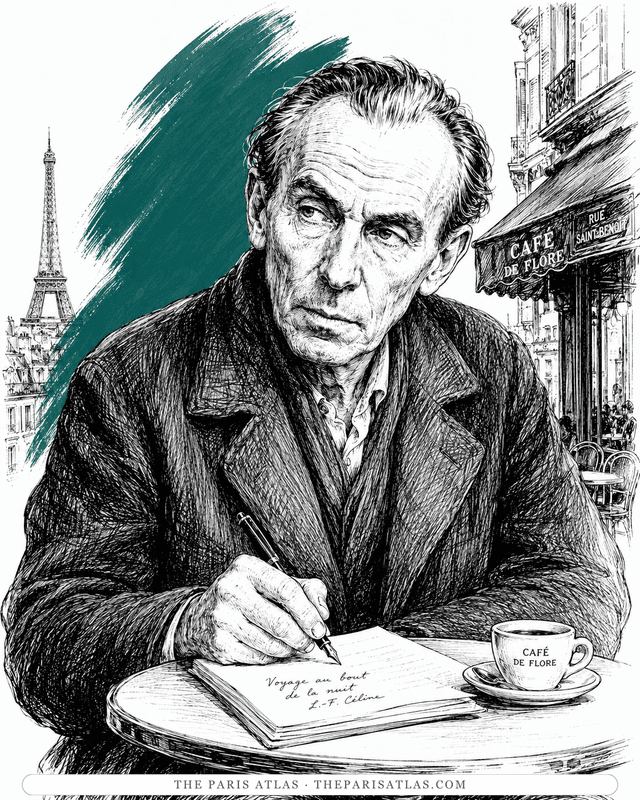
Louis-Ferdinand Céline
The doctor of the Paris slums who wrote the century's blackest, funniest novel — and changed the sound of French prose.
View author