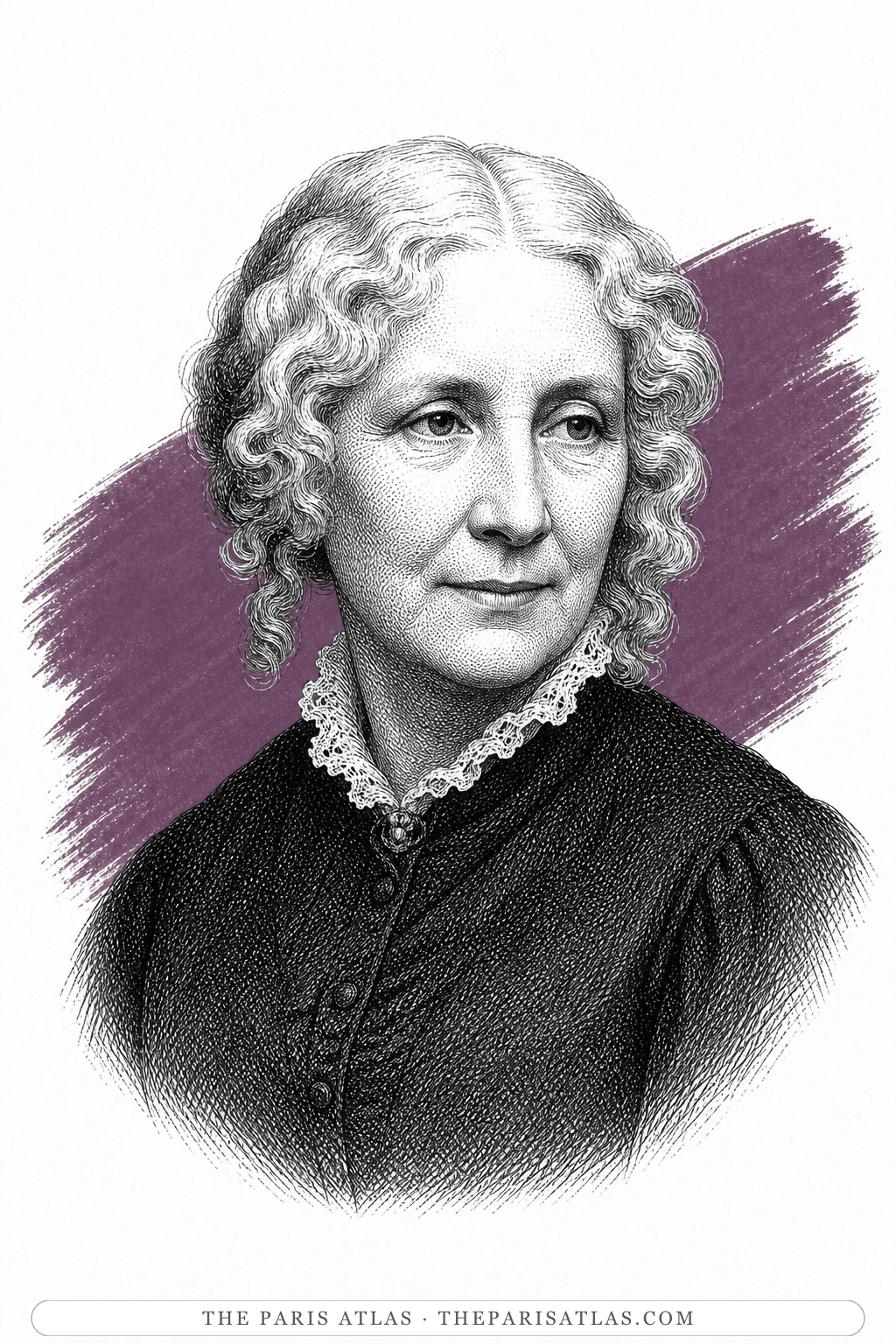
Uncle Tom's Cabin
Harriet Beecher Stowe
A Key to Uncle Tom's Cabin
Harriet Beecher Stowe
Stowe's answer to the charge that she made it all up: the court cases, runaway advertisements and testimony behind Uncle Tom's Cabin.
A Key to Uncle Tom's Cabin is the non-fiction book Harriet Beecher Stowe published in 1853 to answer readers who said her novel exaggerated slavery. She goes through the novel's characters one at a time and sets beside each one real cases, letters and newspaper advertisements. She then prints the slave laws of the Southern states and the court decisions that enforced them. The later parts cover the separation of families, the domestic slave trade, and what the American churches had said about slavery. The Key was already being read in London when Stowe arrived there in the spring of 1853. The book also shows her working methods, and it repeats her belief that Black people were by nature gentler than white people.
Uncle Tom's Cabin was attacked as soon as it appeared. Stowe's son's biography says she was accused on all sides of ignorant or malicious misrepresentation, and that she wrote the Key to set out the sources of her knowledge.[1] The Stowe Center in Hartford gives the same account: some readers accused her of exaggeration, and she answered with the Key.[2]
She wrote it at home in Andover, Massachusetts, in the winter of 1852 to 1853. On 6 January 1853 she told the Earl of Shaftesbury that a third of it was judicial records of trials and decisions, and statute law. Writing to a friend that winter, she asked for the exact words of a slave buyer the friend had heard, so readers could compare them with the novel. The same letter ends with her prediction that the Key would be stronger than the Cabin.[1]
John P. Jewett of Boston published the Key in 1853, in a single volume of 262 pages. London editions followed the same year.[3] So did a French translation published in Paris by the offices of the Magasin pittoresque. The translators were Adolphe Joanne and Émile Daurand Forgues, who wrote as Old Nick, and the title page calls them the translators of La Case de l'oncle Tom.[3]
The book reached its British readers before its author did. At the Lord Mayor's dinner in London that spring, a judge, Lord Chief Baron Pollock, sat down beside Stowe and told her he had just been reading the legal part of the Key.[4]
Part I takes the novel's characters in order, from the slave trader Haley to Topsy and Simon Legree. For George Harris, Stowe points to Lewis Clarke, who escaped from slavery in Kentucky and was taken in by her sister-in-law's family. For Eliza she describes a young enslaved woman she saw in a Kentucky church years before. For the crossing of the Ohio on the ice, she reports an Ohio minister who said he knew the man who had helped the real woman up the bank.[5]
For Tom she gives several real lives, ending with Josiah Henson, then a minister in Canada. She retells from his memoir how Henson, enslaved in Maryland, was trusted to lead his owner's other slaves to Kentucky alone. Passing through free Ohio, he refused to let any of them escape, because he had given his word. His owner later cheated him of his freedom papers and sent him south to be sold. Stowe presents Henson as a parallel to Tom, not as the man she based him on.[5]
Part II is the law. Stowe prints the slave codes of the Southern states and the decisions of their courts. At its centre is State v. Mann, an 1829 North Carolina case. A man had hired an enslaved woman for a year, and shot and wounded her when she ran from a beating. Judge Thomas Ruffin overturned his conviction, ruling that the hirer had all the rights of a master. Ruffin wrote that a slave is one doomed to toil that another may reap the fruits.[5]
Part III asks whether public opinion protected enslaved people, and answers with the separation of families and the domestic slave trade. Its longest story is the Edmondson family of Washington. Six of Paul and Milly Edmondson's children were among seventy-seven people caught in April 1848 trying to escape on the schooner Pearl. Stowe had placed two of the daughters, Mary and Emily Edmondson, in school, and they gave the account of what followed. Part IV surveys what each American church had said about slavery and ends by asking the churches to demand its complete abolition.[5]
Stowe opens by describing her novel as an arrangement of real incidents, the way a mosaic artist arranges fragments of stone. His is a mosaic of gems, she writes, and hers is a mosaic of facts. She admits it is unartistic to show which quarry each piece came from, but says the novel is being tested as a report, so it must be defended as one.
She also claims the novel understated things. The book is a very inadequate picture of slavery, she writes, because some of what slavery does is too dreadful for art, and a strictly accurate novel could not be read. The court cases in Part II are her evidence for that. In State v. Mann, a man who shot a hired woman for running away had his conviction overturned.
The Key is not a list of what Stowe had read before she wrote the novel. Much of it was collected afterwards. Her son's biography says that in preparing the Key she gathered a great deal of new material, and her own letters show her asking friends for statements to set beside scenes she had already written.
Black readers noticed where the material came from. On 29 April 1853 Martin R. Delany wrote in Frederick Douglass' Paper that Josiah Henson was now known to be the real Uncle Tom. He suggested that Stowe's publishers give Henson part of the profits. He also thought Stowe had drawn heavily on the best fugitive slave narratives, naming Frederick Douglass's, Henry Bibb's and one he called simply Brown's.
Henson took up the title himself. Stowe wrote the introduction to the 1858 edition of his autobiography, and his 1879 edition was subtitled Mrs. Harriet Beecher Stowe's "Uncle Tom". The University of Virginia's Uncle Tom's Cabin archive quotes him saying that he had been called Uncle Tom ever since and was proud of the title. His house in Dresden, Ontario, is now the Josiah Henson Museum of African-Canadian History.
The Key repeats the novel's view of Black character, and states it more bluntly. In the chapter on Uncle Tom, Stowe writes that the negro race is confessedly more simple, docile, childlike and affectionate than other races. She offers this as the reason Christian faith took such hold among enslaved people. She meant it kindly, and it is the same picture of a naturally submissive people that later made "Uncle Tom" an insult.
Delany had already made the sharper point a month earlier. When Douglass reported that he had consulted Stowe about a plan for helping free Black Americans, Delany wrote that she knew nothing about the free Black people of the United States, and that no white person did. He argued that plans for Black advancement had to come from Black people themselves. Douglass printed the letter with a reply defending Stowe.
His is a mosaic of gems,—this is a mosaic of facts.
The writer acknowledges that the book is a very inadequate representation of slavery; and it is so, necessarily, for this reason,—that slavery, in some of its workings, is too dreadful for the purposes of art.
What is peculiar to slavery, and distinguishes it from free servitude, is evil, and only evil, and that continually.
Stowe sets real cases beside Haley, the Shelbys, George and Eliza Harris, Tom and Legree. Reading the Key changes how the novel looks, in both directions.
Part II prints the Southern slave codes and court decisions, including Judge Thomas Ruffin's ruling in State v. Mann. Few books of the time put the legal text in front of general readers.
The Key named Henson as a real parallel to Tom. Within weeks Martin R. Delany was calling him the real Uncle Tom, and Henson took the title for the rest of his life.
1852
Uncle Tom's Cabin is published and attacked as a slander on the South. Stowe begins collecting the documents behind it at Andover.
1853
On 6 January Stowe tells the Earl of Shaftesbury that she is writing the Key and that a third of it is court records and statute law.
1853
John P. Jewett publishes the Key in Boston. London editions and a Paris translation by Old Nick and Adolphe Joanne follow the same year.
1853
On 29 April Martin R. Delany writes in Frederick Douglass' Paper that Josiah Henson is the real Uncle Tom.
1856
Dred reprints extracts from the Key's part on the churches as its third appendix.
1858
Stowe writes the introduction to a new edition of Josiah Henson's autobiography.


Uncle Tom's Cabin
Harriet Beecher Stowe
Dred
Harriet Beecher Stowe
Stowe's next novel used material she gathered for the Key, and its appendix reprints part of Part IV.
Read our take
One of the fugitive narratives the Key quotes. Martin R. Delany believed Stowe had drawn on it for the novel.
Read our take
Frederick Douglass's second autobiography, published two years after the Key.
Read our takeA non-fiction book Stowe published in 1853 to prove her novel was based on fact. She sets real cases, letters and advertisements beside each character, prints the Southern slave laws and court decisions, and surveys what the American churches had said about slavery.
Because critics said Uncle Tom's Cabin was invented or exaggerated. Her son's biography says she was accused of a tissue of falsehoods and wrote the Key to show her sources. She predicted the Key would be stronger than the Cabin.
Stowe named his life in the Key as one parallel to Tom's, alongside others. Martin R. Delany called him the real Uncle Tom in April 1853, and Henson used the title on his later autobiographies. The Ontario Heritage Trust says Stowe credited his life with concepts and incidents for the character.
Not all of them. Her son's biography says she collected much new material while preparing the Key, and her letters show her asking friends for statements after the novel was out. The Key is a defence of the novel, not a record of her reading.
Yes, from the same year. La Clef de la case de l'oncle Tom was published in Paris in 1853 by the offices of the Magasin pittoresque, translated by Adolphe Joanne and Émile Daurand Forgues, who signed himself Old Nick.
The 1853 text is free from Project Gutenberg as ebook 54812. Applewood Books and Dover Publications both keep it in print in paperback.
Explore authors with a similar voice, perspective, and influence.
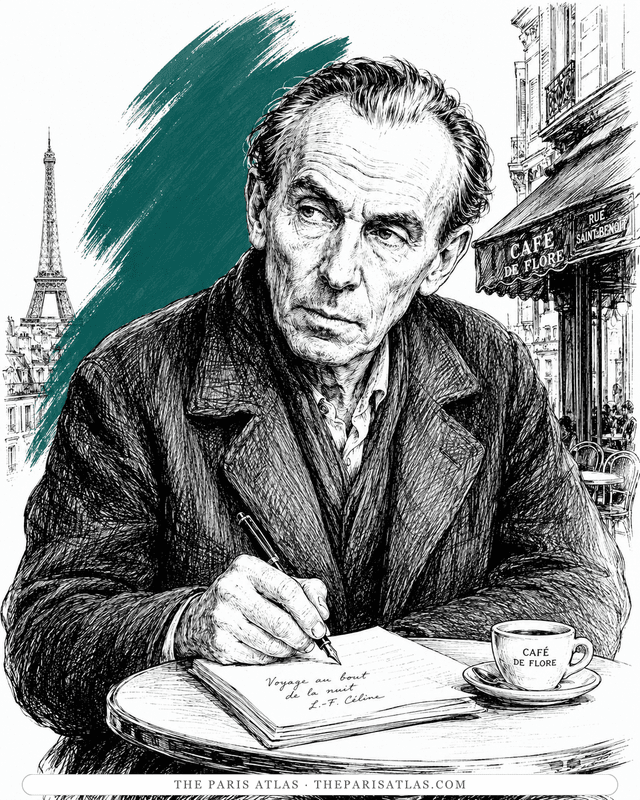
The doctor of the Paris slums who wrote the century's blackest, funniest novel — and changed the sound of French prose.
View author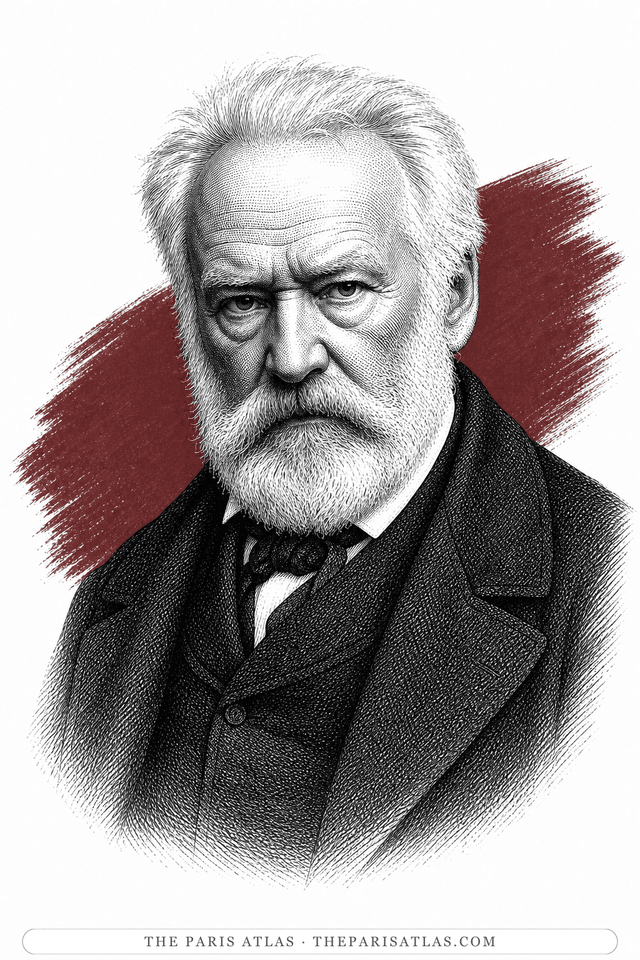
Poet, novelist and playwright who spent sixteen years in an apartment on the Place des Vosges that is now his museum, wrote a novel about Notre-Dame that shamed France into repairing the cathedral, spent nineteen years in exile for opposing the emperor Napoleon III, and was buried in the Panthéon — the Paris monument where France buries its most honoured dead — in 1885 after a funeral that brought roughly two million people into the streets of Paris.
View author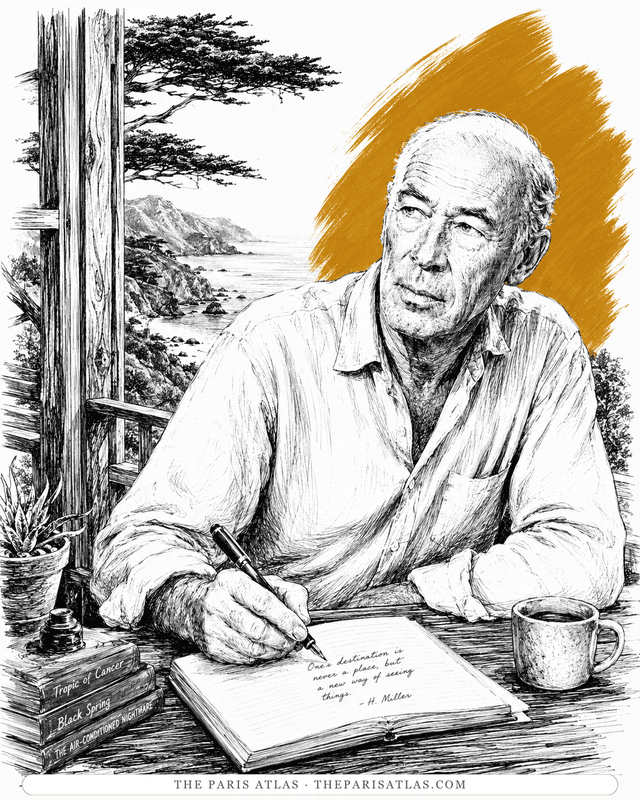
The Brooklyn dropout who arrived in Paris broke at thirty-eight and wrote the exuberant, banned books that ended American censorship.
View authorThe sources below include the primary text, editions, scholarship, archival materials, and other records that informed this page. They document A Key to Uncle Tom's Cabin, its publication, and its place in literary history.


The family biography, for why the Key was written, the letter to the Earl of Shaftesbury of 6 January 1853, and the letter predicting the Key would be stronger than the Cabin.
The Stowe Center's account of the charges of exaggeration that the Key answered.
Stowe's letter on the Lord Mayor's dinner in London, where a judge told her he had been reading the legal part of the Key.

Delany's letters in Frederick Douglass' Paper, for Henson as the real Uncle Tom, the fugitive narratives and his objection that Stowe knew nothing about free Black Americans.
The University of Virginia archive, for Stowe's 1858 introduction to Henson's autobiography and his 1879 edition.
For Stowe's use of Henson's 1849 memoir and the museum in Dresden, Ontario.
The primary text represented by this page, used for descriptions of the work’s contents and for any quoted passages shown here.
The primary text is the baseline reference for every book page. Additional references document publication history, interpretation, and historical context where that evidence is available.
 Explore more resources