
Portions from a Wine-Stained Notebook
The first volume of the same recovery project, published two years earlier.
Read our take
Thirty-nine recovered pieces, including Bukowski reviewing his own first book and assessing Ginsberg, Creeley and Zukofsky.
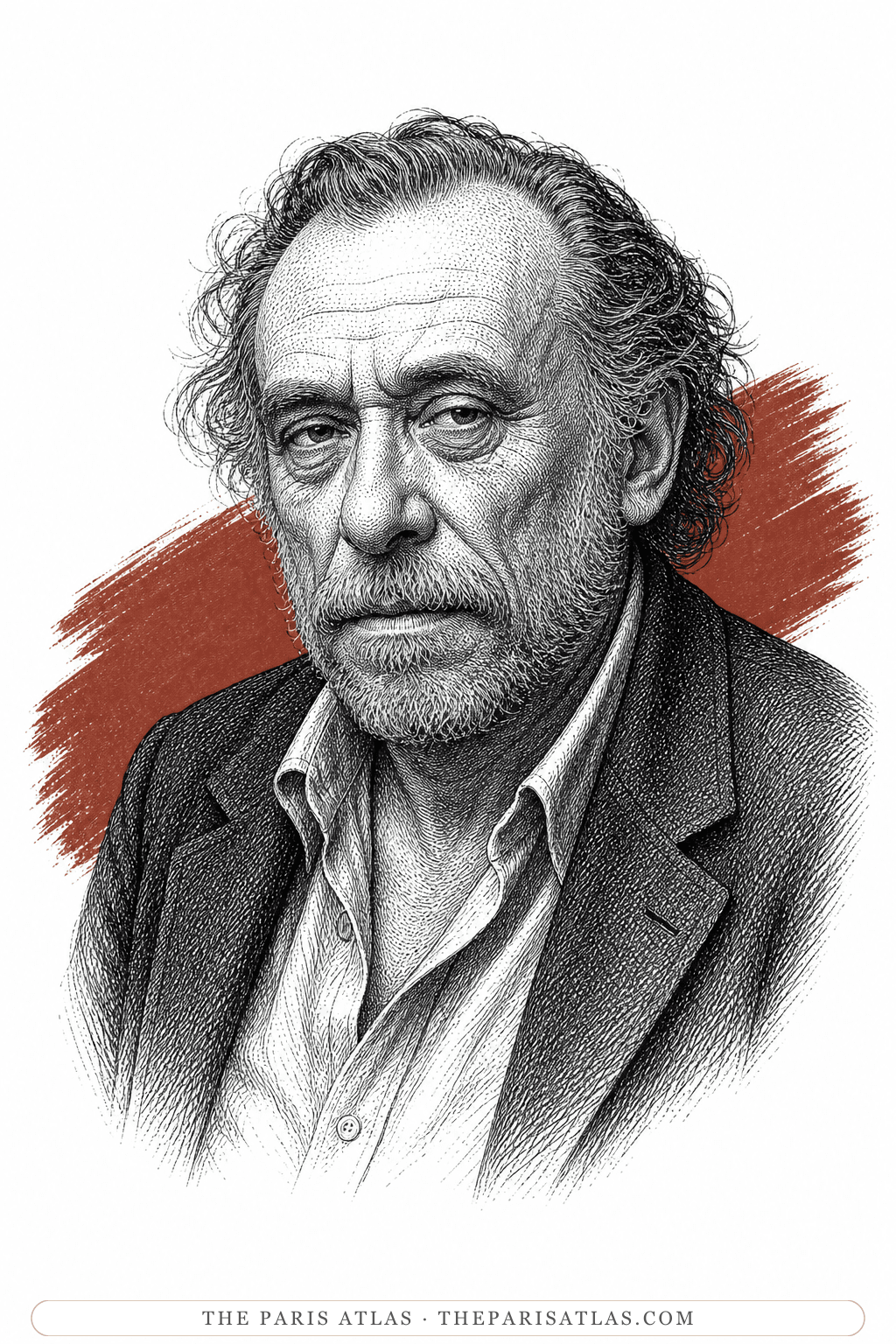
Absence of the Hero, published by City Lights in 2010, is the second volume of Charles Bukowski's uncollected prose, edited like the first by the scholar David Stephen Calonne. It gathers thirty-nine stories and essays written between 1946 and 1992 and never previously collected. The surprise of the book is how much of it is criticism: Bukowski writing about Allen Ginsberg, Robert Creeley, LeRoi Jones and Louis Zukofsky, and — in one piece — reviewing his own first book. Alongside that are accounts of his public readings, further installments of the newspaper column, and stories that had run once in magazines and then disappeared.
The received picture of Bukowski is a man who did not read and did not care about other writers. These essays contradict it directly. He read the poets of his own moment closely enough to argue with them by name, and he wrote the criticism in the same flat voice as the stories — no scholarly vocabulary, just a verdict and the reason for it. The volume also collects the reading pieces, where the drunk-on-stage performances he became famous for are described from the inside.
“The Reason Behind Reason” introduces Chelaski through baseball statistics, then unsettles the world those numbers make orderly. His glove becomes strangely noticeable as leather; familiar surroundings stop feeling familiar. Yet his body can still catch and throw correctly. The split matters: the story is not simply about a player losing skill, but about trained action continuing while its shared meaning becomes uncertain. Donovan’s apparent ease offers no reliable way back. Staying close to Chelaski’s perceptions lets readers feel that estrangement without supplying the explanation or diagnosis that the character himself cannot find.
Chelaski’s long hit should make his next movement obvious to everyone watching, but he does not run. The spectators’ excitement becomes punishment as objects rain onto the field. From his estranged viewpoint, an ordinary rule exposes the force behind collective expectations. The green lockers offer a pause after that noise, not a demonstrated recovery: outside, the shouting continues and reporters approach to ask what is wrong. Ending before he answers preserves the distance between his experience and the public demand for an explanation. Withdrawal has not made him understood, even when it briefly takes him out of view.
Bukowski on Ginsberg, Creeley, Jones and Zukofsky — argued by name, in the same flat voice as the stories.
He reviewed his own first book, and the piece is reprinted here without comment.
Stories and essays let readers compare Bukowski’s imaginative work with the opinions he expressed about other writers.
1946–1992
The span of the uncollected pieces the volume gathers.
2008
City Lights publishes the first volume of uncollected prose.
2010
Absence of the Hero follows with thirty-nine further pieces.

The first volume of the same recovery project, published two years earlier.
Read our take
The other City Lights gathering of uncollected column writing.
Read our take
The 1969 book that selected from the column these volumes keep returning to.
Read our takeThe second volume of Charles Bukowski's uncollected stories and essays, published by City Lights in 2010 and edited by David Stephen Calonne. It gathers thirty-nine pieces written between 1946 and 1992.
Yes, and this book is the evidence. It carries his assessments of Allen Ginsberg, Robert Creeley, LeRoi Jones and Louis Zukofsky — written in the same flat voice as his stories.
Yes. A review of his own first book is among the pieces collected here, reprinted without editorial comment.
It is the direct sequel — same editor, same project, two years later. Portions covers 1944 to 1990; this volume runs 1946 to 1992.
With Portions from a Wine-Stained Notebook, which carries the first and last stories. This volume rewards a reader who wants the criticism and the reading pieces.
Explore authors with a similar voice, perspective, and influence.
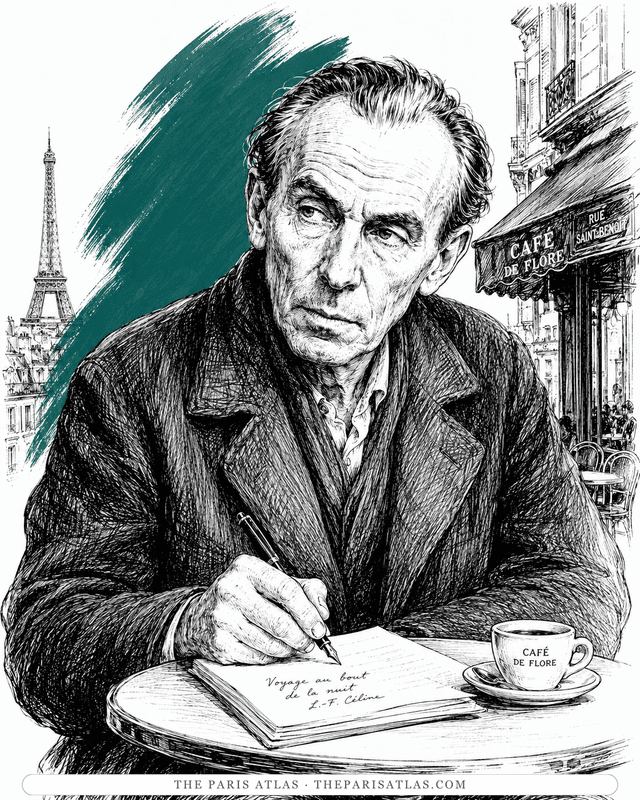
The doctor of the Paris slums who wrote the century's blackest, funniest novel — and changed the sound of French prose.
View author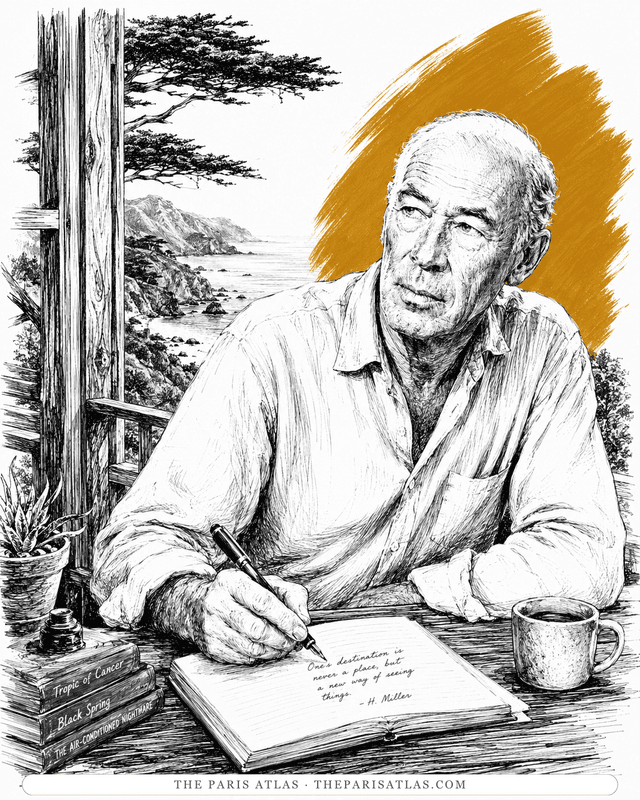
The Brooklyn dropout who arrived in Paris broke at thirty-eight and wrote the exuberant, banned books that ended American censorship.
View author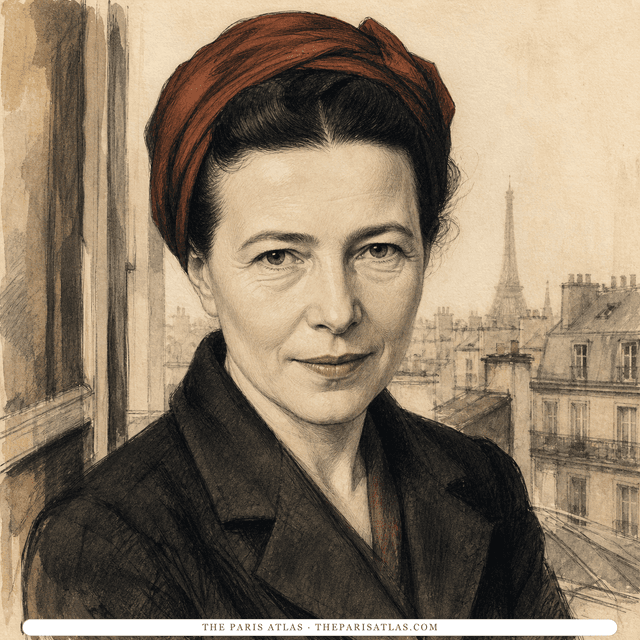
French writer and philosopher whose novels, memoirs, and social analysis examined freedom, gender, responsibility, aging, and the material conditions that shape a life.
View authorThe sources below include the primary text, editions, scholarship, archival materials, and other records that informed this page. They document Absence of the Hero, its publication, and its place in literary history.


The primary text represented by this page, used for descriptions of the work’s contents and for any quoted passages shown here.
The editor's critical biography, and Bukowski's reading and criticism.
Publication chronology of the uncollected-prose volumes.
Bibliographic details checked against the checklist.
Career context for the reading and criticism the volume collects.
Complete The Reason Behind Reason, pages 1–4, in the public text extraction of a City Lights preview. The extraction has OCR errors; it is not the original magazine printing or evidence of reading the entire collection.
The primary text is the baseline reference for every book page. Additional references document publication history, interpretation, and historical context where that evidence is available.
 Explore more resources