


More Notes of a Dirty Old Man
The columns the first book left out — nine years of underground newspaper writing, gathered after his death.
- 2011
About Charles Bukowski
The story, briefly
Spoiler-freeMore Notes of a Dirty Old Man, published by City Lights in 2011, collects the newspaper columns Charles Bukowski wrote under that title which had never appeared in book form. The original Notes of a Dirty Old Man (1969) took a selection from Open City, the Los Angeles underground weekly where the column ran in more than seventy issues in 1967 and 1968. But the column did not stop there: it continued in the Los Angeles Free Press across more than two hundred issues between 1970 and 1976, and appeared in NOLA Express and High Times as well. This volume gathers what that long run left uncollected — a second book made from the same weekly deadline, published seventeen years after his death.
The story, in more detail
The column is where the public Bukowski was built. Writing weekly for underground papers with no editor over him, he mixed autobiography, invention, complaint and provocation in whatever proportion the week suggested, and readers could not always tell which was which. Reading the uncollected columns after the famous ones shows how long he sustained it: not a brief burst in the late 1960s but a job he did, on and off, for close to a decade.
Themes and analysis
After the last page
The Tucson column’s opening delays naming Jon and Louise Webb while describing the labor that has finally allowed them to sit down. Repeated pauses in the sentence make rest feel earned rather than idle. Their completed Loujon book emerges from money shortages and a failing press, so the language of miraculous achievement remains attached to practical obstacles. Even recognition for design cannot guarantee funds for the next project. The passage shifts literary attention from the celebrated author to the people and machinery that make a book possible, while leaving their future precarious.
A number in a letter
The opening about a visitor’s letter makes arranging contact inseparable from the narrator’s uncertain recall. He revises the motel’s name, admits that letters may be lost and encounters a telephone number missing a digit. Successive clauses keep postponing the meeting, turning a simple arrangement into a performance of distraction. The eventual appointment supplies a little order, but this opening offers no authoritative address or exact documentary record. Its conversational force comes from letting hesitation remain visible: the reader follows someone telling a story while questioning his own command of its details.
Why we recommend it
The rest of the column
Nine years of weekly writing, of which the famous 1969 book was only a selection from the first two.
The persona at work
Written to a weekly deadline with no editor — the conditions that produced the public Bukowski.
A column beyond its first collection
The later newspaper work gives a broader picture of a recurring form that the 1969 selection could only partly represent.
What this book explores
Timeline
1967–1968
The column runs in more than seventy issues of Open City in Los Angeles.
1970–1976
It continues in the Los Angeles Free Press across more than two hundred issues.
2011
City Lights publishes the uncollected columns.
Book editions

- Paperback
- City Lights
- 2011
- 9780872865297
Reader reviews
Readers may also like

Erections, Ejaculations, Exhibitions and General Tales of Ordinary Madness
The story omnibus written alongside the column, in the same years and the same voice.
Read our take
The Most Beautiful Woman in Town & Other Stories
Half of that omnibus, still in print — the fiction that ran beside the columns.
Read our takeMore Notes of a Dirty Old Man: frequently asked questions
What is More Notes of a Dirty Old Man?
A collection of Charles Bukowski's newspaper columns that had never appeared in book form, published by City Lights in 2011 — seventeen years after his death.
How is it different from the 1969 book?
Notes of a Dirty Old Man (1969) selected from the column's run in the Los Angeles paper Open City. This volume gathers uncollected columns from across the whole span, including the years in the Los Angeles Free Press.
How long did the column actually run?
Longer than most readers assume: more than seventy issues of Open City in 1967–68, then over two hundred issues of the Los Angeles Free Press between 1970 and 1976, plus appearances in NOLA Express and High Times.
Are the columns true?
Not reliably, and that was the method. Bukowski mixed autobiography with invention, and the column's readers could not always tell which was which.
Where should I start?
With the 1969 Notes of a Dirty Old Man, which is the famous selection. This volume is for readers who finish it and want the rest.
If you like Charles Bukowski
Explore authors with a similar voice, perspective, and influence.
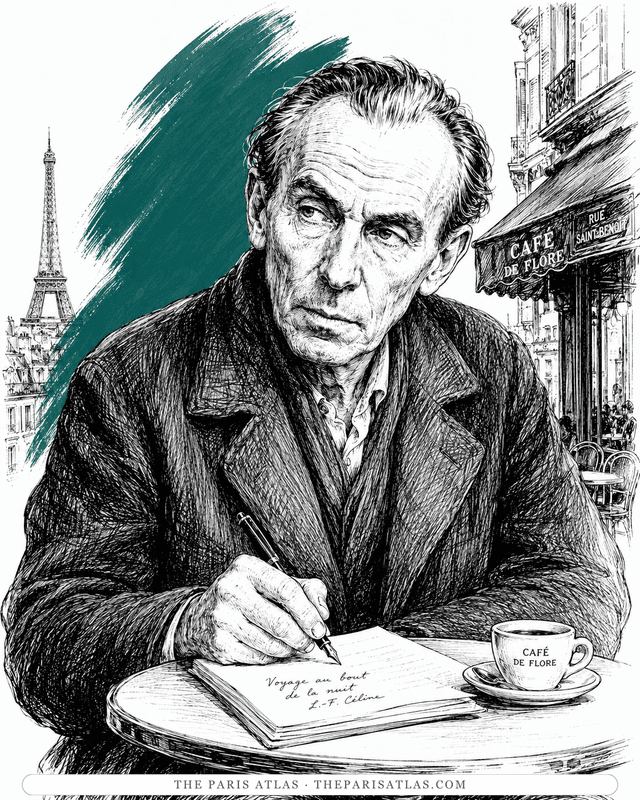
Louis-Ferdinand Céline
The doctor of the Paris slums who wrote the century's blackest, funniest novel — and changed the sound of French prose.
View author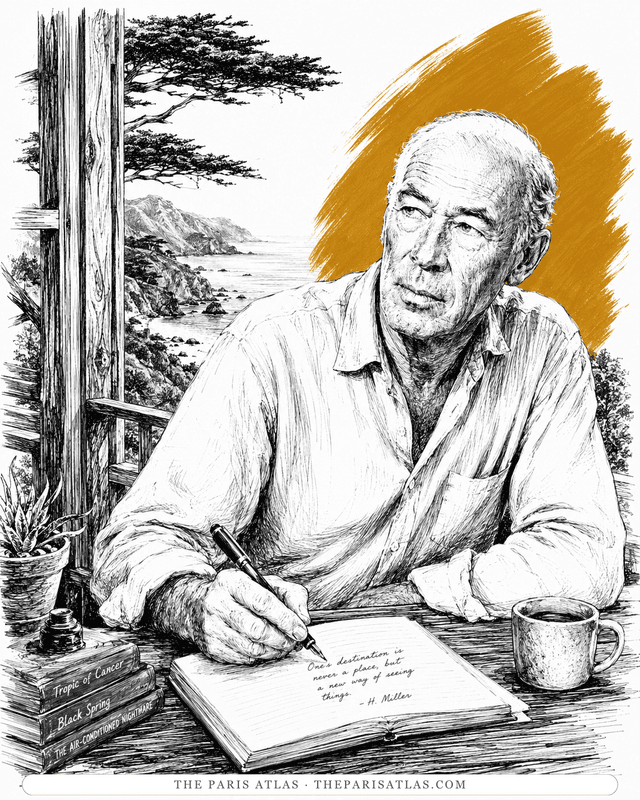
Henry Miller
The Brooklyn dropout who arrived in Paris broke at thirty-eight and wrote the exuberant, banned books that ended American censorship.
View author
Simone de Beauvoir
French writer and philosopher whose novels, memoirs, and social analysis examined freedom, gender, responsibility, aging, and the material conditions that shape a life.
View author
References
References
The sources below include the primary text, editions, scholarship, archival materials, and other records that informed this page. They document More Notes of a Dirty Old Man, its publication, and its place in literary history.


1More Notes of a Dirty Old Man
EssaysCharles Bukowski, 2011Used forThe primary text represented by this page, used for descriptions of the work’s contents and for any quoted passages shown here.

2Charles Bukowski
BiographyReaktion Books, 2012Used forThe underground-press column years in the career narrative.
3More Notes of a Dirty Old Man
WebsiteWikipediaUsed forThe column's publication history across Open City, the Los Angeles Free Press, NOLA Express and High Times.
4Charles Bukowski timeline (bukowski.net)
WebsiteUsed forPublication year and the column's chronology.
5Charles Bukowski: books and chapbooks (Verdant Press checklist)
WebsiteUsed forBibliographic details checked against the checklist.
6Notes of a Dirty Old Man (1967) — Tucson/Loujon opening and bibliography
WebsiteBukowski DatabaseUsed forSpecialist bibliography’s quoted opening of the Tucson column dated June 29, 1967, collected on p. 9. Only this displayed opening was used, not the complete column or a first-edition facsimile.
7Notes of a Dirty Old Man (1972) — visitor’s letter opening and bibliography
WebsiteBukowski DatabaseUsed forSpecialist bibliography’s two quoted opening paragraphs of the 1972 column collected on p. 50. The uncertain motel name is not resolved; no later meeting or whole-column reading is claimed.
i
Why these sources are here
The primary text is the baseline reference for every book page. Additional references document publication history, interpretation, and historical context where that evidence is available.
 Explore more resources