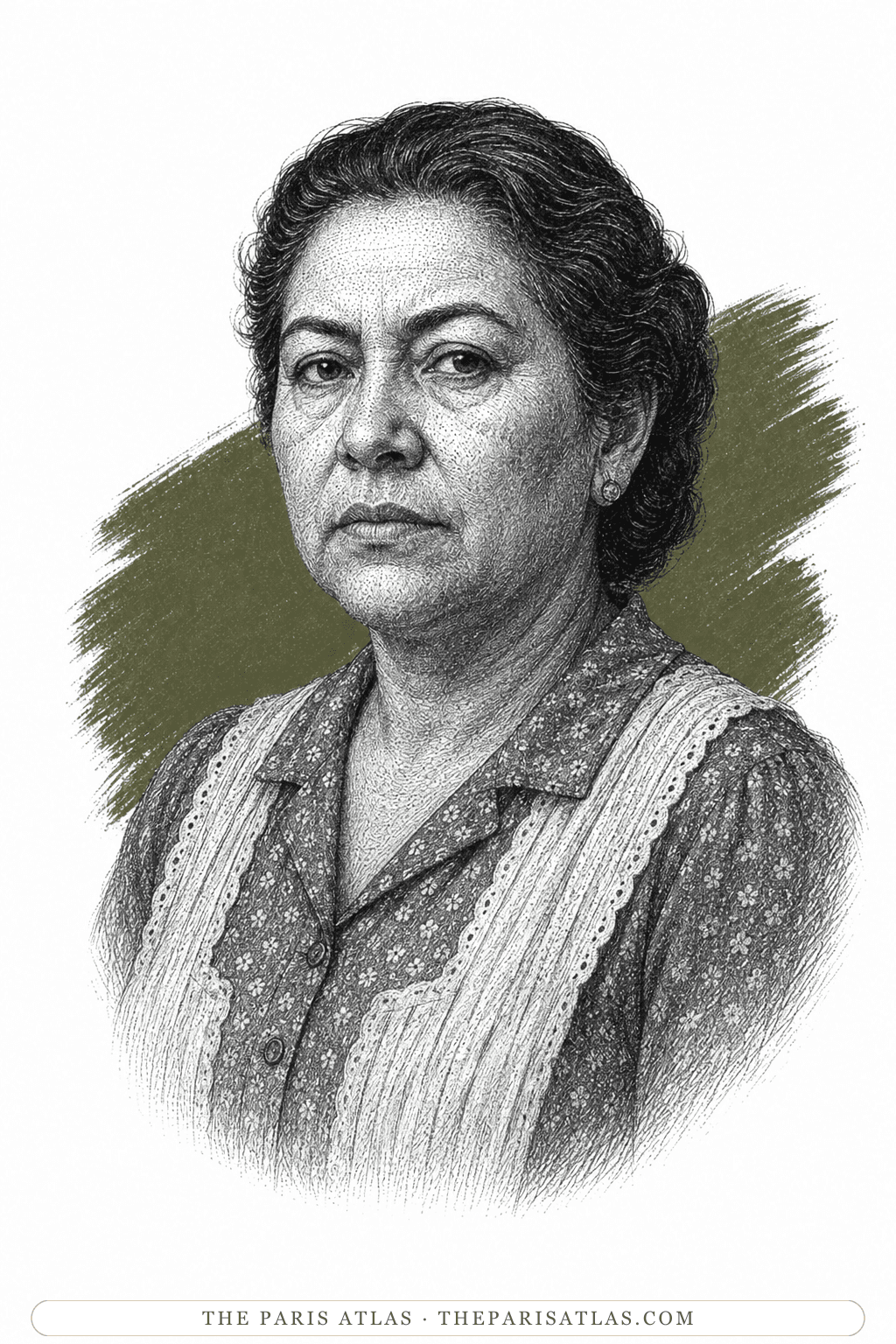
Clotilde Armenta
The shopkeeper who recognizes that the twins need to be stopped and persistently asks authorities to act.
To keep Santiago alive by delaying the twins and persuading priests, police, and other townspeople to intervene decisively.
The book

At a glance
- Milk-shop proprietor
- Twins wait at her shop
- Repeatedly seeks intervention
Who they are in the book
Spoiler-freeClotilde watches Pedro and Pablo wait at her milk shop before dawn. She notices their exhaustion, listens to their repeated declarations, and understands that making the plan public does not mean it is harmless.
Her moral clarity lies in seeing that the twins are also trapped by expectation. She does not excuse them, but she insists that the town must remove the opportunity for violence rather than waiting for better intentions.
How Clotilde Armenta Is Portrayed
- Adult Colombian shopkeeperShe appears capable and socially observant.
- Practical working clothesHer role is visible without shop props.
- Alert morally serious gazeShe sees the danger others minimize.
- Steady posturePersistence matters more than panic.
- Close engraved bustNo counter, milk, or knives appear.
- Muted olive accentThe grounded color suits practical judgment.
Clotilde delays the twins and sends warnings, but no authority removes them from the situation long enough to prevent the murder. She witnesses the town’s failure despite understanding the danger.
If you like Chronicle of a Death Foretold


If you like Gabriel García Márquez
Explore authors with a similar voice, perspective, and influence.
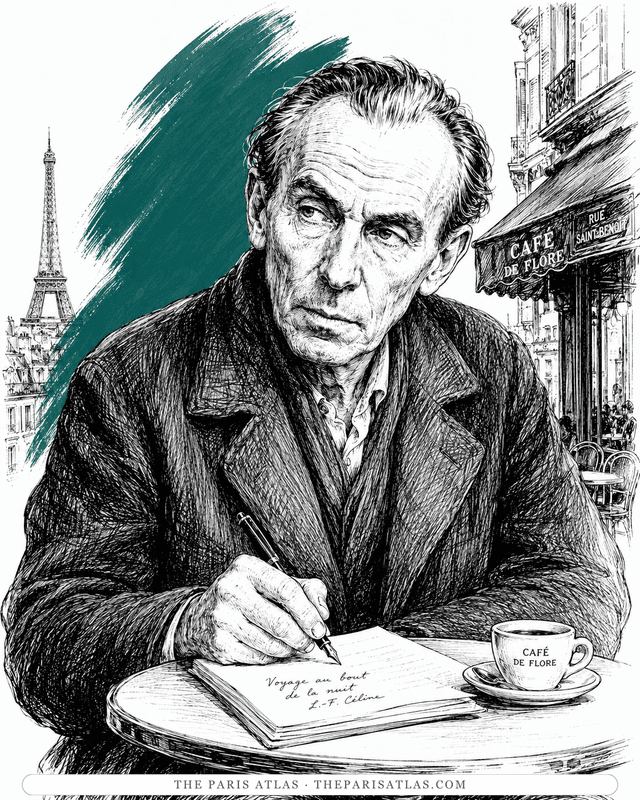
Louis-Ferdinand Céline
The doctor of the Paris slums who wrote the century's blackest, funniest novel — and changed the sound of French prose.
View author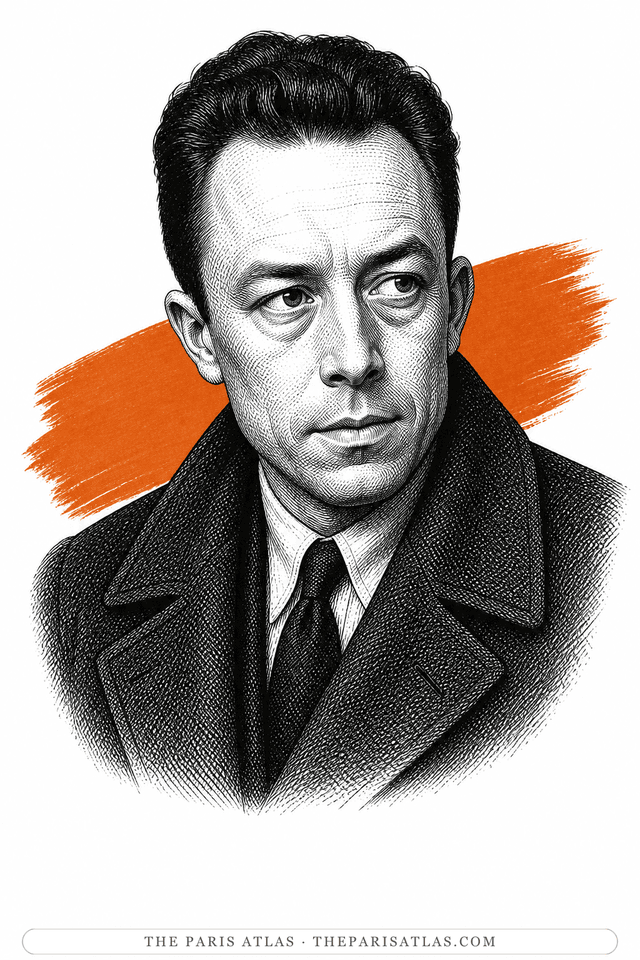
Albert Camus
French Algerian novelist, essayist, journalist and playwright who used the absurd and revolt to ask how people should live without false consolation.
View author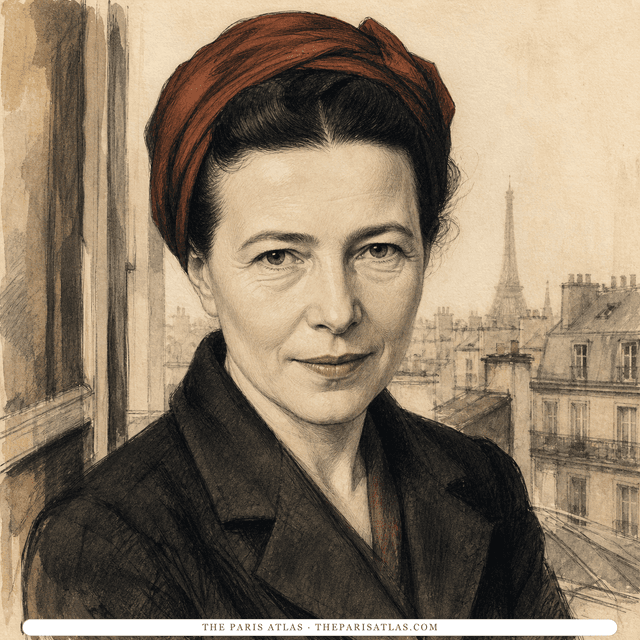
Simone de Beauvoir
French writer and philosopher whose novels, memoirs, and social analysis examined freedom, gender, responsibility, aging, and the material conditions that shape a life.
View author