Plácida Linero
Santiago’s mother, a respected interpreter of dreams whose final mistake closes the door on her son.
To protect her son and household using the information she has, even as contradictory messages make the correct action impossible to see.
The book

At a glance
- Santiago’s mother
- Interpreter of dreams
- Locks the front door
Who they are in the book
Spoiler-freePlácida believes she can interpret dreams involving trees, but she misses the warning in Santiago’s final dream. The narrator treats that failure with tragic irony rather than claiming she should possess supernatural certainty.
At the decisive moment, she sees the twins approaching and hears that Santiago is inside. She bolts the front door to protect him, not knowing he is still outside.
How Plácida Linero Is Portrayed
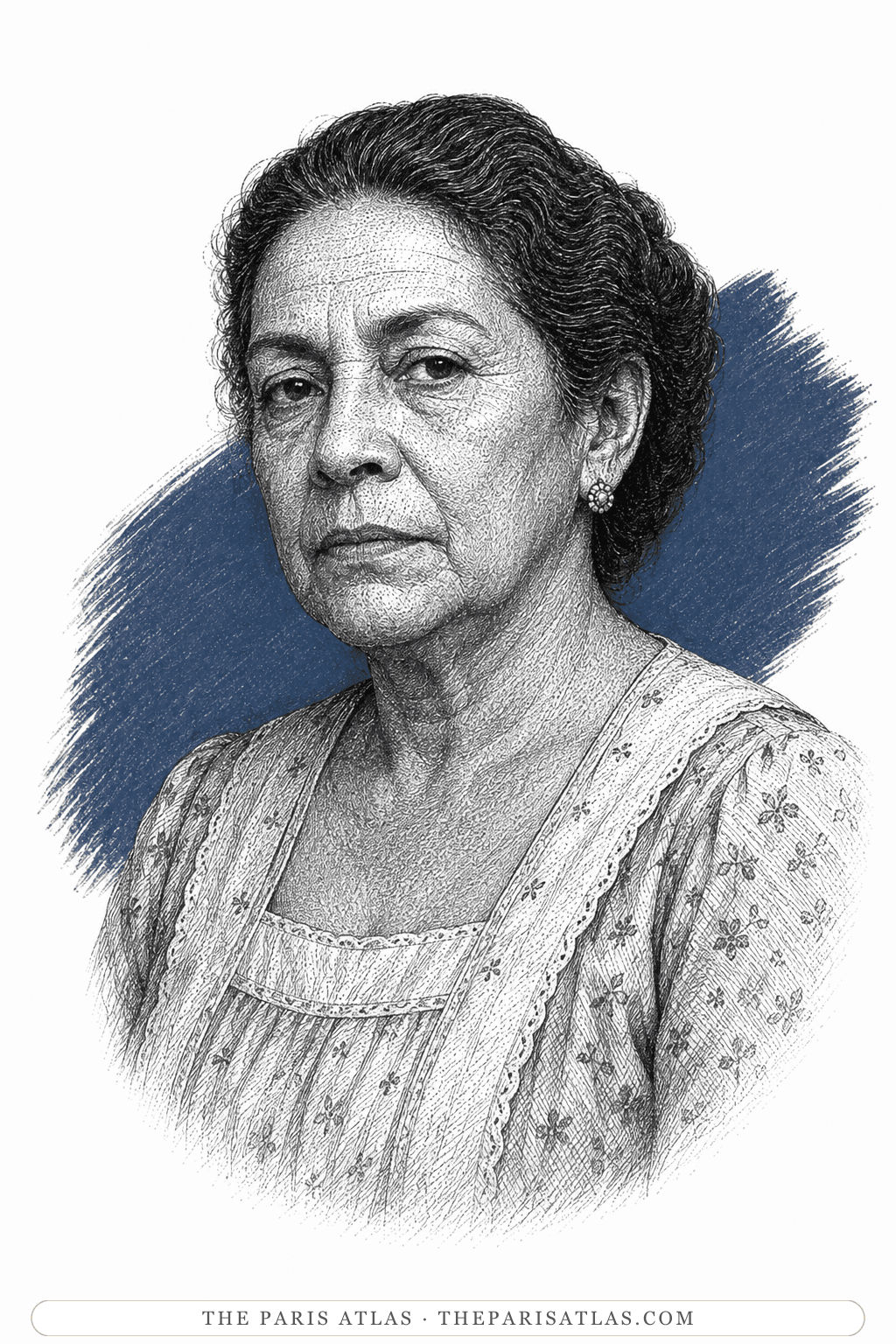
- Mature Colombian motherHer age and household authority are clear.
- Practical domestic dressThe clothing suits a prosperous Caribbean home.
- Thoughtful faceDream interpretation suggests attention, not magic.
- Grave inward gazeLater guilt shadows the remembered portrait.
- Close engraved bustNo doorway, birds, or dream imagery appears.
- Muted indigo accentThe dark color suits her tragic role.
Believing Santiago is already inside, Plácida locks the front door just as he runs toward it. The act unintentionally leaves him exposed to the twins.
If you like Chronicle of a Death Foretold


If you like Gabriel García Márquez
Explore authors with a similar voice, perspective, and influence.
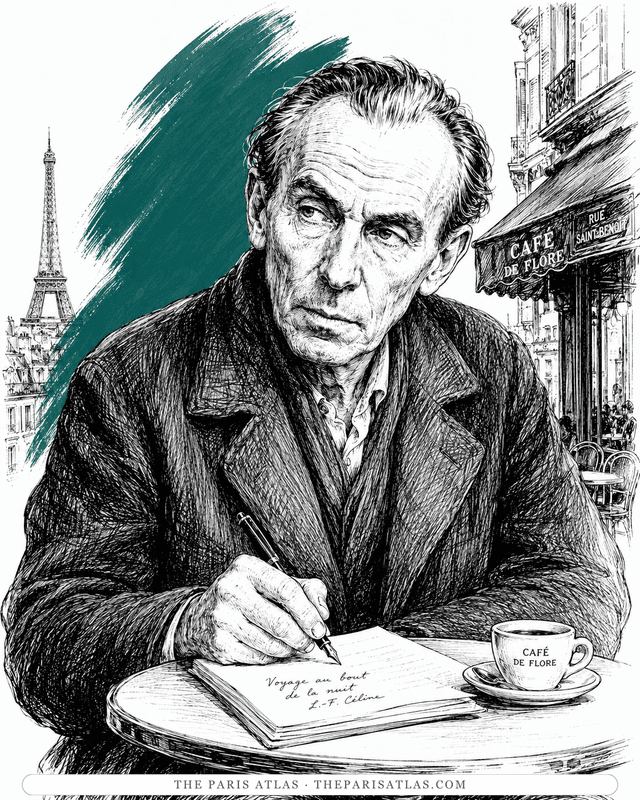
Louis-Ferdinand Céline
The doctor of the Paris slums who wrote the century's blackest, funniest novel — and changed the sound of French prose.
View author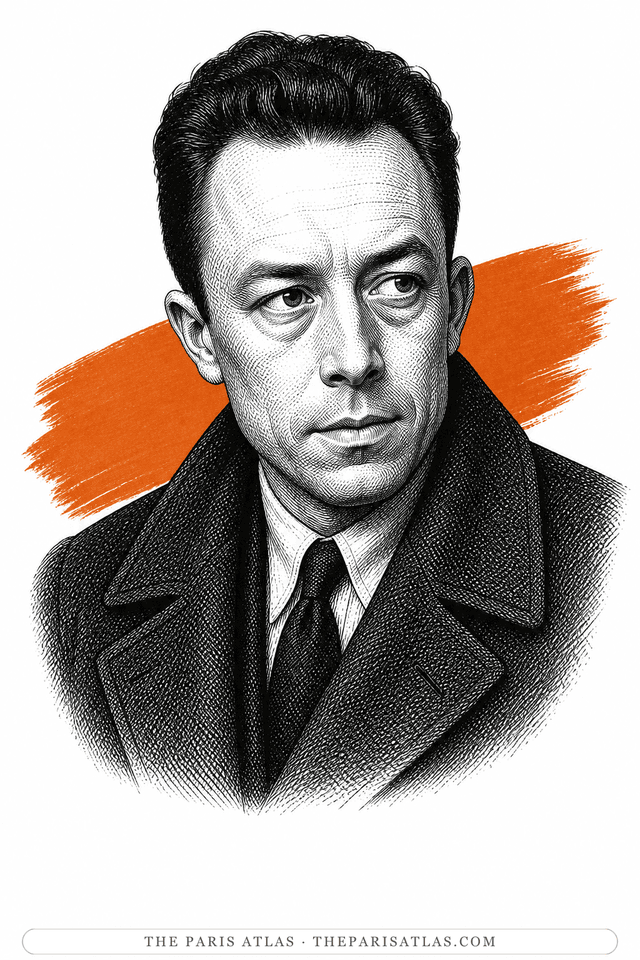
Albert Camus
French Algerian novelist, essayist, journalist and playwright who used the absurd and revolt to ask how people should live without false consolation.
View author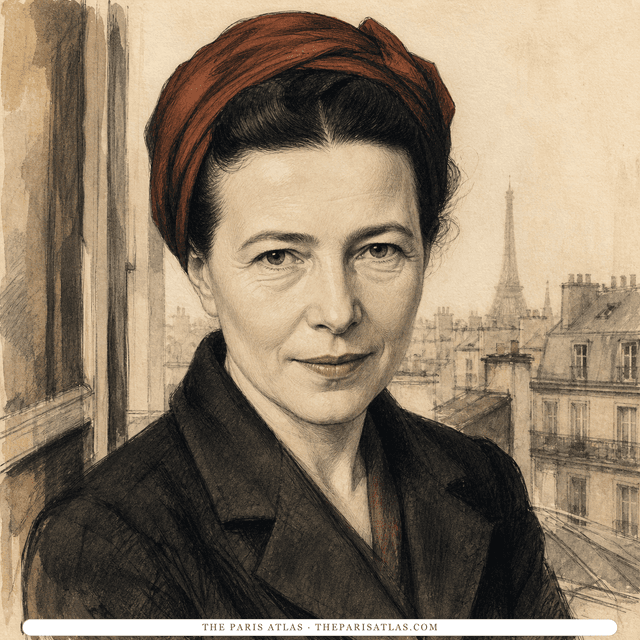
Simone de Beauvoir
French writer and philosopher whose novels, memoirs, and social analysis examined freedom, gender, responsibility, aging, and the material conditions that shape a life.
View author