

The World of Lawrence
Another passionate appreciation of a writer Miller treated as a living example.
Read our take
by Henry Miller
Miller joins a compact international tribute to Joseph Delteil, celebrating the French writer’s appetite, independence, and stubborn singularity.
Joseph Delteil: Essays in Tribute is a 1962 multi-author chapbook from St Albert’s Press, reprinting material associated with The Aylesford Review. Contributors include Henry Miller, Eugène Louis Julien, Jacques Madaule, Henry de Montherlant, Brocard Sewell, and F.-J. Temple, with material by Delteil and Caroline Delteil. Miller contributes tribute essays on Delteil; he is one voice in the volume, not its sole author. A special-paper issue of 150 copies was signed by Delteil and Miller.
The contributors approach Delteil as writer, personality, and model of independence. Their short pieces accumulate rather than forming a single critical argument.
Miller’s contribution fits his lifelong attraction to writers who convert appetite and refusal into a complete style of life. The limited signed issue makes the physical book part of that fellowship.
The Montpellier library’s contents record identifies two Miller pieces: Joseph Delteil and Joseph Delteil (1956). The date attached to the second distinguishes it from the other contribution. Miller is one participant in a tribute, not the sole author of the volume.
Delteil also contributes his own writing, including a preface to his collected works and La Langue révolutionnaire. This makes the object more varied than a group of friends speaking about an entirely silent subject. Delteil’s voice appears beside their assessments.
Brocard Sewell discusses Jesus II, while Jacques Madaule writes about Delteil’s Francis of Assisi. Other contributions include an open letter, F.-J. Temple’s La Tuilerie de Massane, and Henry de Montherlant’s comparison between Delteil and the literary establishment. Caroline Delteil also contributes.
The contents move among literary criticism, personal address, and tribute. They need not agree on a single explanation of Delteil’s work. The collection’s interest lies in the different grounds on which writers and companions value him.
St Albert’s Press published the volume in 1962 from material associated with volume IV, number 7 of The Aylesford Review. The special-paper issue comprised 150 copies for signature by Delteil and Miller. The signature arrangement should not obscure the other authors whose work the book contains.
In Miller’s bibliography, this is a contribution volume rather than another stand-alone critical monograph. It belongs beside his other appreciations of writers, but its multi-author structure gives readers access to perspectives beyond his own. Individual contributions should be attributed to their named authors when discussing the book’s arguments.
Different witnesses preserve the writer’s singularity without forcing a single verdict.
His praise gains context beside French and English critical voices.
The chapbook offers several routes into Joseph Delteil’s work, including Miller’s essays and contributions by other French and English-language writers.
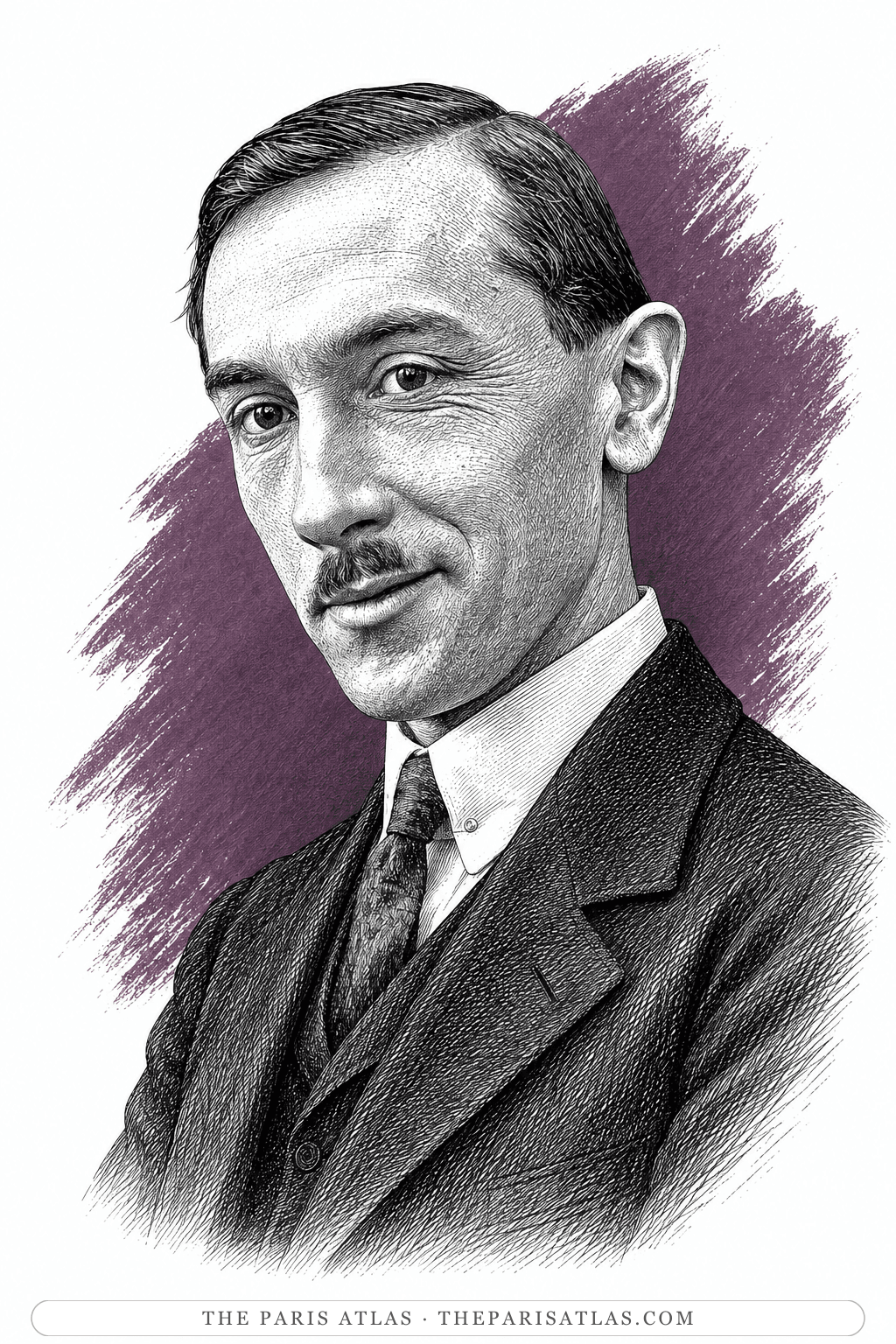
The French novelist and poet celebrated by the book’s international group of contributors.
1956
Miller writes the contribution identified in the contents as Joseph Delteil (1956).
1962
The tribute material appears in The Aylesford Review, volume IV, number 7.
1962
St Albert’s Press issues the multi-author tribute as a separate volume, including a signed special-paper edition.
Another passionate appreciation of a writer Miller treated as a living example.
Read our take

His sustained study of a French writer whose life became part of the reading.
Read our takeNo. It is a multi-author tribute containing Miller essays among contributions by several writers.
French writer Joseph Delteil.
Yes. St Albert’s Press issued 150 special-paper copies signed by Delteil and Miller.
The publication reprints material associated with The Aylesford Review.
Yes. Its contents include two Miller pieces, titled Joseph Delteil and Joseph Delteil (1956).
Explore authors with a similar voice, perspective, and influence.

Miller's acknowledged master at making literature out of the gutter. Journey gave him permission; Cancer is what he did with it.
View author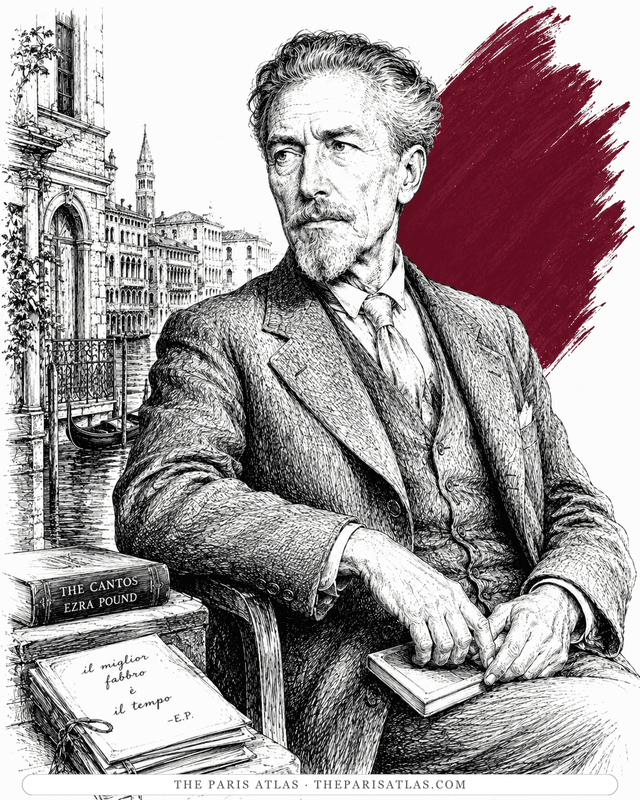
Pound read Cancer and sent Miller a famously backhanded postcard. Both believed literature's job was to wake the reader by any means necessary.
View author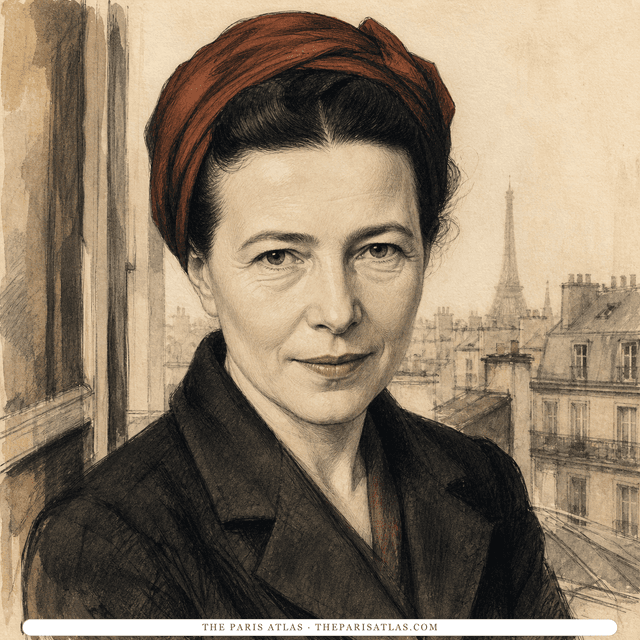
French writer and philosopher whose novels, memoirs, and social analysis examined freedom, gender, responsibility, aging, and the material conditions that shape a life.
View authorThe sources below include the primary text, editions, scholarship, archival materials, and other records that informed this page. They document Joseph Delteil, its publication, and its place in literary history.


The primary text represented by this page, used for descriptions of the work’s contents and for any quoted passages shown here.

Official record used to verify names, dates, institutional details, or other factual information on this page.
Official record used to verify names, dates, institutional details, or other factual information on this page.

Biographical evidence used to verify chronology, relationships, and historical context connected to Joseph Delteil.
Biographical evidence used to verify chronology, relationships, and historical context connected to Joseph Delteil.
The primary text is the baseline reference for every book page. Additional references document publication history, interpretation, and historical context where that evidence is available.
 Explore more resources