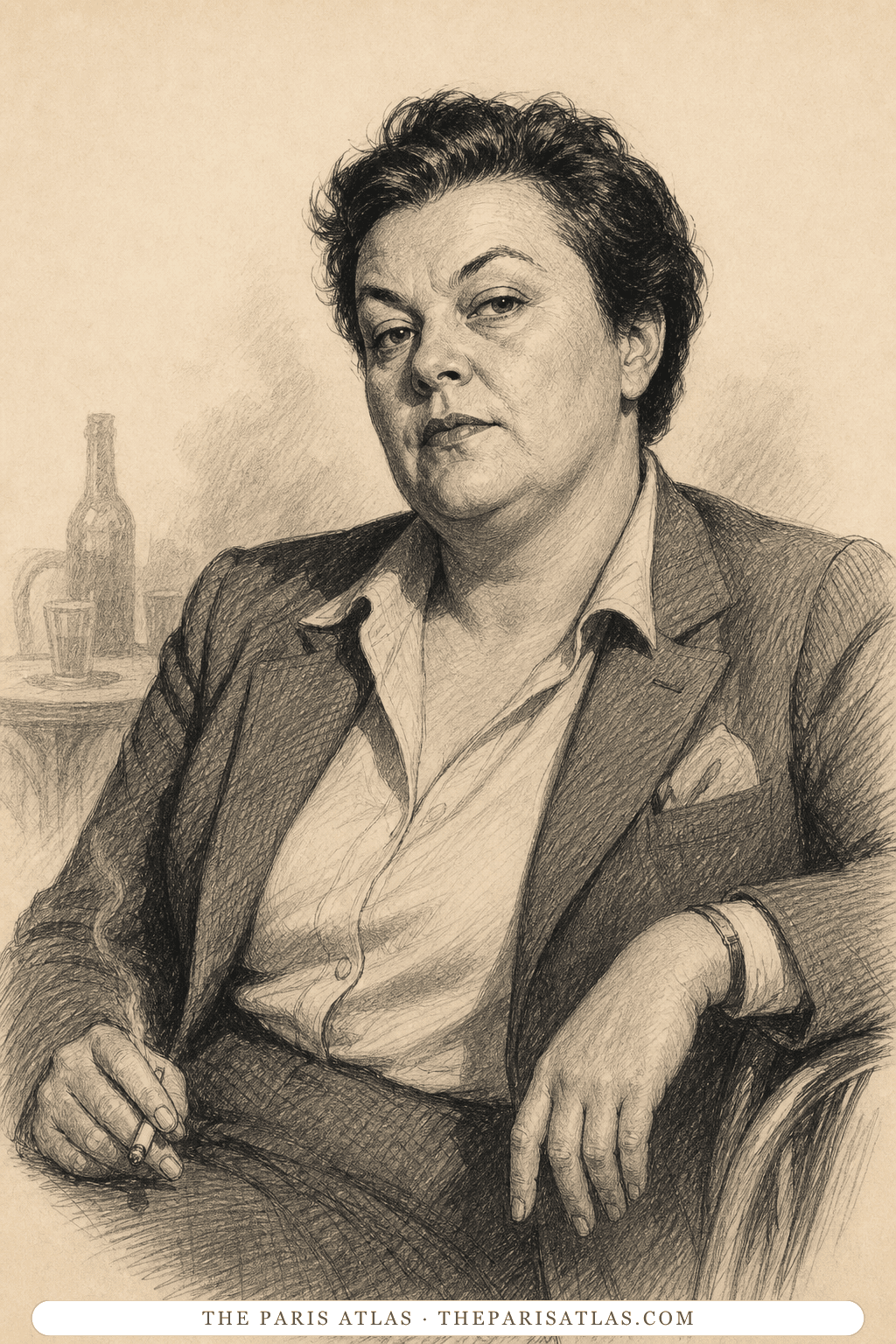
Eunice “Uncle” Goode
A wealthy American whose gifts, drinking, and possessive love for Hadija turn affection into control.
To secure Hadija’s exclusive affection and take her away from Tangier into a life Eunice can control.
The book

At a glance
- American
- Uncle
- Wealthy expatriate
- Hadija
Who they are in the book
Spoiler-freeEunice Goode is a wealthy, heavy-drinking American expatriate known as “Uncle.” She is physically imposing, socially forceful, and accustomed to using money to change a situation. Her confidence hides loneliness and a wish to recover the intensity of youth.
She becomes attached to Hadija and imagines taking the girl away from Tangier. Gifts and payments are inseparable from that attachment. Hadija understands that delaying Eunice’s plans can produce more money, while Eunice insists on reading the arrangement as a special bond.
Eunice dislikes Dyar because he competes for Hadija’s attention. Both want Hadija to confirm a story about themselves: Dyar wants proof he can love, while Eunice wants proof that wealth and devotion can create intimacy.
How Eunice “Uncle” Goode Is Portrayed
- Large and commandingHer size, direct speech, and spending give her a strong social presence.
- Known as UncleThe nickname fits her forceful role without explaining her vulnerability.
- A determined drinkerAlcohol magnifies her confidence, sentiment, and anger.
- Generous with conditionsHer gifts carry an expectation of loyalty and access.
- Romantic about rescueShe confuses Hadija’s welfare with her wish to possess the relationship.
- Hostile to DyarShe sees him mainly as a rival for Hadija.
Eunice’s gifts do not produce a secure life with Hadija. The more she tries to guarantee affection, the clearer the unequal bargain becomes.
She remains in Tangier rather than entering the mountain ending. Her money can purchase access but cannot force another person to supply certainty.
If you like Let It Come Down


If you like Paul Bowles
Explore authors with a similar voice, perspective, and influence.
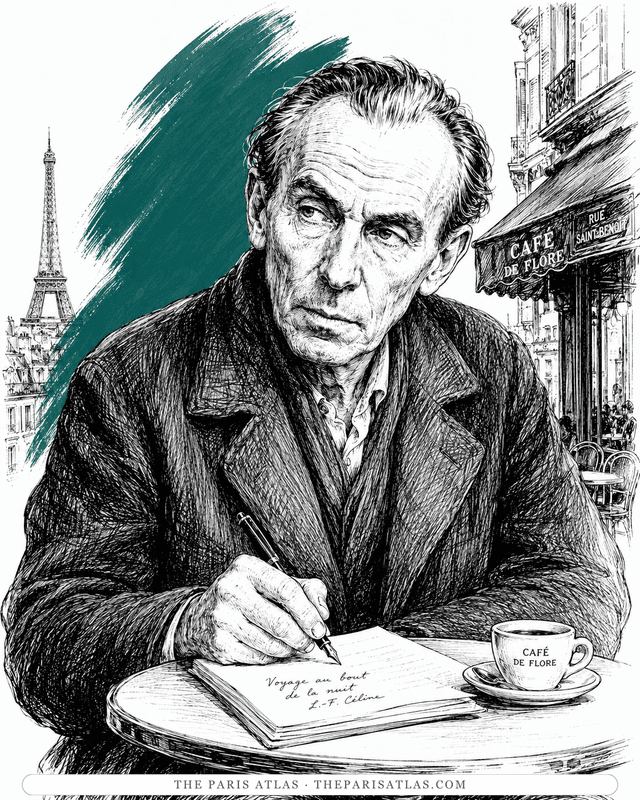
Louis-Ferdinand Céline
The doctor of the Paris slums who wrote the century's blackest, funniest novel — and changed the sound of French prose.
View author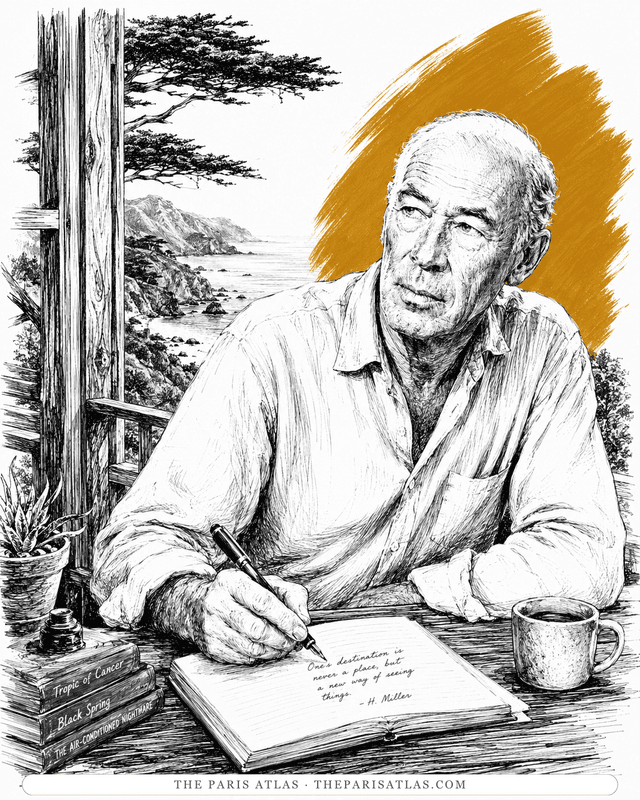
Henry Miller
The Brooklyn dropout who arrived in Paris broke at thirty-eight and wrote the exuberant, banned books that ended American censorship.
View author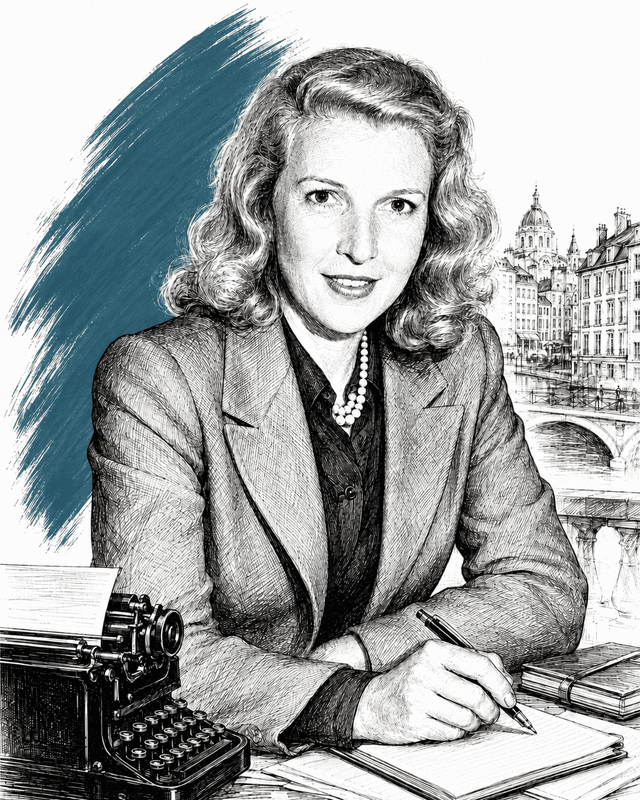
Martha Gellhorn
War correspondent who covered the Spanish Civil War, D-Day, and conflicts across five more decades; Hemingway's third wife, 1940–1945.
View author