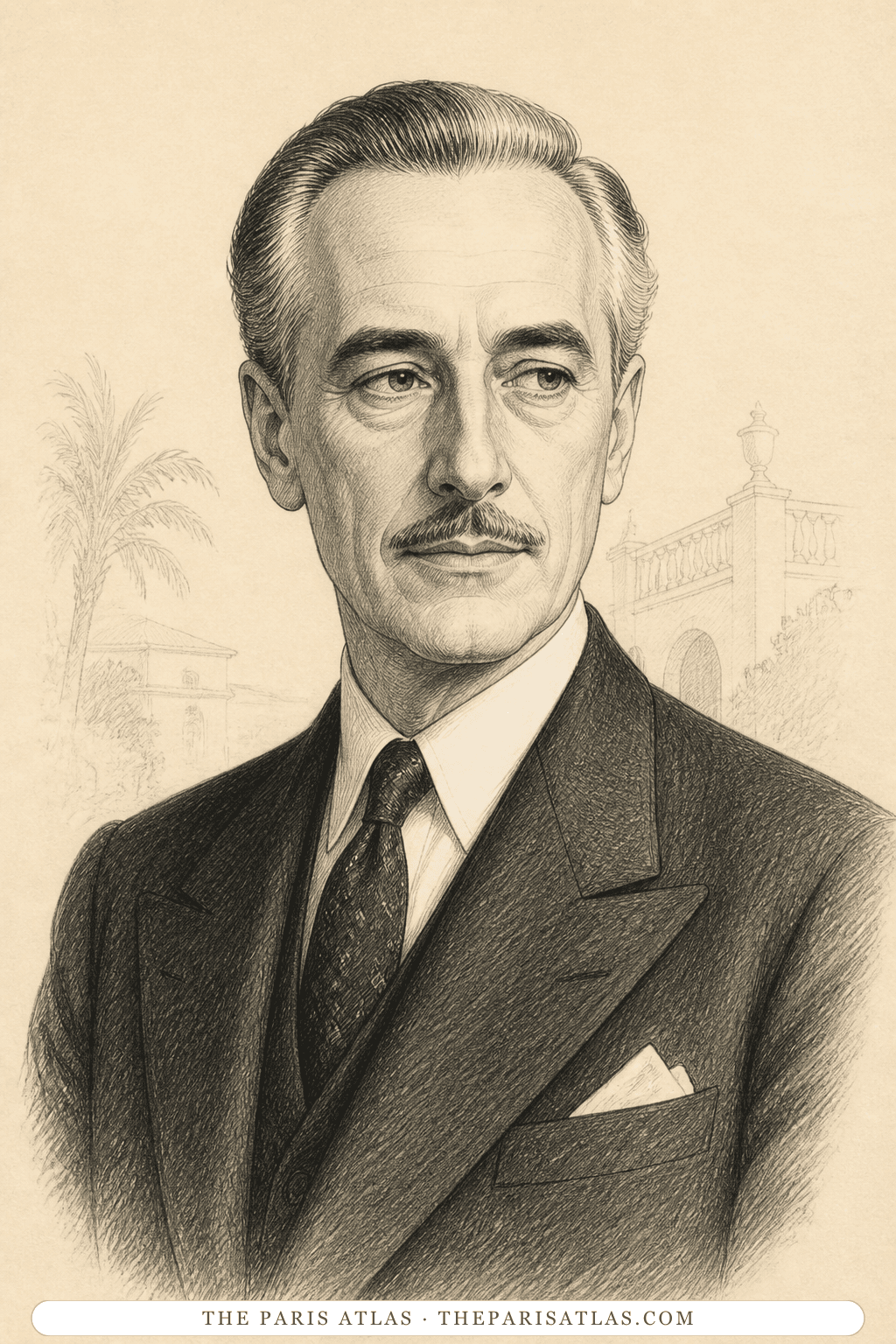
Luic de Valverde
Daisy’s Spanish husband, whose title, wealth, and villa form part of the protected expatriate world Dyar enters.
To preserve the comfortable household and social arrangement he and Daisy have made in Tangier.
The book

At a glance
- Spanish
- Marqués de Valverde
- Daisy
- Villa Hesperides
Who they are in the book
Spoiler-freeLuic is the Spanish Marqués de Valverde and Daisy’s husband. His title and household help define her position: she is not a visiting American but an established member of Tangier’s international upper class.
Their marriage is one of the book’s loosened conventional arrangements. Daisy has room to pursue Dyar, and Luic belongs to the structure around that freedom rather than serving as a jealous-husband plot device.
The novel gives Luic less attention than Daisy or Thami. His importance is structural: the villa, servants, title, and marital tolerance show the protected world from which expatriates can experiment.
How Luic de Valverde Is Portrayed
- EstablishedLuic belongs to Tangier’s wealthy international society.
- Defined by householdHis title and Villa Hesperides provide a stable public identity.
- Self-containedHe is less fascinated by Dyar than Daisy is.
- An unconventional marriageHis relationship with Daisy allows freedoms Dyar does not fully understand.
Luic does not become the rival who drives the ending. Daisy’s affair belongs to an arrangement more complicated than Dyar expects.
Dyar assumes loosened rules mean universal freedom. Once he leaves the Valverdes’ protection, theft and murder bring consequences their social experiments did not prepare him to face.
If you like Let It Come Down


If you like Paul Bowles
Explore authors with a similar voice, perspective, and influence.
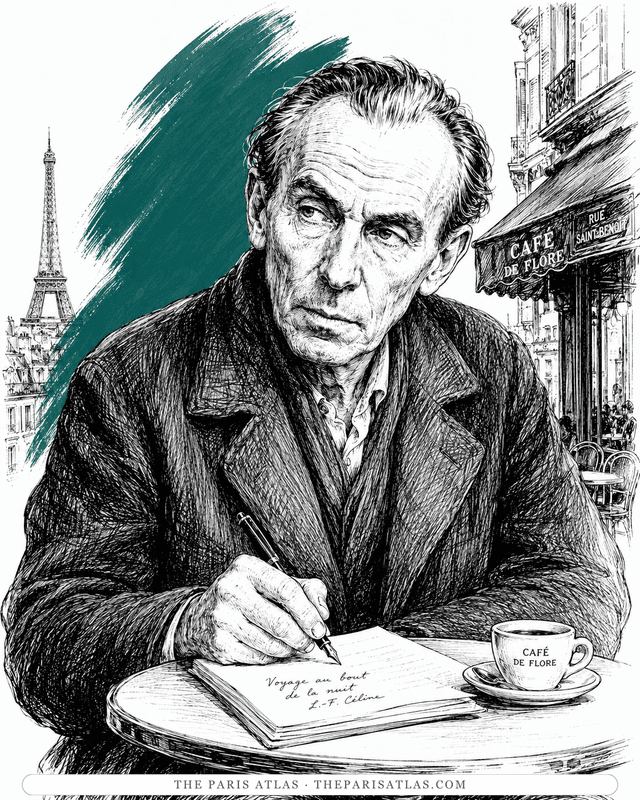
Louis-Ferdinand Céline
The doctor of the Paris slums who wrote the century's blackest, funniest novel — and changed the sound of French prose.
View author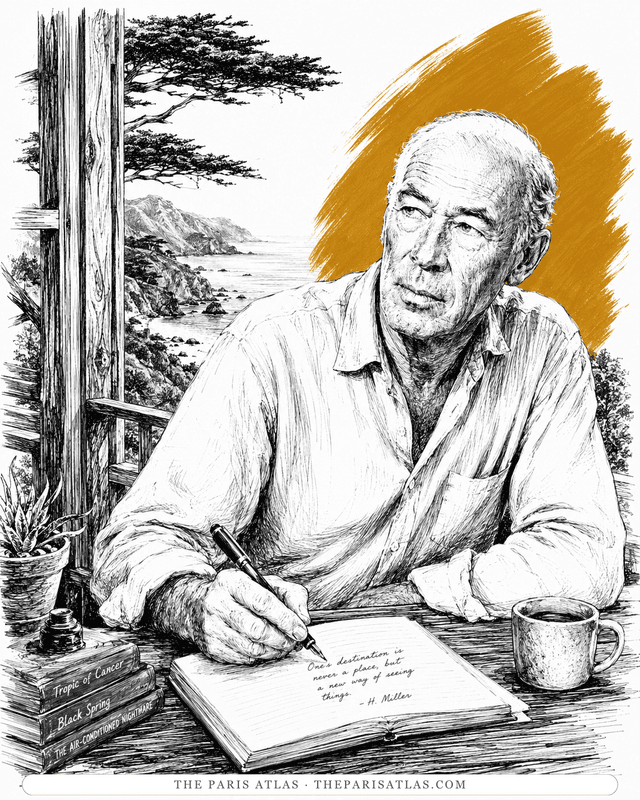
Henry Miller
The Brooklyn dropout who arrived in Paris broke at thirty-eight and wrote the exuberant, banned books that ended American censorship.
View author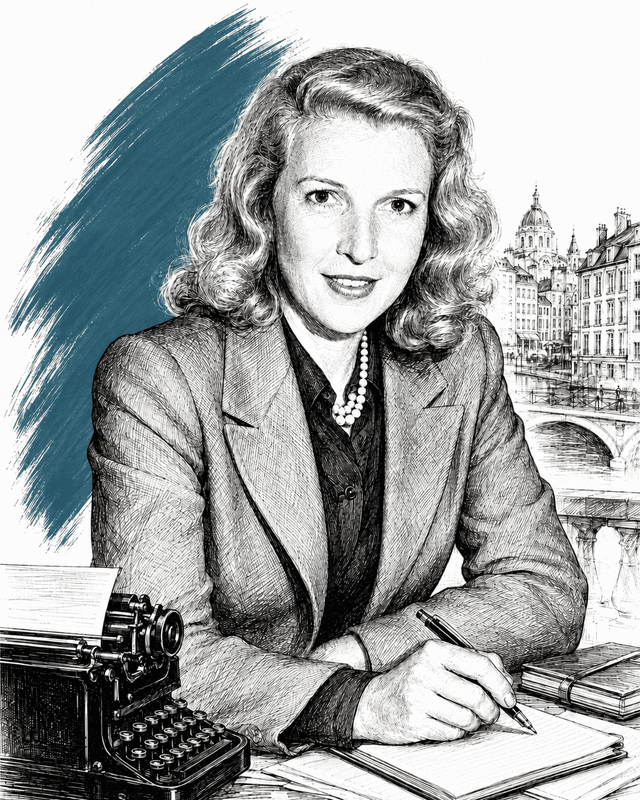
Martha Gellhorn
War correspondent who covered the Spanish Civil War, D-Day, and conflicts across five more decades; Hemingway's third wife, 1940–1945.
View author