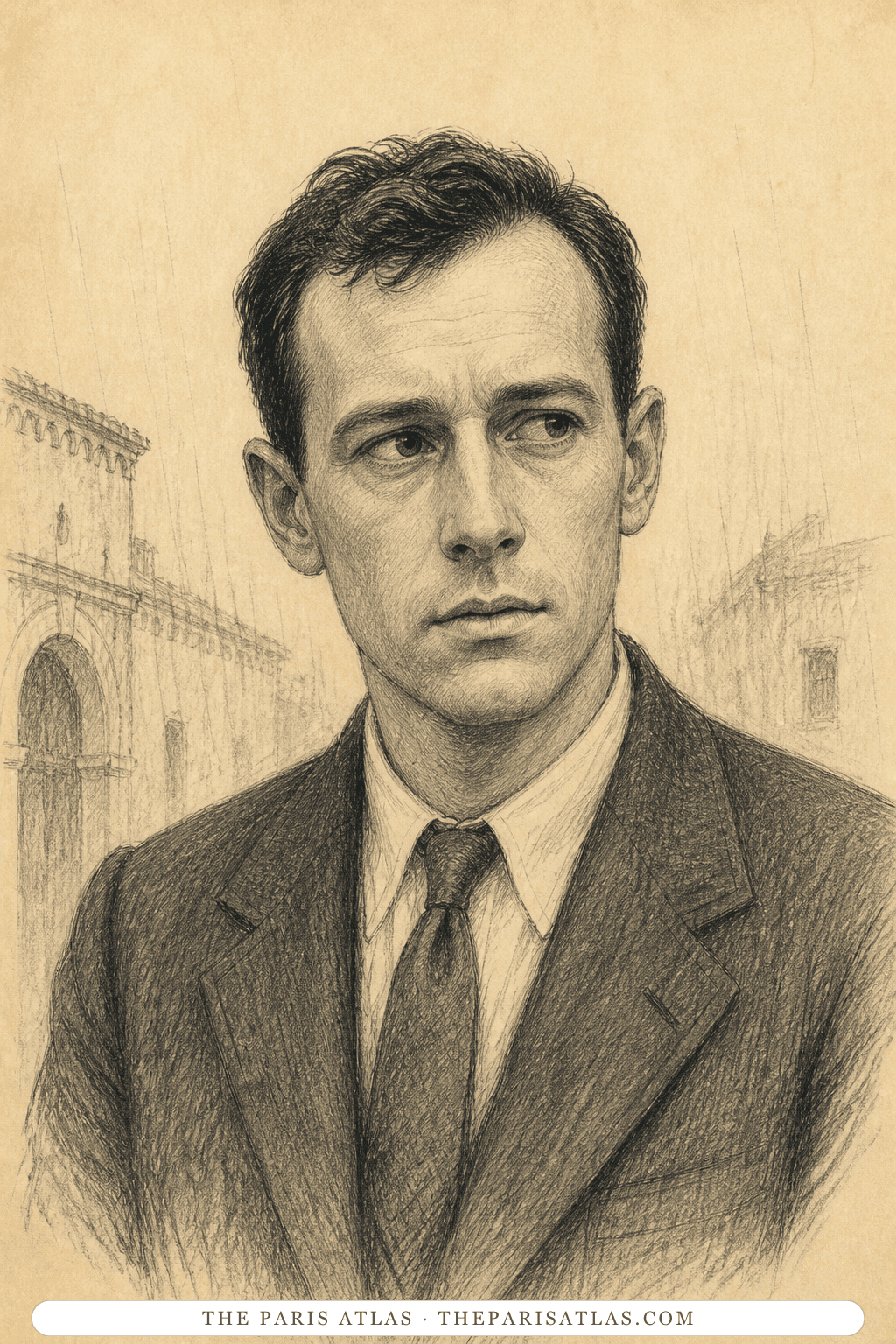
Nelson Dyar
The former New York bank clerk who comes to Tangier without a plan and begins treating danger as proof that he is alive.
To stop feeling anonymous and prove that he can make a choice with permanent consequences.
The book

At a glance
- New York City
- Bank clerk
- Wilcox’s travel agency
- Passivity versus responsible action
Who they are in the book
Spoiler-freeNelson Dyar is an ordinary American man who has spent about ten years working in a New York bank. He leaves that stable job because it feels lifeless, not because he has discovered a better calling. When Jack Wilcox offers him work in Tangier, Dyar hopes that a different city will supply the identity he has failed to build.
Dyar begins as a man other people can direct. Wilcox uses his banking knowledge, Daisy introduces him to expatriate society, Thami guides him through Tangier, and Madame Jouvenon pays him for information. He dislikes feeling passive, but starts measuring actions by the intensity they produce rather than the purpose they serve.
Sex, secrecy, illegal currency, theft, escape, and drugs all give him temporary relief from feeling anonymous. He mistakes each stronger sensation for progress. The central question is whether Tangier changes Dyar or merely gives him opportunities to act on qualities he already possessed.
How Nelson Dyar Is Portrayed
- Deliberately ordinaryThe book says Dyar does not look like an artist, athlete, statesman, laborer, or obvious businessman. That makes him useful and hard to classify.
- Alert but suggestibleHe watches strangers closely, yet often lets the nearest confident person decide what happens next.
- A banker without a vocationTen years at a bank give him knowledge of money without pride in the work or a settled identity.
- Quick to call desire loveHis attachment to Hadija becomes intense before he knows much about her.
- Excited by secrecyWilcox’s deals and Jouvenon’s requests make ordinary actions seem important.
- Suspicion replaces judgmentDuring the escape, Dyar treats his own fear as evidence that Thami intends to betray him.
Dyar steals a briefcase of currency from the deal Wilcox trusted him to complete. He escapes with Thami and initially experiences the crime as liberation. Isolation, money, and drugs then give him reasons to suspect the man helping him.
In the mountain shelter, Dyar drives a nail into the sleeping Thami’s ear with a hammer. The murder gives him the fixed identity he wanted, but only by destroying another person. Action alone was never a moral achievement.
If you like Let It Come Down


If you like Paul Bowles
Explore authors with a similar voice, perspective, and influence.
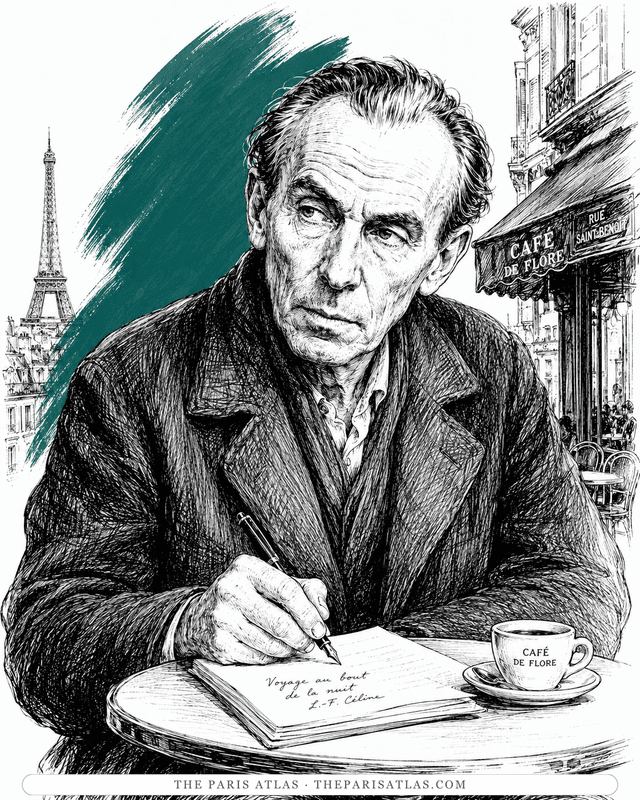
Louis-Ferdinand Céline
The doctor of the Paris slums who wrote the century's blackest, funniest novel — and changed the sound of French prose.
View author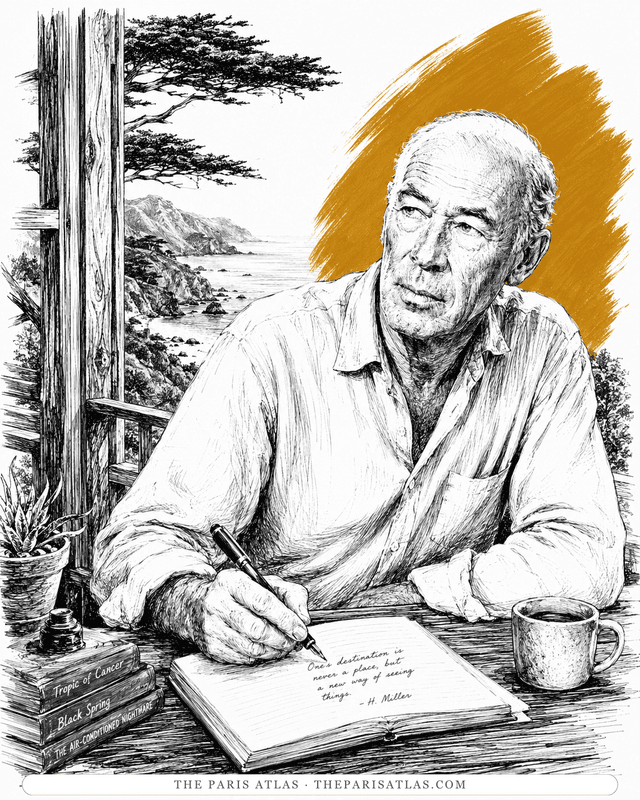
Henry Miller
The Brooklyn dropout who arrived in Paris broke at thirty-eight and wrote the exuberant, banned books that ended American censorship.
View author
Martha Gellhorn
War correspondent who covered the Spanish Civil War, D-Day, and conflicts across five more decades; Hemingway's third wife, 1940–1945.
View author