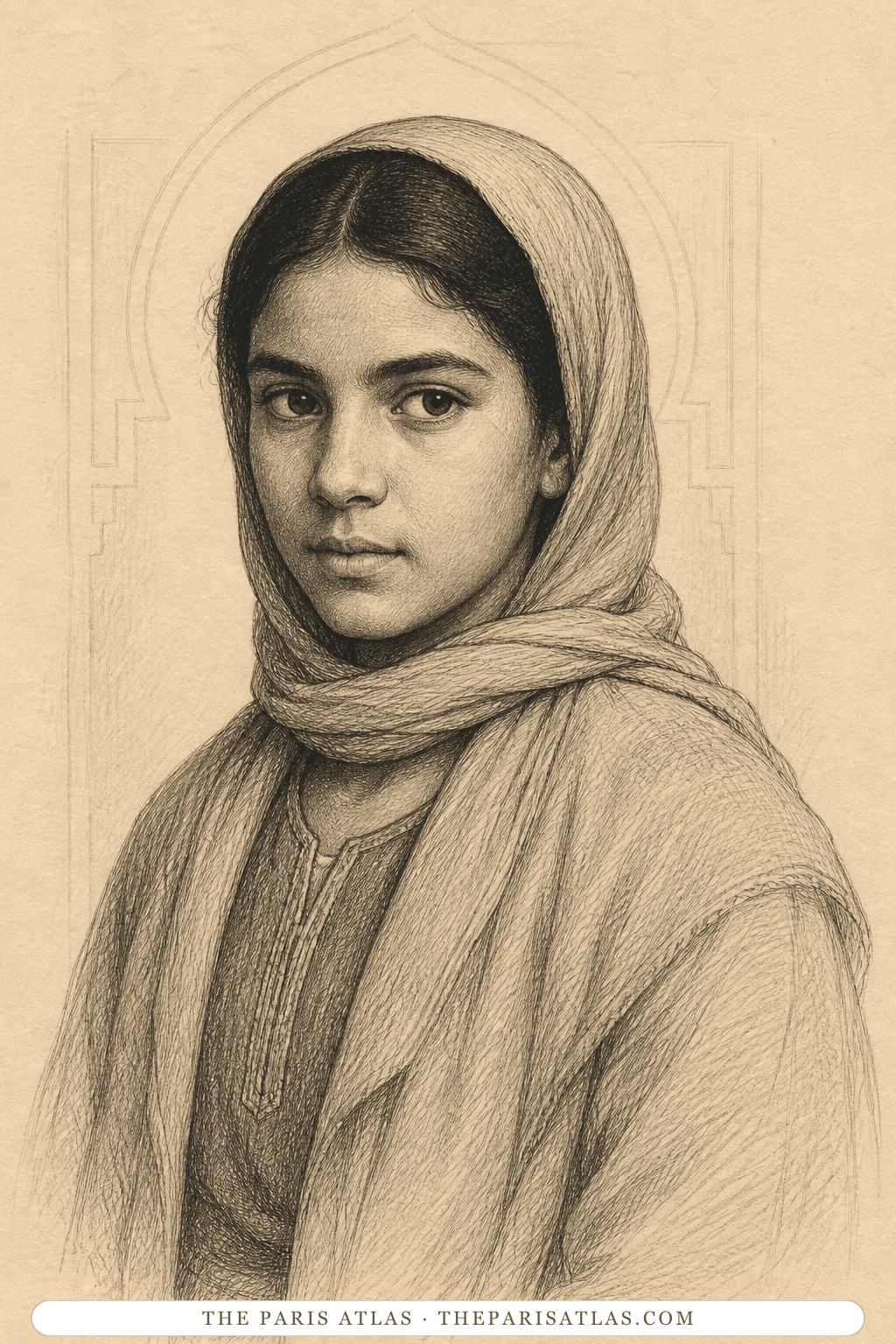
Hadija
A Moroccan teenager whom Dyar and Eunice claim to love, though neither fully understands her needs or plans.
To earn money and preserve room to choose while wealthier foreigners compete to control her future.
The book

At a glance
- Tangier
- About sixteen
- Sex work
- Dyar and Eunice
Who they are in the book
Spoiler-freeHadija is a Moroccan girl of about sixteen who works in prostitution and meets Dyar at the Bar Lucifer. Dyar is attracted to her immediately and soon calls the feeling love. Their limited shared language leaves much of the relationship open to projection.
Eunice Goode also pursues Hadija and offers money, gifts, and the possibility of leaving Tangier. Hadija understands that Eunice’s generosity increases when the relationship becomes difficult. She is vulnerable, but not simply waiting to be rescued by either foreign adult.
Bowles briefly follows Hadija’s thoughts. Those moments show a practical person evaluating risk and payment rather than the mysterious figure Dyar imagines. Her choices take place under severe economic limits.
How Hadija Is Portrayed
- Young but observantHadija notices how Dyar’s desire and Eunice’s possessiveness can become payment or leverage.
- Practical about moneyShe understands the relationships as work even when clients call them romance or rescue.
- Hard for Dyar to readHe treats confusion about her language and motives as proof that she is unknowable.
- Able to refuseShe resists becoming the permanent possession of either foreigner.
- Seen from insideThe narration sometimes gives readers her thoughts rather than Dyar’s guess.
- Between two fantasiesDyar wants proof he can love; Eunice wants intimacy she can secure with wealth.
Dyar’s obsession draws him into Tangier’s bars, but she does not become the lasting relationship he imagines. His attention shifts toward money and escape.
Hadija does not enter the mountain ending. Her disappearance exposes how quickly Dyar’s supposed love can be replaced when theft provides a stronger feeling of agency.
If you like Let It Come Down


If you like Paul Bowles
Explore authors with a similar voice, perspective, and influence.
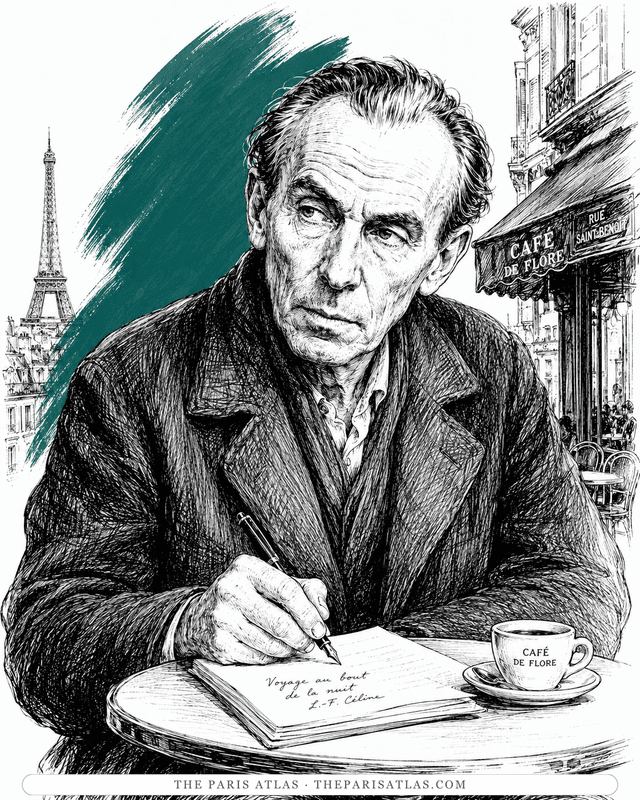
Louis-Ferdinand Céline
The doctor of the Paris slums who wrote the century's blackest, funniest novel — and changed the sound of French prose.
View author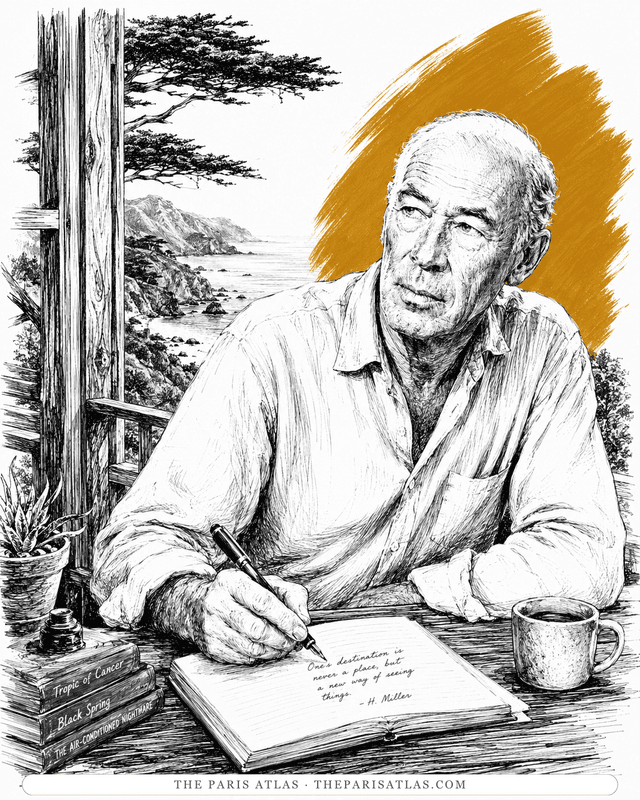
Henry Miller
The Brooklyn dropout who arrived in Paris broke at thirty-eight and wrote the exuberant, banned books that ended American censorship.
View author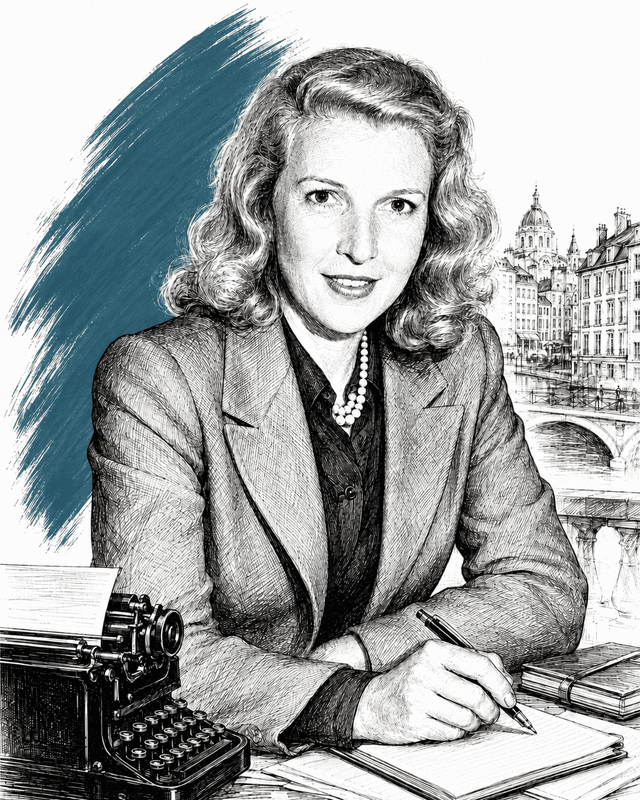
Martha Gellhorn
War correspondent who covered the Spanish Civil War, D-Day, and conflicts across five more decades; Hemingway's third wife, 1940–1945.
View author