Fagin
An old receiver of stolen goods who runs a gang of boy pickpockets near Field Lane. Dickens took his name from a real boy.
He wants to stay safe and make money from the boys' stealing, and he is always afraid that one of them will talk.
The book
Oliver Twist
Charles Dickens
At a glance
- Bob Fagin · A boy at the blacking warehouse where Dickens worked at about twelve. Dickens used his name, not his character.
Who they are in the book
Spoiler-freeFagin is cheerful, hospitable and frightening all at once. He calls everyone "my dear", feeds the boys, and sends them out to steal. He is also the book's antisemitic portrait. Dickens draws him from stage images of the wicked Jew, and the narrator calls him "the Jew" hundreds of times.
How Fagin Is Portrayed
- First seen at the stoveIn Chapter VIII he stands over a pan of sausages with a toasting fork, in a greasy flannel gown, with silk handkerchiefs drying on a rack behind him.
- The box of jewelsIn Chapter IX Oliver wakes to see him taking watches and jewellery out of a hidden box and gloating over them. When Fagin realises he has been watched, he snatches up a bread knife.
- The handkerchief gameIn Chapter IX he plays at being an old gentleman strolling about with a snuff box, a note case and a handkerchief in his pockets. The boys practise taking them without his noticing.
- Number oneIn Chapter XLIII he teaches Noah Claypole that everyone looks after number one, and that in a gang looking after yourself means looking after the others.
- Setting Sikes on NancyIn Chapter XLVII he sits up before daybreak, biting his nails over a cold hearth, then brings Sikes in and lets Noah tell him what Nancy said on the bridge. He knows what Sikes will do.
- The last nightIn Chapter LII he hears his death sentence in a court packed with faces, then sits alone in a condemned cell at Newgate trying to remember what the judge said.
Fagin quotes
I thieved for you when I was a child not half as old as this!
His name was Bob Fagin; and I took the liberty of using his name, long afterwards, in Oliver Twist.
If you like Oliver Twist


If you like Charles Dickens
Explore authors with a similar voice, perspective, and influence.
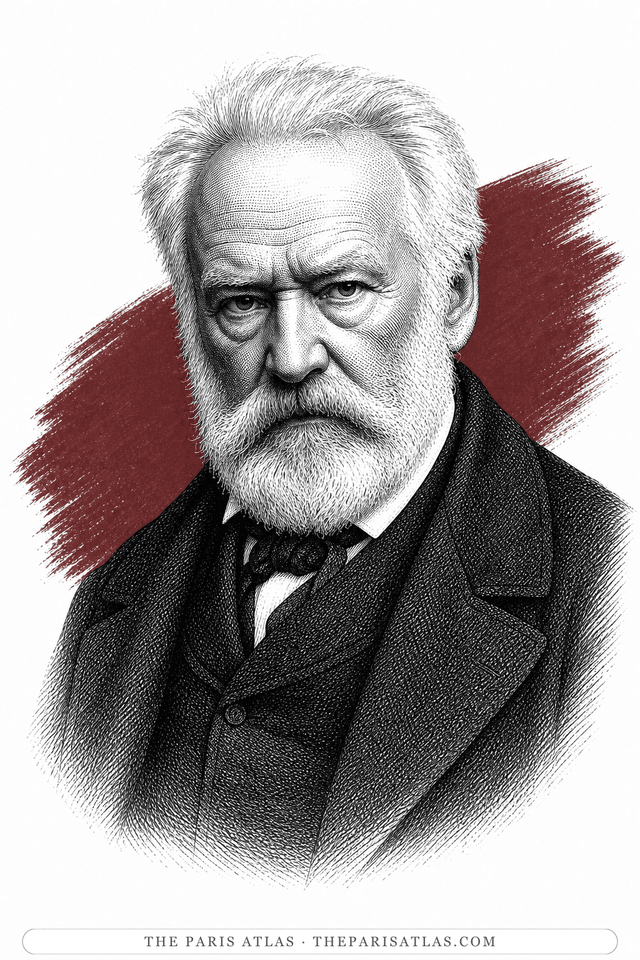
Victor Hugo
Poet, novelist and playwright who spent sixteen years in an apartment on the Place des Vosges that is now his museum, wrote a novel about Notre-Dame that shamed France into repairing the cathedral, spent nineteen years in exile for opposing the emperor Napoleon III, and was buried in the Panthéon — the Paris monument where France buries its most honoured dead — in 1885 after a funeral that brought roughly two million people into the streets of Paris.
View author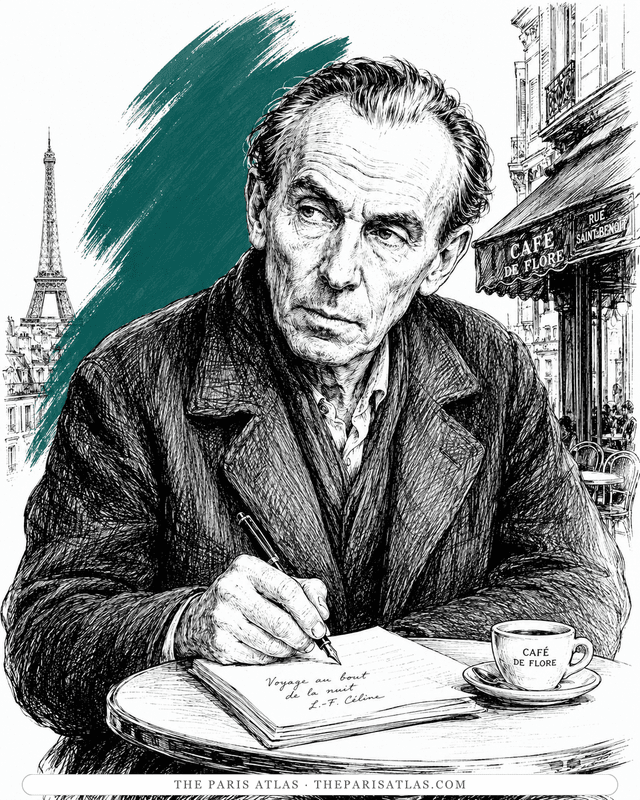
Louis-Ferdinand Céline
The doctor of the Paris slums who wrote the century's blackest, funniest novel — and changed the sound of French prose.
View author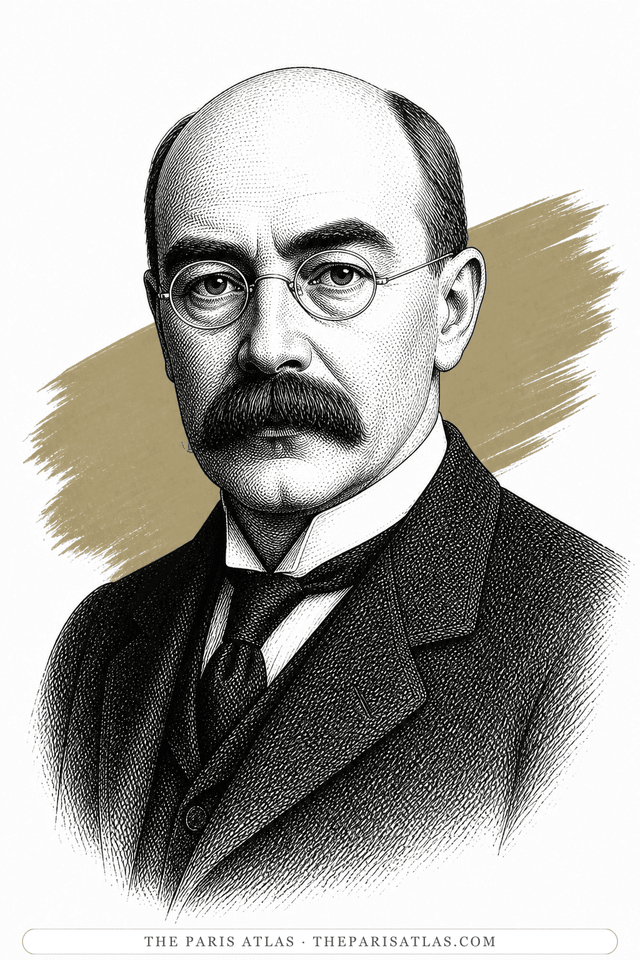
Rudyard Kipling
The English writer of the Jungle Books, Kim and Just So Stories, and in 1907 the first author writing in English to win the Nobel Prize in Literature. His love of France began at twelve, when his father turned him loose alone in the Paris Exhibition of 1878 with two francs a day; it ended with the war-graves work that kept him crossing the Channel after his only son was killed at Loos, and with a small French book, Souvenirs of France, published in Paris in 1933.
View author