Katusha Maslova
The illegitimate daughter of a village woman, raised in Nekhlyudov's aunts' house, seduced by him, and convicted of a murder she did not commit.
At first she wants only to get through the day. Later she wants a life of her own choosing, not Nekhlyudov's penance.
The book
Resurrection
Leo Tolstoy
Who they are in the book
Spoiler-freeKatusha is half servant, half adopted daughter in the house of two old ladies. After Nekhlyudov leaves her pregnant she loses her place, her child and her good name, and she is working in a brothel by the time of the trial.
In prison she drinks and smokes and is hard to reach. On the road to Siberia she becomes herself again.
How Katusha Maslova Is Portrayed
- In the prison corridorIn Book I, Chapter I, she is brought out for trial, a small young woman pale from confinement, with black, sparkling eyes, one with a slight squint.
- LubovIn Book I, Chapter IX, she tells the court her name is Lubov, then admits she used to be called Katerina.
- The sentenceIn Book I, Chapter XXIV, she blushes scarlet at the sentence and cries out that she is not guilty, then sinks onto the bench in tears.
- Save yourself through meIn Book I, Chapter XLVIII, when Nekhlyudov talks of marriage, she tells him he wants to save himself through her in the life to come.
- Among the politicalsIn Book III she walks with the political prisoners, stops drinking, and grows close to Mary Pavlovna.
- Her choiceIn Book III, Chapter XXV, told her sentence has been reduced, she says that where Vladimir Simonson goes, she will follow.
Katusha Maslova quotes
You've got pleasure out of me in this life, and want to save yourself through me in the life to come.
To atone for my sin, not by mere words, but in deed. I have made up my mind to marry you.
What have I to consider? Where Valdemar Simonson goes, there I shall follow.
Maslova goes into exile with Simonson. Nekhlyudov cannot tell whether she loves Simonson or is refusing him for his own sake, and the novel leaves it open.
If you like Resurrection


If you like Leo Tolstoy
Explore authors with a similar voice, perspective, and influence.
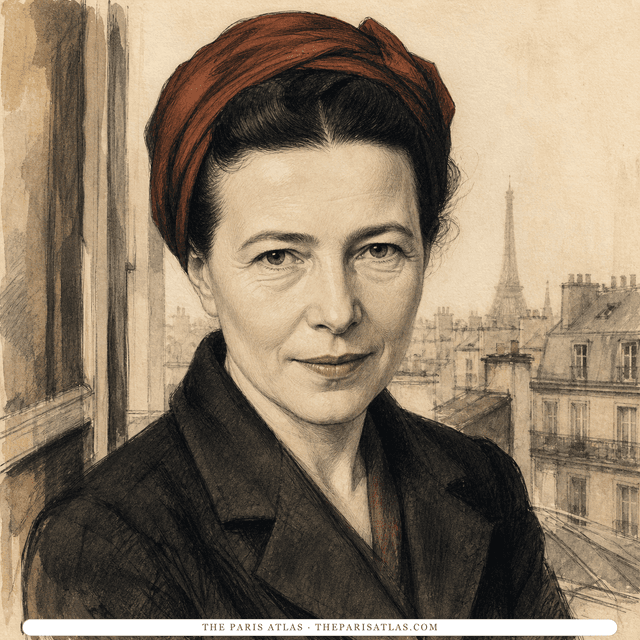
Simone de Beauvoir
French writer and philosopher whose novels, memoirs, and social analysis examined freedom, gender, responsibility, aging, and the material conditions that shape a life.
View author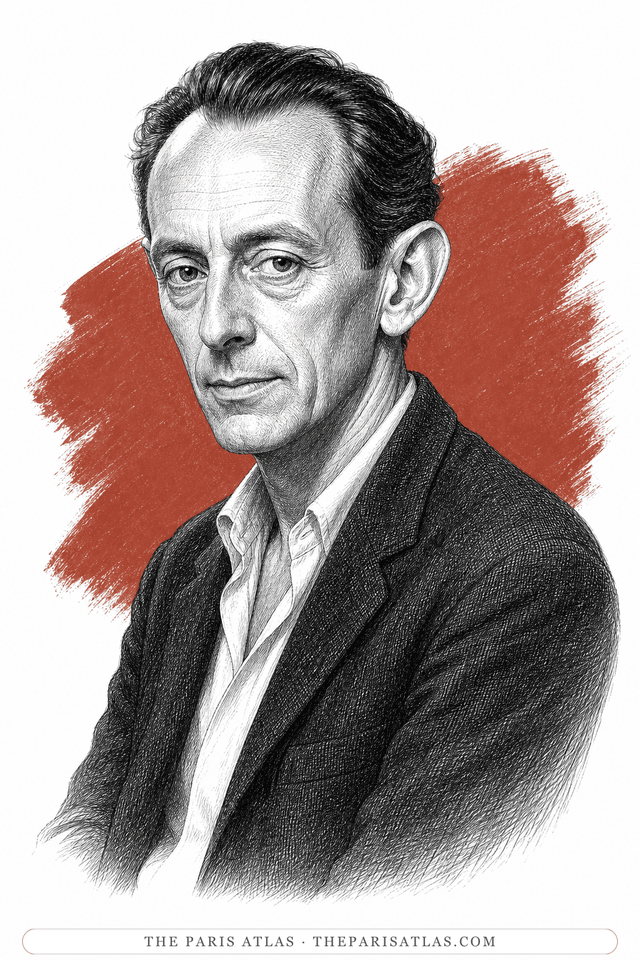
Paul Bowles
American novelist and composer whose expatriate fiction explores dislocation, unstable intimacy, fatalism, and North Africa.
View author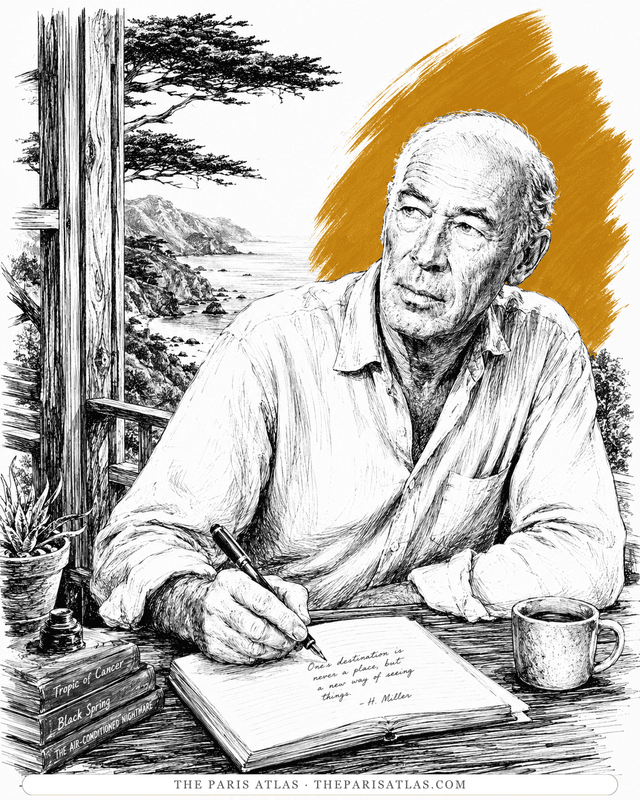
Henry Miller
The Brooklyn dropout who arrived in Paris broke at thirty-eight and wrote the exuberant, banned books that ended American censorship.
View author