Godfrey Cass
The squire's good-natured elder son, secretly and unhappily married, who lets his own daughter be raised by the weaver.
He wants to marry Nancy and be free of Molly, without ever having to own up to his father or to Nancy.
The book
Silas Marner
George Eliot
Who they are in the book
Spoiler-freeGodfrey is weak rather than wicked. He hides his marriage to Molly Farren because he is afraid of his father and in love with Nancy Lammeter. The novel shows how one silence shapes the rest of his life.
How Godfrey Cass Is Portrayed
- Dunstan's priceIn Chapter III his brother Dunstan threatens to tell their father about Molly unless Godfrey finds him money. Godfrey ends up letting Dunstan sell his horse Wildfire.
- Alone with NancyIn Chapter XI, at the New Year's Eve party, he gets a moment alone with Nancy. He asks if she would think better of him if he turned a good fellow.
- One glanceIn Chapter XIII he goes to Silas's cottage and looks just once at the dead woman's face on the pillow. He knows it is his wife and does not say so.
- Everything comes to lightIn Chapter XVIII, after Dunstan's body is found with his gold-handled whip, he tells Nancy that Eppie is his child.
- Making her a ladyIn Chapter XIX he and Nancy offer to take Eppie into their home and bring her up as a lady. Eppie says she cannot feel she has any father but one.
- Debts we can't payIn Chapter XX he tells Nancy there are debts that cannot be paid like money debts. He wanted to pass for childless once, and now he must, against his wish.
Godfrey Cass quotes
I can’t feel as I’ve got any father but one
there’s debts we can’t pay like money debts, by paying extra for the years that have slipped by.
He pays for Eppie's wedding feast at the Rainbow but stays away on the day. He and Nancy have no children, and the novel leaves him to live with what his silence cost.
If you like Silas Marner


If you like George Eliot
Explore authors with a similar voice, perspective, and influence.
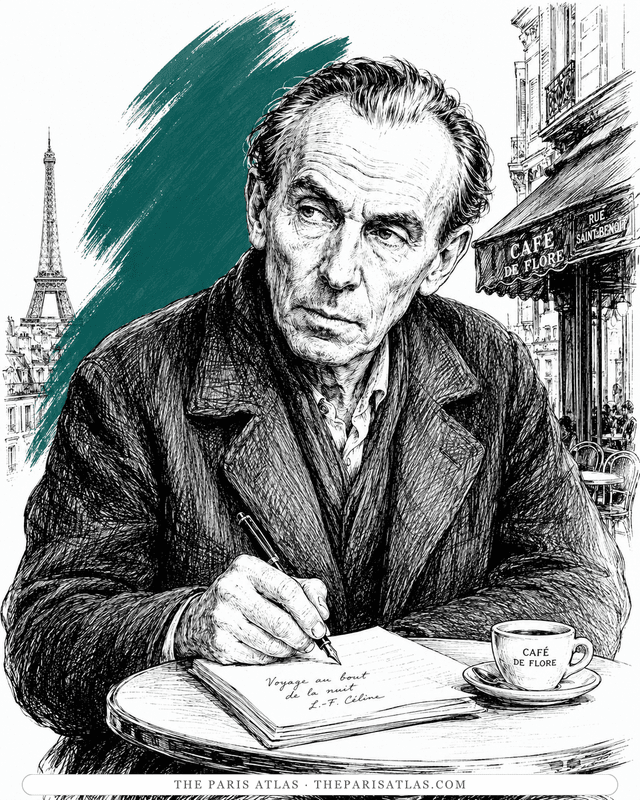
Louis-Ferdinand Céline
The doctor of the Paris slums who wrote the century's blackest, funniest novel — and changed the sound of French prose.
View author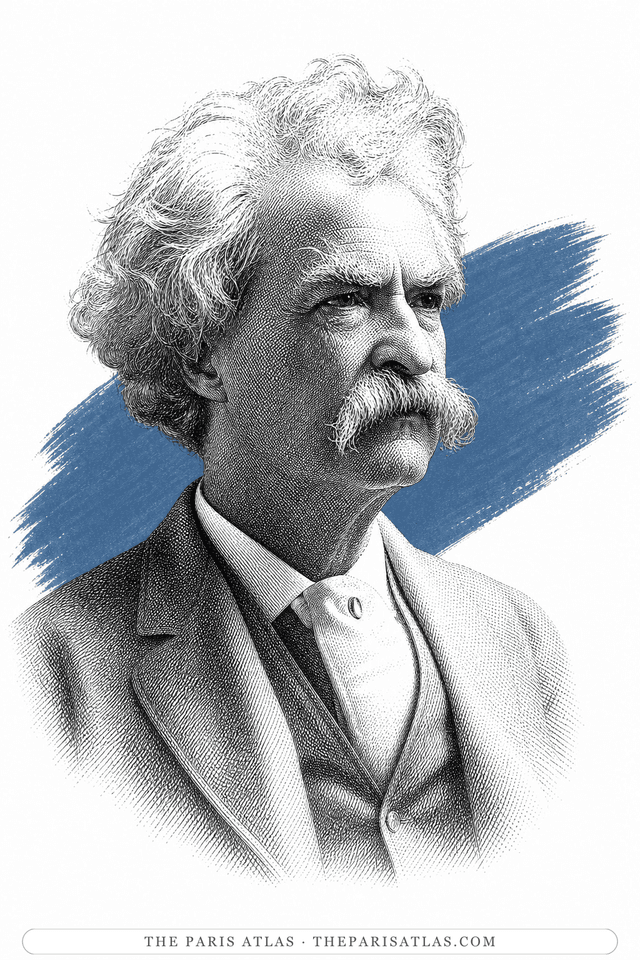
Mark Twain
The Missouri newspaperman who became America's most famous writer, and whose first book made its reputation partly out of Paris: in 1867 he arrived with a shipload of American tourists, renamed his guide Ferguson, watched the high-kicking can-can through his fingers and wrote it all down. He kept coming back — and was living in Paris in the mid-1890s, broke, while finishing the novel he considered his best, Personal Recollections of Joan of Arc.
View author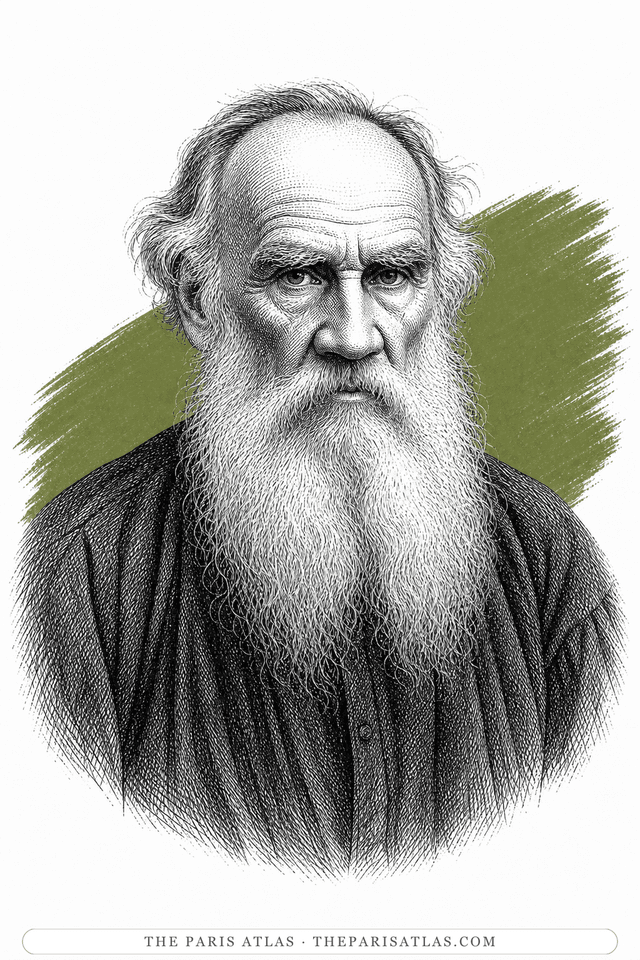
Leo Tolstoy
Russian novelist who wrote War and Peace and Anna Karenina, then renounced the life that produced them. He spent six weeks in Paris in 1857, and on one April morning went to watch a man beheaded in the street — an hour he said destroyed his belief in progress and in the state, and which he was still writing about twenty-two years later.
View author