Associated with · 1914
Symbolism
The Kröller-Müller Museum calls the painting one of the masterpieces of Symbolist art, and describes the dream world of fairies, monsters and spirits that Symbolist painters worked in.
by Odilon Redon
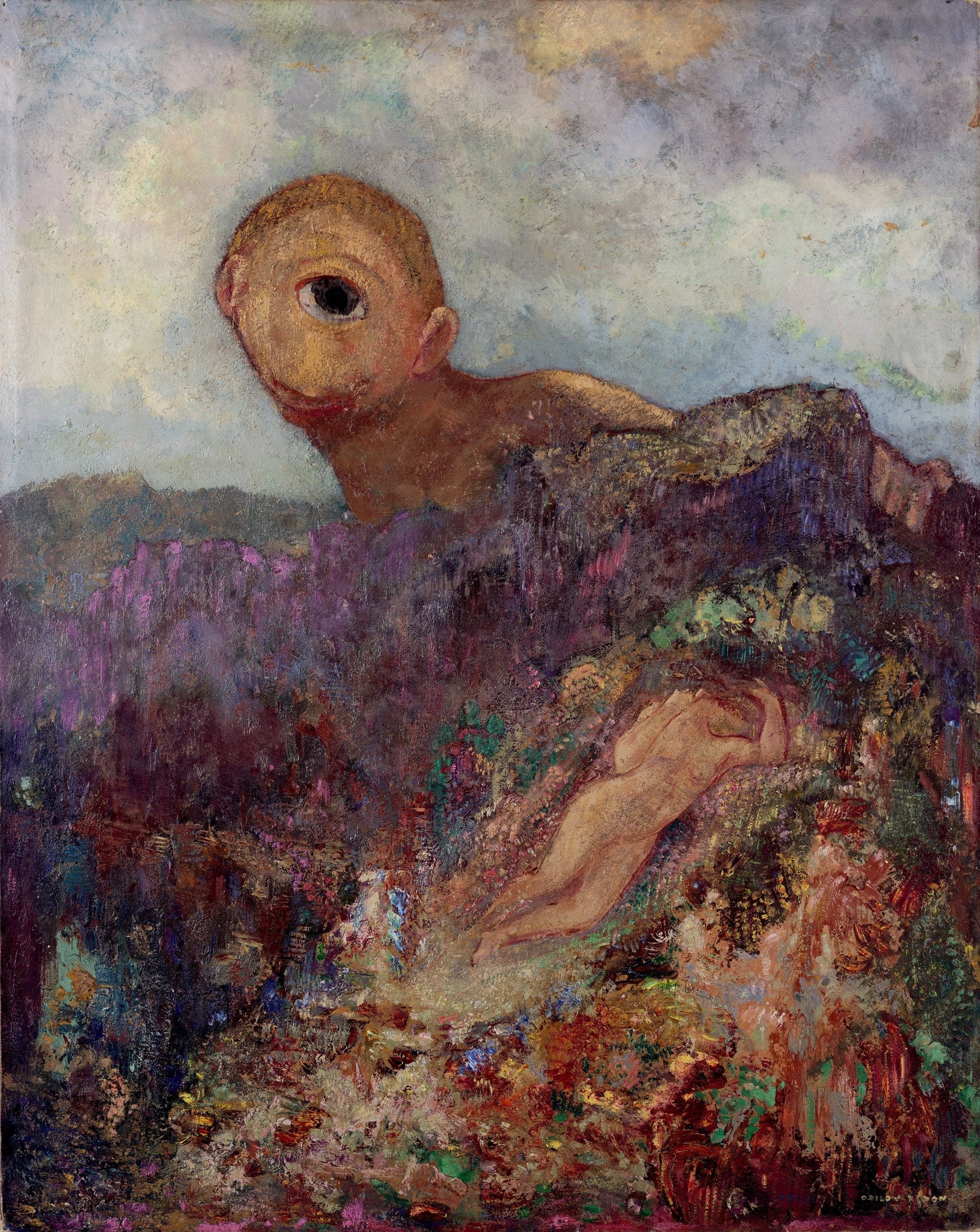
A one-eyed giant rises over a purple ridge and looks down at a woman asleep in a bank of flowers. Odilon Redon painted it in oil around 1914, at the end of a working life that had begun in charcoal and black ink. It hangs at the Kröller-Müller Museum in Otterlo, in the Netherlands.
A bald, pale-gold head with one enormous eye lifts over a dark purple ridge that crosses the middle of the picture. The eye is wide open, a dark iris with the white showing to its left. A small ear sits on the right side of the skull. A broad brown shoulder and upper arm reach out to the right of the head and lie along the top of the ridge, lit gold along their upper edge. The giant looks down and a little to the right.
The lower half of the picture is a slope of flowers built from short strokes of violet, green, crimson, blue and white. A nude woman lies across it, her body pale against all that color, head at the upper right and feet at the lower left, one arm folded above her head. Her face is turned into the crook of that arm, away from the giant, and she does not see him. Redon signed the painting at the lower right.
The paint is handled two ways. In the flower bank it is thick and broken into separate touches; in the sky it is thin and gray-blue, laid on so lightly that the surface underneath shows through.
The Kröller-Müller Museum names them. The giant is Polyphemus, the Cyclops of Greek myth, and the sleeping woman is the sea nymph Galatea. The museum's account is that Polyphemus watches her from behind a mountain, and that his love goes unreturned because Galatea prefers the river god Acis.
Redon paints the watching and nothing else. There is no struggle and no second male figure. The museum treats the giant's enlarged eye as the focal point of the composition and describes the intense color as what makes him threatening.
Single eyes turn up across Redon's work for forty years, in charcoal, in lithography and finally in paint. The Kröller-Müller Museum describes the eye in his pictures as an independent creature, a sign of the human soul and of an inner world that cannot be seen directly.
The Cyclops comes at the far end of that run. Redon spent roughly the first twenty years of his career working almost entirely in black, on charcoal drawings and lithographs he called his noirs. He took up pastel and then oil color in the 1890s. The one-eyed giant is a subject from the black years carried over into full color.
The support is unusual. Redon painted in oil on cardboard, and the cardboard was afterwards mounted on a panel. The picture measures 65.8 by 52.7 centimeters, a little over two feet tall.
The Kröller-Müller Museum in Otterlo holds it as object number KM 103.098 and calls it one of the masterpieces of Symbolist art. The museum stands inside the De Hoge Veluwe National Park, and visitors need a ticket that covers both the park and the museum.
Close reading
Redon splits the picture in two: a giant above the ridge, a sleeping woman in the flowers below. The close views follow the eye first, then the body it belongs to, then the slope she lies on.
1.One eye, set off center
The eye sits in the middle of the face, where the bridge of the nose would be, with no second eye beside it. Redon paints upper and lower lids, the white showing to the left of the dark iris and a faint highlight, so the organ looks anatomical rather than emblematic.
2.A small ordinary ear
The ear is the right size for a person and the head is not. Placed beside the enormous eye, it fixes the scale of the distortion and keeps the giant recognizably human.
3.The body behind the ridge
A broad brown shoulder and upper arm run out to the right of the head and lie along the top of the ridge, lit gold where the light catches them. The rest of the body stays behind the rocks, so the giant is shown from the chest up.
4.The woman asleep in the flowers
She lies across the slope with her head at the upper right and her feet at the lower left, one arm folded above her head, painted in smooth pale strokes against the broken color. Her face is turned into the crook of that arm, away from the giant.
5.The flower bank, built from separate touches
Nothing here resolves into a named plant. Redon lays down short separate strokes of violet, crimson, green and blue, and the paint stands high enough off the surface to catch light.
6.The ridge that divides the picture
A dark purple ridge runs edge to edge and separates the two halves of the story. Above it is thin gray sky and the giant; below it, thick paint and the sleeper.
Kröller-Müller Museum, Otterlo
Houtkampweg 6, 6731 AW Otterlo, Netherlands
The museum is inside De Hoge Veluwe National Park. A combined park-and-museum ticket is required; check the museum’s current display information before travelling.
Plan your visit on the museum’s official website (opens in a new tab)A one-eyed giant looking over a purple ridge at a naked woman asleep in a bank of flowers. The giant's head is bald and pale gold, and his single eye is the largest feature in the picture.
The Kröller-Müller Museum identifies them as Polyphemus, the Cyclops of Greek myth, and the sea nymph Galatea. The museum adds that Galatea prefers the river god Acis, so Polyphemus watches her without being loved back.
The Kröller-Müller Museum in Otterlo, in the Netherlands, where its object number is KM 103.098. The museum stands inside the De Hoge Veluwe National Park and a combined park and museum ticket is needed.
65.8 by 52.7 centimeters, or about 26 by 21 inches. That is a little over two feet tall.
Oil on cardboard, mounted afterwards onto a panel. That is the support the Kröller-Müller Museum records for the picture.
The Kröller-Müller Museum describes the eye in his pictures as an independent creature that stands for the human soul and for an inner world nobody can see directly. Floating eyes, closed eyes and single eyes recur in his charcoals, his lithographs and his late paintings.
Yes. The Kröller-Müller Museum calls it one of the masterpieces of Symbolist art and describes the dream world of fairies, monsters and spirits that Symbolist painters were drawn to.
Associated with · 1914
The Kröller-Müller Museum calls the painting one of the masterpieces of Symbolist art, and describes the dream world of fairies, monsters and spirits that Symbolist painters worked in.
Explore painters from the same movements and circles.
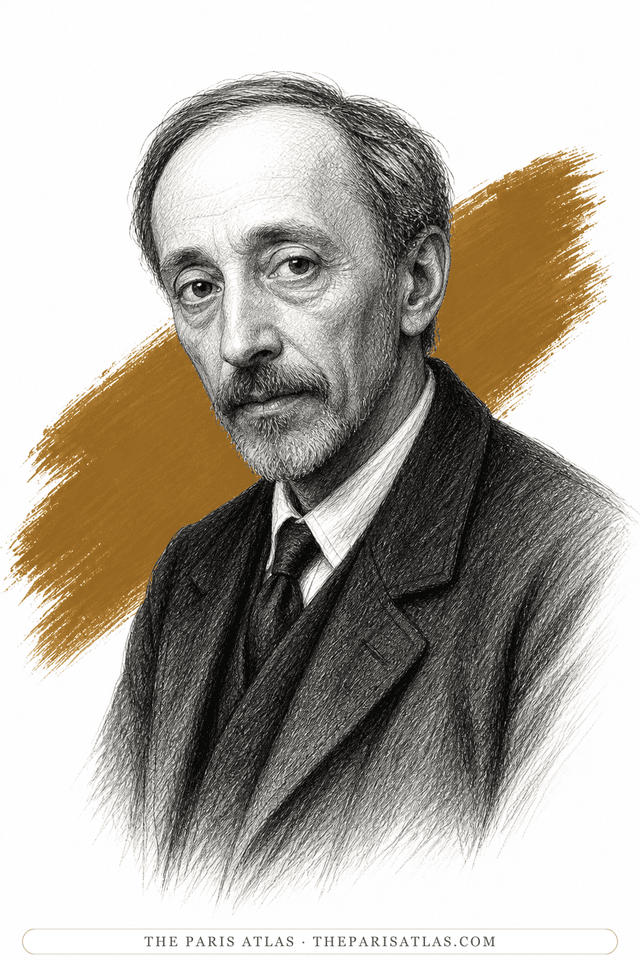
French painter, printmaker and illustrator whose intimate rooms, Paris streets, gardens and bathing figures transformed everyday life into complex fields of color, memory and perception.
View artist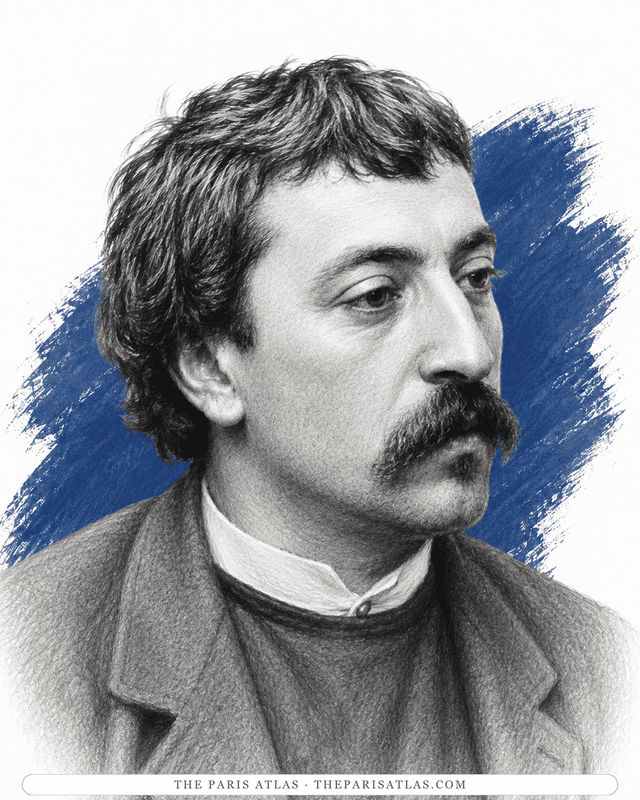
Stockbroker turned painter who came into art through Camille Pissarro, showed with the Impressionists, and left Europe for Polynesia.
View artist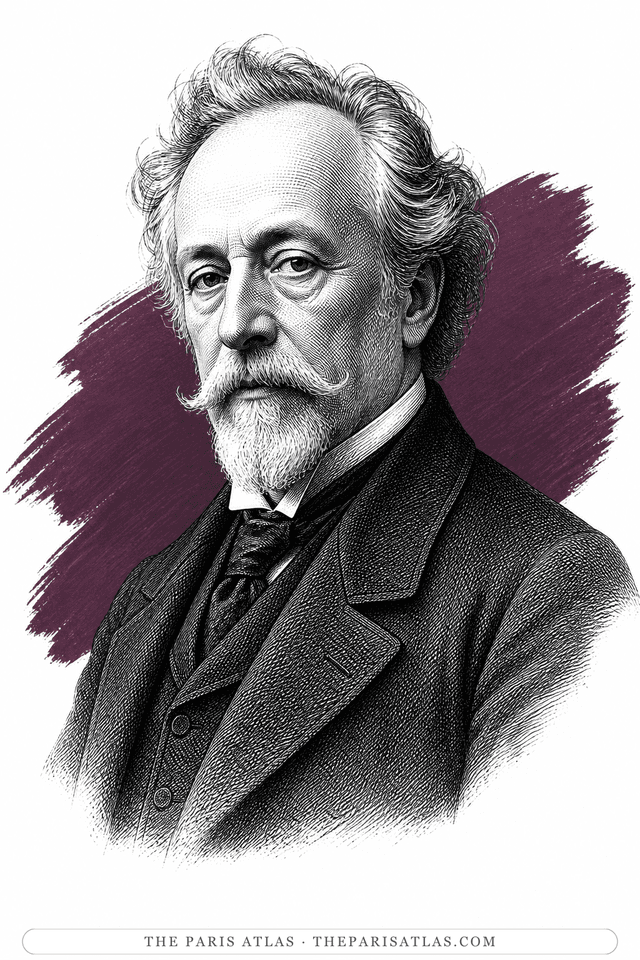
Painter of jewelled myths — Salome, Oedipus, floating severed heads — who lived nearly his whole life in one Paris house, taught Henri Matisse and Georges Rouault at the Beaux-Arts, and turned the house into a museum before he died so the state would have to keep everything.
View artistThe sources below include collection records, catalogues, scholarly research, and primary materials that informed this page. They document The Cyclops, its making, and its place in cultural history.


The holding museum's catalogue entry: date, support, dimensions, object number, and the identification of Polyphemus and Galatea.

The standard modern exhibition catalogue on Redon, covering the move from the black work to color.
Biographical outline: the charcoal and lithograph years and the turn to color in the 1890s.
Exhibition press release summarizing the two halves of Redon's career.
These references provide the documented foundation for this work's history and interpretation. Claim-level citations remain attached to the specific claims they support.
 Explore more resources