
Racky
Norton’s sixteen-year-old son, who uses sexual knowledge and secrets as leverage.
To control the people around him through desire and secrets while escaping any limit imposed by his father or the island community.
The book

At a glance
- Pages from Cold Point
- The Delicate Prey and Other Stories
- Mid-twentieth century
Who they are in the book
Spoiler-freeRacky is sixteen when he lives with his father on a Caribbean island after his mother’s death. He forms sexual relationships with local boys and men and learns which secrets give him influence.
His manipulative behavior does not erase the power difference between a teenager and his father. Norton often presents Racky as the controlling force, a frame readers must question.
Racky can act coercively toward others, including Peter, while still being endangered by a household in which adult boundaries have collapsed.
How Racky Is Portrayed
- Place in the storyHis age remains essential even when Norton describes him as sexually commanding.
- How power worksSecrets provide leverage over adults and local partners.
- What Bowles showsHe acts with agency inside conditions he did not create alone.
- What remains uncertainBecause Norton tells the story, Racky’s own explanation of the relationship remains unavailable.
- The soul of discretionNot a quiet young person, Norton says, but it is almost never possible to know more about what goes on inside his head than he intends one to know.
- He looks the way Charles once didNorton concedes the resemblance to his brother, and it is the only thing about Charles he does not hold against him.
- “Tell Uncle Charley good night for me”He forgot, he says, and goes back upstairs. Norton bids Charles good night for him and reflects that he has never been able to get out of his brother’s presence fast enough.
The father-son relationship crosses into incest. Norton sends Racky to Havana, but the separation does not undo the coercion or assign clear responsibility.
If you like The Delicate Prey and Other Stories


If you like Paul Bowles
Explore authors with a similar voice, perspective, and influence.
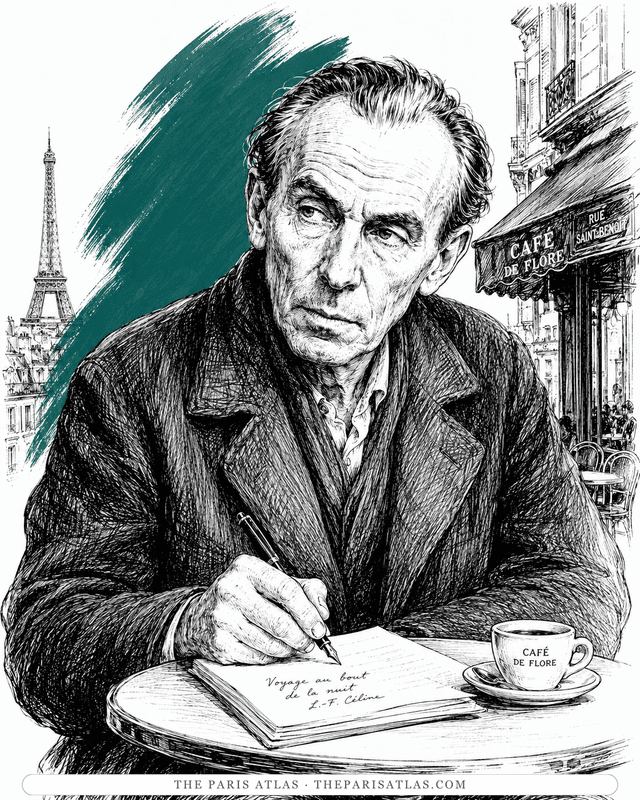
Louis-Ferdinand Céline
The doctor of the Paris slums who wrote the century's blackest, funniest novel — and changed the sound of French prose.
View author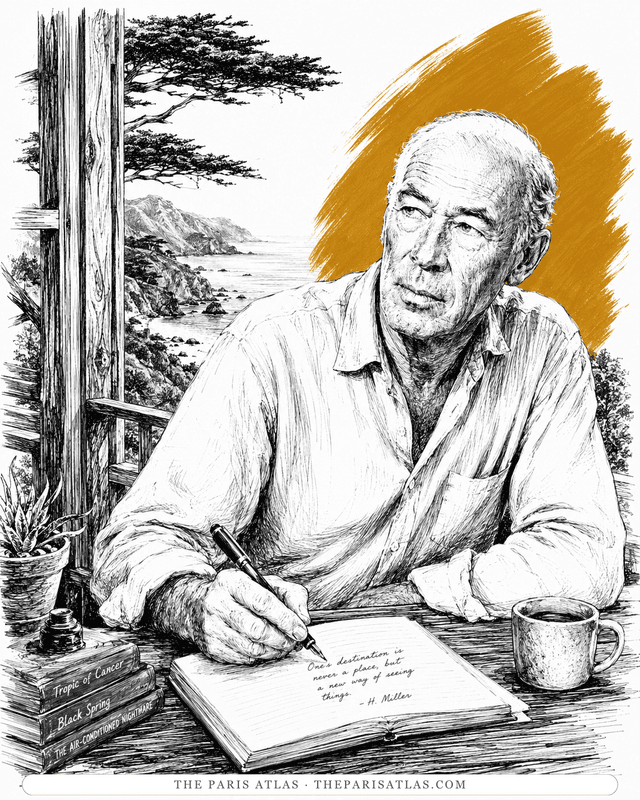
Henry Miller
The Brooklyn dropout who arrived in Paris broke at thirty-eight and wrote the exuberant, banned books that ended American censorship.
View author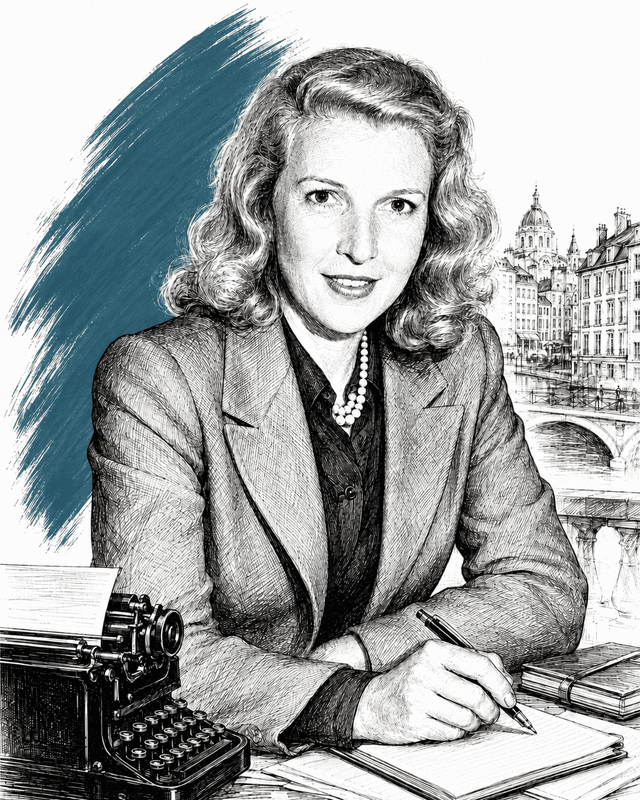
Martha Gellhorn
War correspondent who covered the Spanish Civil War, D-Day, and conflicts across five more decades; Hemingway's third wife, 1940–1945.
View author